



Introduction
For families in Crestview and Tallahassee, the decision to go solar is no longer a one‑time purchase; it’s a long‑term commitment that must align with the evolving dynamics of a household. As children grow, homes expand, and lifestyle habits shift, the energy demands of a residence can change dramatically. This is why solar planning future household needs should be at the forefront of every homeowner’s strategy. By anticipating these changes early, families can avoid costly upgrades, ensure consistent power reliability, and maximize the return on their solar investment over decades.
In this article we will explore how to incorporate projected family growth into solar design, examine the unique considerations of the North Florida climate, and provide actionable steps to build a system that grows with you. Whether you are a first‑time buyer or looking to expand an existing array, understanding the interplay between family size, energy consumption, and solar technology is essential for a sustainable, worry‑free future.
Find us here:
Solar Cost Calculator – Florida Panhandle Only
* Estimate based on $3.25 per watt for solar installation.
* For Tesla Powerwall 3 Batteries, $15,000 for the first battery, $12,000 for each additional battery.
* Other variations and types of Batteries are available.
Understanding Solar Planning Basics
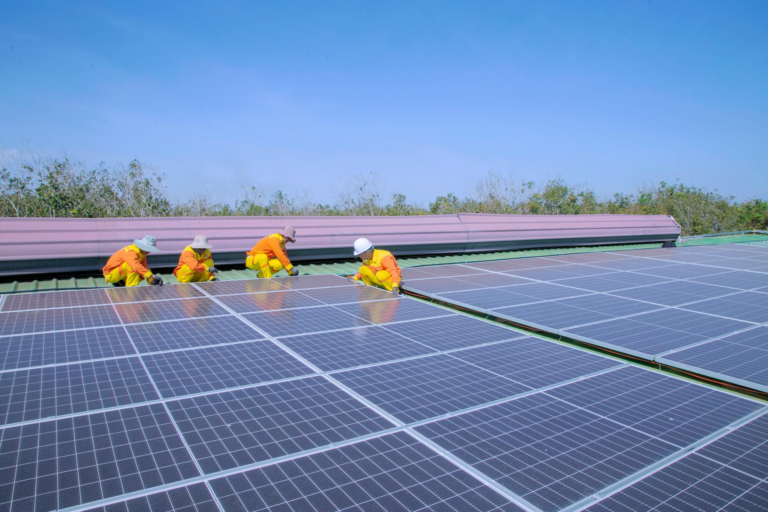
Before diving into future‑focused considerations, it helps to grasp the core components of a residential solar system. At its simplest, a system consists of photovoltaic (PV) panels that convert sunlight into electricity, an inverter that transforms DC power into usable AC power, and a mounting structure that secures the panels on your roof or ground. Optional but increasingly common are battery storage units, which allow you to store excess energy for use during nighttime or cloudy periods.

Key metrics such as system size (measured in kilowatts), panel efficiency, and the orientation of the array dictate how much electricity you can generate on a typical day. In the sunny climate of Tallahassee, where average solar irradiance exceeds 5 kWh/m² per day, a well‑designed system can comfortably meet the baseline needs of a modest household. However, the phrase solar planning future household needs reminds us that today’s baseline may look very different in five or ten years.
Why Family Growth Matters
Family size directly influences energy consumption patterns. A couple without children may rely heavily on a home office and entertainment devices, while a growing family introduces additional loads such as multiple laundry cycles, larger refrigeration units, electric vehicle (EV) charging stations, and increased heating or cooling demand. According to the U.S. Energy Information Administration, average residential electricity use rises by roughly 10‑15 % for each additional household member. Ignoring this trend during the design phase can leave you under‑served, forcing you to purchase supplemental power or retrofit your system later—both of which erode the financial benefits you sought from going solar.
Projecting Energy Needs Over Time
Accurate forecasting involves looking beyond current usage and modeling future scenarios. Start by reviewing your most recent utility bills to establish a baseline. Then, factor in anticipated changes: a new child, a home office conversion, the addition of an EV, or the installation of a pool heater. Each of these can add anywhere from 300 to 1,200 kWh per year. Spreadsheet tools or online solar calculators can help you simulate these increments, allowing you to determine the optimal system size that will comfortably cover both present and upcoming loads. This proactive approach embodies the essence of solar planning future household needs.
- Identify current average monthly kWh usage.
- Estimate additional loads (e.g., EV charger, new appliances).
- Project yearly growth rates based on family plans.
- Use a solar calculator to translate projected kWh into required system size.
Real‑World Scenarios in Crestview & Tallahassee
Both Crestview and Tallahassee experience similar solar potential, yet local building codes, roof styles, and utility rate structures can affect how you design for future household needs. For example, many homes in Crestview feature steep‑pitch metal roofs that are ideal for mounting panels at an optimal tilt, while Tallahassee’s historic neighborhoods may have flat roofs or preservation restrictions that limit placement options. Understanding these nuances early helps you select mounting solutions and inverter capacities that can be expanded later without major structural changes.
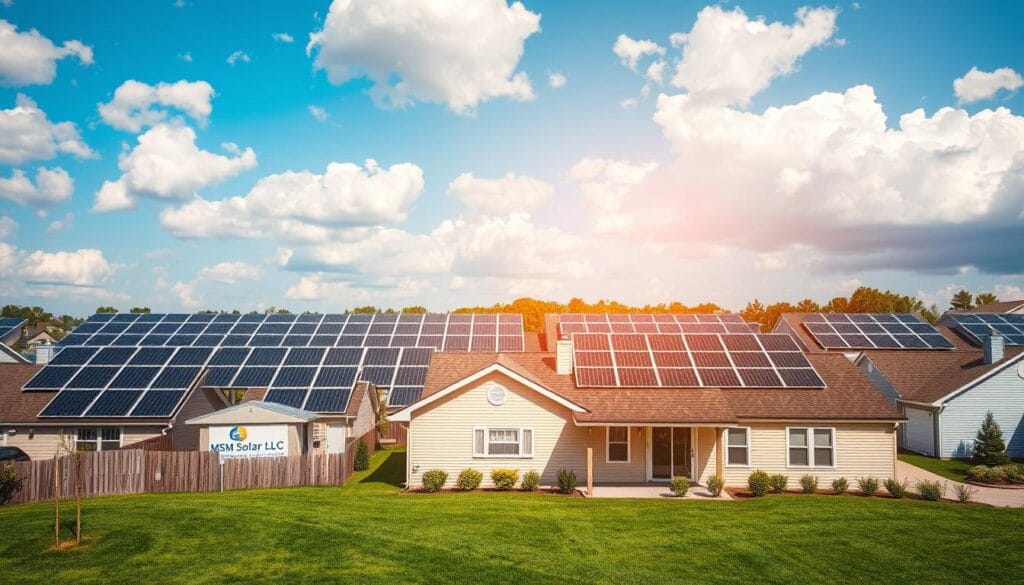
Consider a typical family in Tallahassee that currently consumes 900 kWh per month. With the birth of a second child and the purchase of an EV expected within three years, their projected monthly usage could climb to 1,400 kWh. By installing a 10 kW solar array now—slightly larger than the immediate need—they can accommodate the upcoming increase, avoid the cost of adding panels later, and take advantage of current incentives before they potentially phase out.
| Year | Estimated Monthly kWh Consumption |
|---|---|
| Year 1 (Current) | 900 kWh |
| Year 3 (Second Child) | 1,150 kWh |
| Year 5 (EV Added) | 1,400 kWh |
Designing a Flexible Solar System
Flexibility should be baked into the system architecture from day one. This means selecting components that can be easily scaled, such as micro‑inverters or power optimizers that allow individual panel upgrades without re‑configuring the entire inverter. It also involves planning for additional mounting space—either by leaving room on the roof or by installing a ground‑mount that can accommodate more panels later. By thinking ahead, you ensure that solar planning future household needs is not just a buzzword but a practical reality.
Scalable Panel Arrays
When you choose a solar array, look for a modular design. For instance, a 5 kW system built from 20‑watt panels can be expanded by simply adding more panels to the same string, provided the inverter can handle the increased input. Some inverters have a “headroom” capacity of 20‑30 % above the rated system size, allowing you to oversize the array without immediate upgrades. This approach is especially valuable for families expecting to add high‑energy appliances or electric vehicles in the coming years.
Battery Storage Strategies
Battery technology has advanced rapidly, offering more flexible storage solutions. A modular battery system lets you start with a smaller capacity—perhaps enough to cover evening lighting and a few appliances—and add more modules as your energy demands grow. Pairing a scalable battery with a solar array that already anticipates future load ensures that you won’t face a situation where you have ample generation but insufficient storage, which could force you back onto the grid during peak demand periods.
Financial Planning for Future Household Needs
Investing in a solar system that accommodates future growth can seem daunting, but there are financial strategies to ease the burden. Many Florida utilities and local governments offer tiered incentive programs that reward larger system sizes, while federal tax credits apply to the total installed cost regardless of future expansion potential. By sizing your system a bit larger now, you may qualify for a higher rebate, effectively lowering the net cost per watt and improving the overall return on investment (ROI) over the system’s lifespan.
Financing options such as solar loans or power purchase agreements (PPAs) can also be structured to include future upgrades. Some lenders allow you to refinance the loan once you add more panels or batteries, spreading the additional cost over the remaining term. This flexibility aligns well with the principle of solar planning future household needs, ensuring that financial commitments evolve alongside your family’s energy profile.
Working with Local Installers
Choosing a reputable installer familiar with the Crestview and Tallahassee markets is crucial. Local professionals understand regional permitting processes, typical roof constructions, and utility interconnection requirements. When discussing your plans, be explicit about anticipated household changes—such as adding an EV charger or expanding the home’s square footage. A knowledgeable installer will propose a system layout that leaves room for extra panels, recommend inverters with adequate headroom, and advise on battery configurations that can be expanded without major re‑wiring.

Ask potential installers to provide a detailed future‑growth scenario analysis, including projected savings over a 10‑year horizon based on your family’s expansion plans. This transparency helps you compare quotes not just on upfront price, but on long‑term value—a core tenet of effective solar planning future household needs.
Common Mistakes to Avoid
Even with the best intentions, homeowners sometimes overlook critical factors that can undermine future‑proofing efforts. One frequent error is undersizing the inverter, which can limit the ability to add more panels later without replacing the inverter—a costly undertaking. Another pitfall is neglecting roof condition; installing a system on a roof that will need replacement within a decade can force you to dismantle and reinstall panels, adding unnecessary expense.
Finally, many families fail to account for seasonal variations in energy use. For instance, a growing family may use more air‑conditioning in the hot summer months, while an older household might see higher heating loads. A comprehensive analysis that includes both peak summer and winter demand ensures that your system remains robust throughout the year, honoring the promise of solar planning future household needs.
Conclusion
By thoughtfully integrating projected family growth into every stage of solar design—from system sizing and component selection to financing and installer collaboration—Crestview and Tallahassee homeowners can secure reliable, cost‑effective energy for years to come. Embracing the concept of solar planning future household needs today means fewer upgrades, lower long‑term costs, and a cleaner energy future for the whole family.
