


Introduction
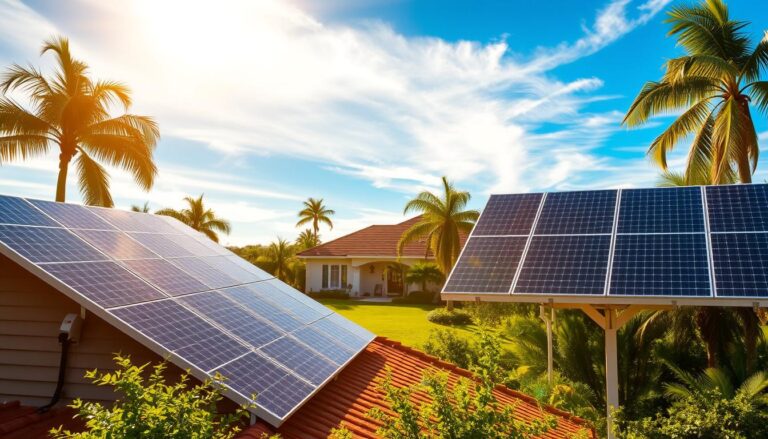
When a homeowner in Pensacola decides to add a solar array, the excitement about lower energy bills often overshadows a critical question: solar array effect on gutters Pensacola. The region’s hot, humid climate, combined with the reflective heat generated by photovoltaic panels, can create a unique set of challenges for gutter systems that were originally designed for traditional roof overhangs. Understanding how heat, airflow, and water runoff interact under an array is essential for protecting the long‑term integrity of your gutters. In this guide we’ll explore the science behind heat buildup, the importance of proper spacing, the role of drip edges, and the clearance standards that keep gutters performing well even when a solar panel roof extension hangs directly above them.
Solar Cost Calculator – Florida Panhandle Only
* Estimate based on $3.25 per watt for solar installation.
* For Tesla Powerwall 3 Batteries, $15,000 for the first battery, $12,000 for each additional battery.
* Other variations and types of Batteries are available.
Understanding the Solar Array Effect on Gutters Pensacola
The phrase solar array effect on gutters Pensacola refers to the combined impact of increased temperature, altered wind patterns, and concentrated water flow that occurs when solar panels are installed over a roof’s eave. Panels absorb sunlight and can raise the temperature of the roof surface by 20–30 °F (11–17 °C) compared to an unshaded roof. This heat radiates downward, warming the gutter material directly beneath the panels. In the humid Gulf Coast environment, that extra heat can accelerate the expansion and contraction cycles of aluminum or steel gutters, potentially leading to warping, cracking, or premature joint failure if the system isn’t designed with adequate clearance and proper flashing.
How Sunlight and Heat Influence Gutter Materials
Most residential gutters are made from aluminum, galvanized steel, copper, or vinyl. Aluminum and steel are popular because they are lightweight and relatively inexpensive, but they also expand more noticeably when exposed to heat. Copper expands less, while vinyl can soften and lose shape under prolonged high temperatures. When a solar array sits just a few inches above the roof edge, the gutter’s underside can receive direct radiant heat, especially during the peak summer months. Over time, this repeated thermal stress can cause the metal to bow outward, creating gaps that let water bypass the gutter and damage the fascia or the underlying roof deck.
Key Factors That Determine Gutter Performance Under Solar Panels
Three primary variables dictate whether your gutters will stay straight and functional under a solar array: the distance between the panels and the gutter, the presence and design of drip edges or flashing, and the overall clearance that allows air to circulate. In Pensacola, where summer temperatures often exceed 90 °F (32 °C) and humidity remains high, each factor plays a heightened role. Ignoring any one of these can magnify the solar array effect on gutters Pensacola and increase the likelihood of warping or water infiltration.
Proper Spacing Between Panels and Gutters
Most solar installers recommend a minimum gap of 12–18 inches between the bottom edge of the panel rack and the roof’s eave line. This spacing serves two purposes: it provides a buffer zone where hot air can rise away from the gutter, and it allows rainwater to flow freely from the panel surface onto the roof without being forced into the gutter at a high velocity. In practice, a wider gap—up to 24 inches—can further reduce heat transfer and lessen the chance that the gutter will experience the concentrated water flow that often leads to warping. When planning your system, always ask the installer to measure the exact distance and to adjust mounting brackets if needed to meet these clearance guidelines.
The Role of Drip Edges and Flashing
Drip edges are thin metal strips that extend past the roof’s edge, directing water away from the fascia and into the gutter. When a solar array is added, the drip edge becomes even more critical because it helps prevent water from running down the side of the panel and striking the gutter at a shallow angle, which can cause water to cling to the gutter wall and increase the likelihood of rust or corrosion. Properly installed flashing around the panel mounting rails also creates a sealed channel that guides runoff away from the gutter’s interior, protecting the metal from constant exposure to moisture and heat. Ensuring that drip edges and flashing are compatible with both the roof material and the solar mounting system is a key step in mitigating the solar array effect on gutters Pensacola.
Clearance Guidelines for Pensacola Climate
Because Pensacola’s climate is both hot and prone to heavy thunderstorms, the clearance standards for gutters under solar panels are stricter than in cooler, drier regions. The American Society of Civil Engineers (ASCE) recommends a minimum of 2 inches of vertical clearance between the bottom of the panel rack and the top of the gutter to allow for thermal expansion space. Additionally, a horizontal clearance of at least 18 inches between the panel’s edge and the gutter’s lip helps maintain airflow and reduces the heat soak effect. Below is a concise reference table that summarizes the recommended clearances for common gutter materials in the Pensacola area.
| Gutter Material | Recommended Minimum Clearance (inches) |
|---|---|
| Aluminum | 12 horizontal / 2 vertical |
| Galvanized Steel | 14 horizontal / 2 vertical |
| Copper | 10 horizontal / 2 vertical |
| Vinyl | 16 horizontal / 2 vertical |
Common Signs of Gutter Damage from Solar Arrays
Even with careful planning, it’s wise to monitor your gutter system regularly for early indicators of trouble. The most common signs that the solar array effect on gutters Pensacola is taking a toll include:
- Visible bowing or sagging along the gutter span directly under the panel.
- Cracks or splits at the seams where the gutter sections join.
- Rust spots or corrosion on metal gutters, especially near the mounting brackets.
- Water streaks or stains on the fascia board that suggest overflow.
- Increased noise during rainstorms as water slams against a warped gutter wall.
Maintenance Practices to Prevent Warping
Proactive maintenance can dramatically reduce the impact of heat and runoff on your gutters. Here are several practices that work well for homeowners dealing with the solar array effect on gutters Pensacola:
- Inspect gutters twice a year—once after the spring rains and once after the summer heat—to catch early signs of distortion.
- Clear debris, leaves, and bird nests promptly to ensure water can flow freely and does not pool, which would increase heat retention.
- Apply a heat‑reflective coating or UV‑resistant paint to aluminum gutters to lessen temperature spikes.
- Install gutter guards designed for high‑flow situations, allowing water to pass while keeping larger debris out.
- Schedule an annual check‑up with your solar installer to verify that panel brackets remain properly aligned and that no new contact points have developed between the panels and the gutter.
Choosing the Right Gutter Material for Solar Compatibility
When selecting a gutter system for a home with a solar array, consider materials that have lower thermal expansion coefficients and better resistance to corrosion. Copper gutters, while more expensive, expand the least with temperature changes and develop a protective patina that resists rust—making them an excellent choice for the Gulf Coast. Galvanized steel offers strength and durability but should be paired with a high‑quality coating to prevent rust under the constant heat exposure. If budget is a primary concern, heavy‑gauge aluminum with a UV‑inhibiting finish can perform adequately, provided the clearances outlined above are strictly observed. Matching the gutter material to the expected solar array effect on gutters Pensacola will save you time, money, and future headaches.
Professional Installation Tips for Pensacola Homeowners
Working with a reputable solar installer who understands local building codes and climate nuances is essential. Ask the installer to:
- Provide a detailed layout drawing that shows the exact distance between panel racks and the gutter line.
- Use mounting hardware that includes built‑in spacers or shims to maintain the recommended clearance.
- Integrate flashing that ties into the existing gutter system without creating gaps.
- Confirm that the roof pitch and panel tilt do not direct water flow directly onto the gutter lip.
- Document the installation with photos, so future maintenance teams can verify that clearances remain intact.
By insisting on these best practices, you ensure that the solar array effect on gutters Pensacola is minimized, protecting both your energy investment and your home’s drainage system.
Frequently Asked Questions
Q: Will my existing gutters need to be replaced after installing solar panels?
A: Not necessarily. If your current gutters meet the clearance guidelines and are made of a material that tolerates heat, they can often remain in place. However, older or damaged gutters may benefit from an upgrade to a more heat‑resistant material.
Q: How often should I check the gap between my panels and gutters?
A: A visual inspection at least twice a year is advisable, especially after severe weather or when the roof experiences significant temperature swings.
Q: Can I install gutter guards if I have a solar array?
A: Yes, but choose guards designed for high‑flow scenarios. Ensure they do not interfere with the drip edge or create additional heat buildup.
Conclusion
Understanding the solar array effect on gutters Pensacola allows homeowners to enjoy clean, renewable energy without sacrificing the health of their drainage system. By maintaining proper spacing, using effective drip edges, adhering to local clearance standards, and selecting the right gutter material, you can prevent warping and extend the life of both your solar investment and your home’s exterior. Regular inspections and professional installation practices complete the picture, ensuring that your gutters stay straight, functional, and ready for the next rainy season.
