

Understanding Solar Harsh Condition Durability
When homeowners in the Florida Panhandle consider installing solar energy systems, the first question that often arises is whether the panels can survive the region’s salty breezes, high humidity, and intense storms. The answer lies in the concept of solar harsh condition durability, a term that encapsulates the engineering, testing, and material choices that allow photovoltaic (PV) modules to keep generating power even when exposed to some of the toughest coastal environments on the planet. In this article, we’ll explore the science behind that durability, the standards that certify it, and the practical steps you can take to ensure your investment remains productive for decades.
Find us here:
Solar Cost Calculator – Florida Panhandle Only
* Estimate based on $3.25 per watt for solar installation.
* For Tesla Powerwall 3 Batteries, $15,000 for the first battery, $12,000 for each additional battery.
* Other variations and types of Batteries are available.
The Core Construction of Modern Solar Panels
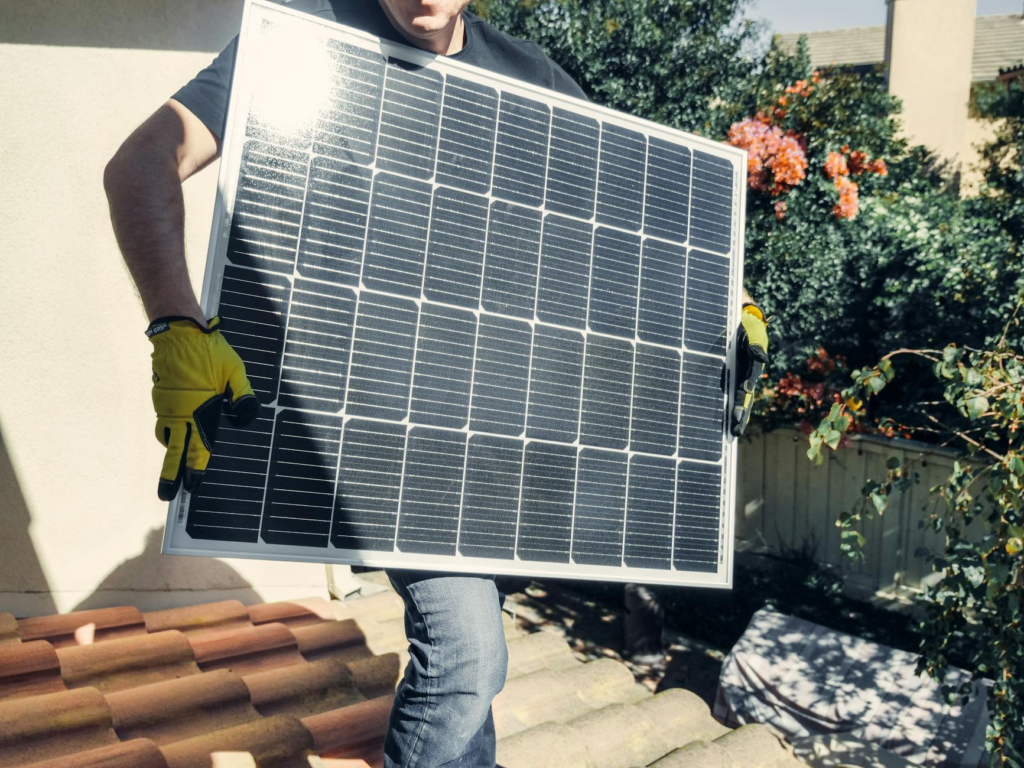
Modern solar panels are far more than a collection of glass and silicon. Each module typically consists of a tempered glass front, an encapsulant layer of ethylene‑vinyl acetate (EVA) or polyolefin, the silicon cells themselves, a backsheet made of polymer composites, and an aluminum frame that provides structural rigidity. These components are selected not only for efficiency but also for their ability to resist moisture ingress, UV degradation, and mechanical stress. The combination of these layers creates a sealed envelope that shields the delicate cells from the corrosive effects of salt spray—a key factor in achieving high solar harsh condition durability scores.
Materials That Resist Corrosion and UV Damage
The front glass is usually low‑iron tempered glass, which offers both high light transmittance and exceptional strength. Tempered glass can withstand wind‑driven debris impacts that are common during hurricanes. The backsheet, often composed of a polyvinyl fluoride (PVF) laminate, provides a barrier against moisture and salt. Meanwhile, the aluminum frame is typically anodized or coated with a marine‑grade paint to prevent oxidation. These material choices directly contribute to the panel’s ability to maintain performance despite harsh conditions, ensuring that the photovoltaic cells stay protected for the lifetime of the system.
How Humidity and Salt Influence Performance
In coastal regions like the Florida Panhandle, humidity levels frequently exceed 80 % and sea‑salt particles constantly settle on surfaces. When moisture penetrates the panel’s seal, it can cause delamination, corrosion of electrical connections, and potential-induced degradation (PID). Salt, being highly conductive, can accelerate these processes if it reaches the cell interconnections. However, manufacturers mitigate these risks by using corrosion‑resistant solder alloys, silver‑based busbars, and robust edge sealants. These design strategies are critical for achieving the level of solar harsh condition durability that homeowners demand.
Industry Testing Standards That Verify Durability
Before a solar panel can be marketed as suitable for harsh environments, it must pass a series of rigorous tests defined by international standards such as IEC 61215, IEC 61730, and UL 1703. These tests simulate years of exposure in a condensed timeframe. For example, the “salt fog” test subjects panels to a continuous mist of sodium chloride, replicating the corrosive impact of ocean air. The “thermal cycling” test repeatedly swings the panel’s temperature between –40 °C and +85 °C, mimicking day‑night temperature swings that can cause material fatigue. Successful completion of these assessments demonstrates that the panel possesses the necessary solar harsh condition durability to thrive in places like the Gulf Coast.
Real‑World Performance Data from Coastal Installations
Field studies across the southeastern United States have shown that panels engineered for high durability retain over 95 % of their original output after ten years, even when installed within a few miles of the shoreline. In one longitudinal study conducted by a leading utility, modules exposed to a salt‑rich environment exhibited an average degradation rate of just 0.3 % per year, compared to the industry‑wide average of 0.5–0.8 % per year. These numbers illustrate that the engineered resilience of modern PV technology translates directly into long‑term energy production and financial savings for homeowners who prioritize solar harsh condition durability.
Benefits Specific to Florida Panhandle Homeowners
For residents of the Florida Panhandle, the combination of abundant sunshine and high electricity rates makes solar an attractive investment. The added advantage of panels designed for harsh condition durability means fewer service calls, lower maintenance costs, and a higher return on investment. Moreover, because the panels can endure the region’s frequent tropical storms, homeowners can feel confident that their system will continue to generate power even after a severe weather event, reducing reliance on the grid during outages.
Maintenance Practices That Preserve Longevity
Even the most durable solar panels benefit from regular, low‑effort maintenance. Simple actions such as rinsing the surface with fresh water after a storm can remove salt deposits that might otherwise accumulate in the frame joints. Inspecting the mounting hardware for signs of corrosion and tightening any loose bolts ensures that the system remains securely anchored against high winds. Additionally, scheduling an annual visual inspection by a qualified solar technician can catch early signs of seal degradation, allowing for timely repairs that protect the panel’s overall performance.
Debunking Common Myths About Coastal Solar Installations
- Myth: Salt spray will instantly corrode solar panels.
Fact: Modern panels use corrosion‑resistant materials and undergo salt‑fog testing to ensure they can withstand years of exposure. - Myth: High humidity reduces panel efficiency permanently.
Fact: Properly sealed modules prevent moisture ingress, and any temporary efficiency dip during rain quickly recovers once the panels dry. - Myth: Coastal installations require expensive, specialty equipment.
Fact: While some mounting hardware may be rated for higher wind loads, the panels themselves are built to standard durability specifications that apply nationwide.
Selecting a Qualified Installer for Harsh Environments
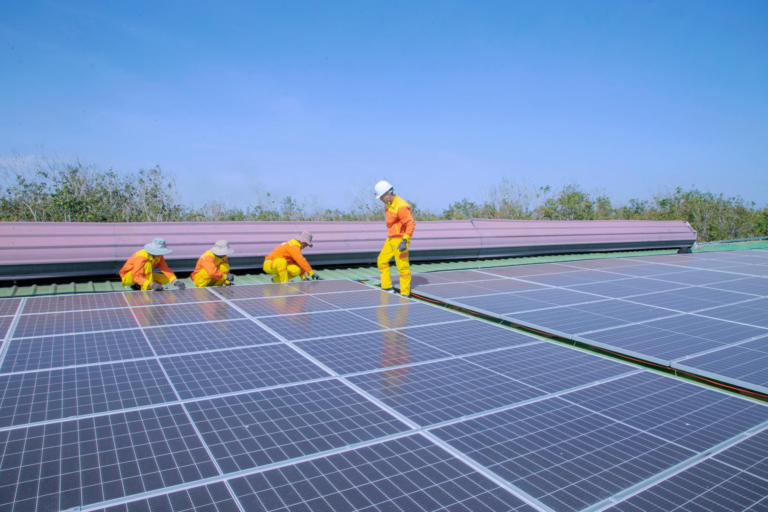
The installer you choose plays a pivotal role in delivering the promised durability of your solar system. Look for contractors who hold certifications such as NABCEP (North American Board of Certified Energy Practitioners) and who demonstrate experience with coastal projects. Ask for documentation of the specific panel models they recommend, and verify that those models have passed the salt‑fog and thermal cycling tests mentioned earlier. A knowledgeable installer will also ensure that mounting systems are anchored to structural members capable of resisting the high wind speeds typical of the Panhandle.
| Panel Feature | Standard Coastal Rating | Enhanced Durability Rating |
|---|---|---|
| Front Glass Tempered | 3 mm | 4 mm (high‑impact) |
| Backsheet Material | PVF | PVF + UV‑stabilizer |
| Frame Coating | Standard Paint | Marine‑grade Anodized |
| Encapsulant | EVA | Polyolefin (better moisture resistance) |
Future Innovations Enhancing Solar Harsh Condition Durability
Research and development in the solar industry continue to push the boundaries of durability. Emerging technologies such as bifacial modules with anti‑reflective, self‑cleaning coatings reduce the need for manual cleaning, while new encapsulants based on silicone offer superior resistance to temperature extremes and moisture. Additionally, integrated micro‑inverters that are sealed within the panel frame reduce the number of exposed electrical connections, further improving the system’s ability to withstand salty air. These advances promise to raise the baseline of solar harsh condition durability even higher, making solar a more reliable energy source for coastal communities worldwide.
In conclusion, solar panels engineered for harsh condition durability are well‑suited to the Florida Panhandle’s coastal climate. By understanding the materials, standards, and maintenance practices that protect these systems, homeowners can make informed decisions that ensure long‑term performance and financial benefits.
