



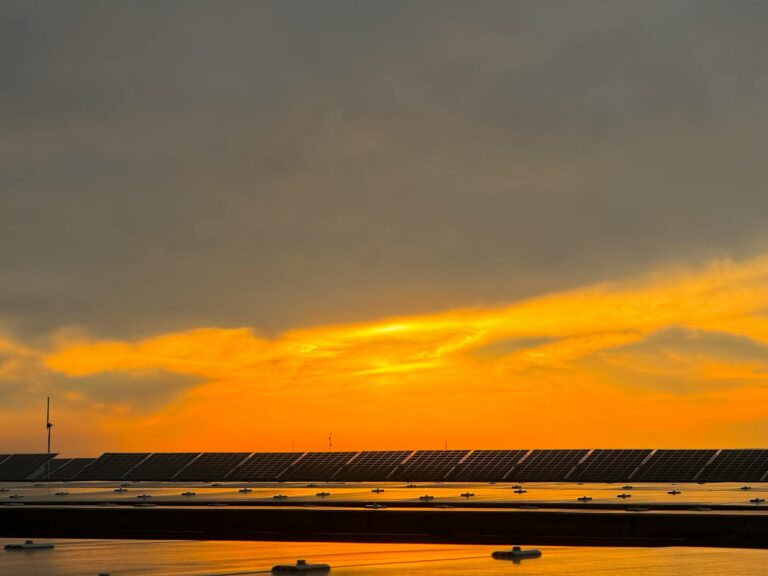
When the Gulf Coast experiences back‑to‑back heat waves, homeowners with rooftop solar often wonder whether the scorching temperatures are hurting their system’s output. The phenomenon known as solar heat wave performance describes how photovoltaic (PV) modules behave when ambient temperatures climb well above the typical 70‑80 °F range. In Pensacola and Tallahassee, summer days regularly exceed 95 °F, and heat waves can push temperatures past 105 °F for several days. These conditions raise the operating temperature of solar panels, which can lead to a measurable dip in efficiency. Understanding the science behind this effect, reviewing real‑world data, and applying proven mitigation techniques can help solar owners maintain strong energy production even during the hottest weeks of the year.
Solar Cost Calculator – Florida Panhandle Only
* Estimate based on $3.25 per watt for solar installation.
* For Tesla Powerwall 3 Batteries, $15,000 for the first battery, $12,000 for each additional battery.
* Other variations and types of Batteries are available.
Understanding Solar Heat Wave Performance
The term solar heat wave performance combines two key concepts: the amount of sunlight a panel receives and the temperature at which the panel operates. While more sunlight generally means more electricity, higher temperatures cause the semiconductor material inside the cells to become less efficient at converting photons into electrons. This relationship is expressed as the temperature coefficient, typically a loss of 0.3‑0.5 % of power output for every degree Celsius above the standard test condition of 25 °C (77 °F). In practice, a panel rated at 300 W might produce only 260 W on a 40 °C (104 °F) day if the temperature coefficient is –0.4 %/°C. Recognizing this trade‑off is the first step in assessing how a heat wave will impact overall system yield.
How Temperature Affects PV Cells
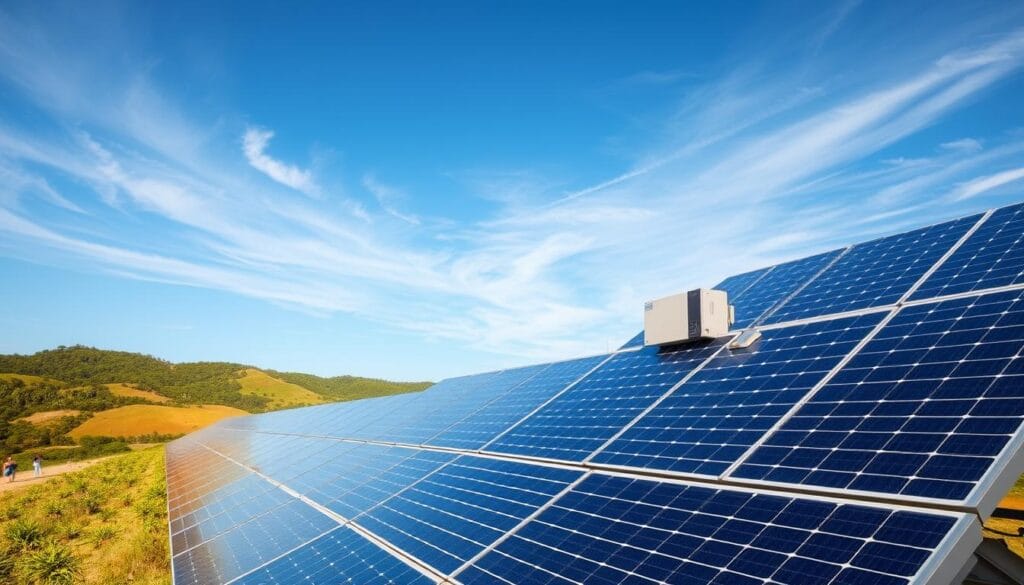
Photovoltaic cells are made of semiconductor materials such as silicon, which have a bandgap that narrows as temperature rises. A narrower bandgap means fewer photons have enough energy to free electrons, resulting in lower current generation. Additionally, higher temperatures increase internal resistance, further reducing voltage. The combined effect is a drop in the panel’s power curve. For most crystalline‑silicon modules, the voltage component suffers more than current, so the overall power loss is dominated by reduced voltage. This is why manufacturers provide a temperature coefficient for power (often labeled Pmax), allowing installers and owners to estimate performance under hot conditions.
Common Myths About Heat and Solar
Many homeowners assume that more sun automatically equals higher output, but during an extreme heat wave the opposite can happen. Another myth is that “cooler” panels are always better, ignoring the fact that shading or snow can cut energy production dramatically. Some also believe that panels will overheat and melt—modern modules are designed to operate safely up to 85 °C (185 °F) and include built‑in thermal protection. Understanding the reality of solar heat wave performance helps debunk these myths and guides realistic expectations for energy generation during prolonged heat events.
Real‑World Data from Pensacola & Tallahassee
Utility‑scale and residential installations across the Florida Panhandle have recorded detailed performance metrics during the summer of 2024, when a series of heat waves pushed daily highs above 100 °F for over two weeks. The data shows a consistent pattern: as ambient temperature increased, system output dropped by roughly 0.4 % per degree Celsius above 25 °C. For example, a 5 kW residential system in Pensacola generated an average of 22 kWh per day at 85 °F, but fell to 19 kWh per day when temperatures climbed to 105 °F. In Tallahassee, the same temperature rise resulted in a 12 % reduction in daily energy, illustrating how regional microclimates can affect the magnitude of the loss.
| Ambient Temperature (°F) | Average Daily Output (kWh) | Efficiency Loss % |
|---|---|---|
| 85 | 22.0 | 0 |
| 95 | 20.5 | 6.8 |
| 105 | 19.0 | 13.6 |
The simple table above captures the core relationship between temperature and output for a typical 5 kW system. Notice how each 10 °F increase corresponds to roughly a 6‑7 % efficiency loss, aligning closely with the manufacturer’s temperature coefficient. This real‑world evidence reinforces the importance of designing for heat resilience, especially in regions like Pensacola and Tallahassee where extended heat waves are becoming more frequent.
Design Strategies to Mitigate Heat Effects
Optimizing the Mounting Angle
Tilting panels at a steeper angle can improve airflow beneath the module, allowing heat to dissipate more quickly. In the Gulf Coast, a tilt of 20‑30 degrees not only maximizes winter solar gain but also reduces operating temperature during summer heat waves. By increasing the angle, the panel’s surface area exposed to direct sun is slightly reduced, but the net gain in efficiency from lower temperature often outweighs the marginal loss in irradiance.
Enhanced Ventilation & Airflow
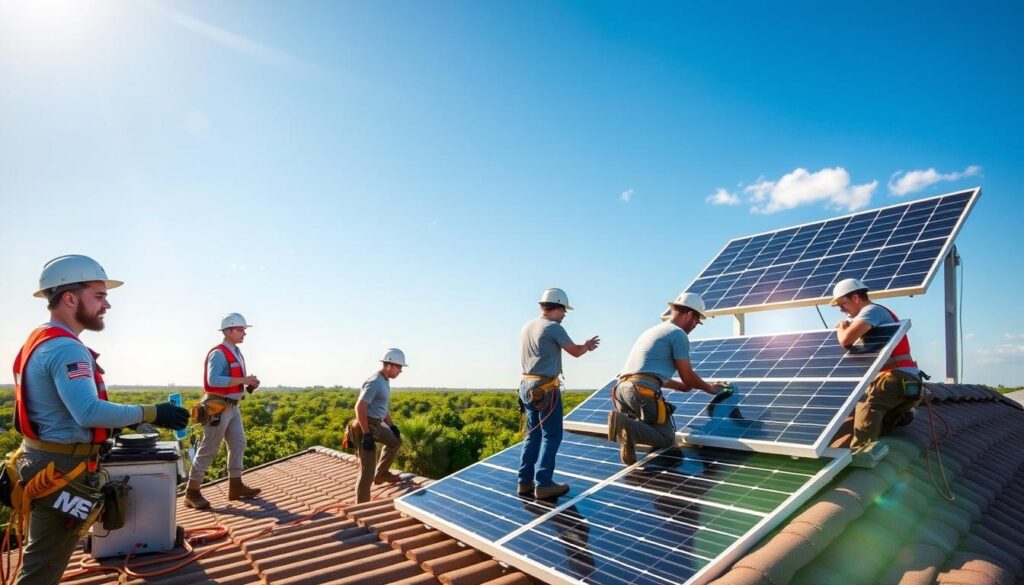
Installing a racking system that provides a 1‑inch gap between the panel backsheet and the roof surface can cut module temperature by up to 15 °F. Some installers add passive vents or even active fans in commercial installations to force cool air under the panels. For residential roofs, ensuring that the attic space is well‑ventilated and that there is no insulation directly beneath the solar array can also help keep the panels cooler.
Choosing High‑Temperature Rated Modules
Manufacturers now offer PV modules with lower temperature coefficients, sometimes as low as –0.25 %/°C. Selecting these “heat‑tolerant” panels can reduce the impact of a heat wave on overall production. While the upfront cost may be slightly higher, the long‑term benefit of maintaining higher output during the hottest months can improve the system’s return on investment, especially in markets where solar heat wave performance is a critical factor.
Utilizing Bifacial Panels
Bifacial modules capture sunlight on both the front and rear sides, harvesting reflected light from the roof or ground surface. In hot, sunny conditions, the rear side can contribute an additional 5‑10 % of energy, partially offsetting the loss caused by higher temperatures. When paired with a reflective roof coating or a light‑colored mounting surface, bifacial panels become an effective tool for improving solar heat wave performance in the Deep South.
Monitoring & Maintenance During Heat Waves
Continuous performance monitoring allows owners to detect abnormal drops in output that may be linked to heat stress. Modern inverter dashboards provide real‑time temperature data, allowing you to compare expected versus actual generation. If a panel’s temperature exceeds the module’s rated maximum for several consecutive days, it may be time to check for shading, debris, or compromised ventilation.
- Inspect the mounting hardware for loose bolts that could reduce airflow.
- Clean the panel surface to remove dust or pollen that can act as an additional heat absorber.
- Verify that roof vents and attic fans are operating correctly.
- Review inverter logs for temperature‑related warnings.
- Consider temporary shading solutions, such as a lightweight tarp, during extreme heat spikes if safe to do so.
Economic Impact of Heat on Solar ROI
Every percent of lost efficiency translates directly into reduced revenue for homeowners on net‑metering agreements. In Pensacola, where the average electricity rate is about $0.13 per kWh, a 10 % drop in a 5 kW system’s output during a 30‑day heat wave can cost roughly $75 in lost credits. Over the lifetime of a system, repeated heat events can shave several hundred dollars off the projected return. However, by implementing the design strategies discussed and selecting modules with superior temperature coefficients, owners can mitigate these losses and preserve the financial benefits of solar investment.
Future Technologies and Forecasts
Researchers are developing next‑generation materials such as perovskite‑silicon tandem cells that promise higher efficiency and lower temperature sensitivity. Additionally, advanced cooling technologies—like phase‑change materials integrated into the panel backsheet—are being tested for large‑scale deployments. As climate models predict more frequent and intense heat waves across the Southeast, the industry’s focus on solar heat wave performance will intensify, driving innovation that benefits both new installations and retrofits.
By understanding how temperature influences photovoltaic output, leveraging real‑world data, and applying proven design and maintenance practices, homeowners in Pensacola, Tallahassee, and beyond can keep their solar systems humming efficiently—even when the sun feels relentless. The key is proactive planning, regular monitoring, and selecting the right technology to ensure that heat waves become a minor blip rather than a major setback for solar performance.
