



Understanding Solar Installation Home Age Differences
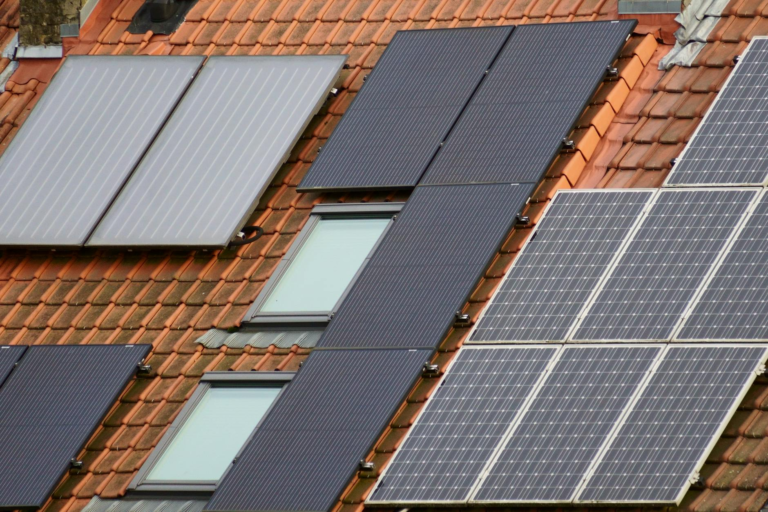
When homeowners in places like Callaway, Crestview, and Panama City consider adding solar panels, one of the first questions that arises is how the age of the house influences the installation process. The phrase solar installation home age differences captures a range of technical, structural, and regulatory factors that can either smooth the path to clean energy or add unexpected hurdles. Newer homes, typically built in the last decade, often incorporate modern building codes, stronger roof structures, and upgraded electrical panels—all of which align well with today’s solar technology. Older residences, especially those constructed before the 1990s, may lack these conveniences, requiring additional assessments, reinforcements, or even partial remodels before a solar system can be safely mounted.
Find us here:
Solar Cost Calculator – Florida Panhandle Only
* Estimate based on $3.25 per watt for solar installation.
* For Tesla Powerwall 3 Batteries, $15,000 for the first battery, $12,000 for each additional battery.
* Other variations and types of Batteries are available.
Why Modern Construction Practices Matter
Builders of contemporary homes are accustomed to designing for energy efficiency. Roof trusses are engineered to support higher loads, which is essential for the weight of photovoltaic (PV) arrays and mounting hardware. Moreover, newer roofs often use synthetic underlayment that provides a waterproof barrier, reducing the risk of leaks during panel installation. These characteristics directly address many of the challenges highlighted by solar installation home age differences, making newer houses a more straightforward canvas for solar contractors. In contrast, older homes may have aged rafters, wooden shingles, or even slate roofs that were never intended to bear the additional weight of solar panels.
Structural Considerations for Roof Load
One of the most critical assessments during a solar project is determining whether the roof can handle the extra load. For a typical 5‑kilowatt residential system, the panels and mounting hardware can add between 1,200 and 1,800 pounds to the roof surface. Newer homes usually exceed the minimum code requirements for roof load, meaning the existing structure can often accommodate this extra weight without reinforcement. This advantage is a key element of the solar installation home age differences conversation. Older homes might need a structural engineer’s evaluation, and in some cases, reinforcement of rafters or the addition of support beams—both of which can increase the overall cost and timeline of the project.

Roofing Materials and Their Impact
The type of roofing material directly influences installation difficulty. Asphalt shingles, the most common material on newer homes, are easy to work with; installers can cut through them without compromising the underlying waterproof membrane. Metal roofs, increasingly popular in modern builds for their durability and reflectivity, also pair well with solar panels because they can be mounted using clamps that avoid penetrations. Older homes, however, may feature clay tiles, cedar shakes, or even flat roofs with built‑up roofing (BUR). Each of these materials requires specialized mounting solutions, additional flashing, or even roof replacement—factors that underscore the solar installation home age differences and can add weeks to the project schedule.
Electrical Capacity and Panel Compatibility
Beyond the roof, the home’s electrical system must be capable of handling the new solar array. Modern houses are typically equipped with 200‑amp service panels, ample space for additional breakers, and conduit pathways that simplify wiring runs. When installers evaluate a property, they often find that newer homes meet or exceed the requirements for a standard grid‑tied system without needing an upgrade. This scenario reflects a favorable side of the solar installation home age differences. Older properties might still operate on 100‑amp panels that lack spare slots, necessitating a panel upgrade—a process that involves a licensed electrician, permits, and additional inspection steps.
Permit Processes and Local Regulations
Every municipality has its own set of building codes and permitting procedures. In regions like Callaway, Crestview, and Panama City, newer constructions often already comply with the latest solar-ready ordinances, streamlining the permit application. This alignment reduces the administrative burden for both the homeowner and the installer, illustrating another facet of the solar installation home age differences. Conversely, older homes may trigger additional scrutiny, especially if the original construction did not account for renewable energy systems. Installers might need to submit structural calculations, detailed roof reinforcement plans, or even historical preservation documentation, all of which can prolong the approval timeline.
Regional Climate and Weather Considerations
The Gulf Coast climate, which includes Callaway, Crestview, and Panama City, presents unique challenges such as high humidity, strong winds, and occasional hurricanes. Newer homes are built to contemporary wind‑load standards, meaning their roofs and framing are better prepared to withstand the forces that solar panels will encounter. This resilience is a practical example of why solar installation home age differences matter in this area. Older homes, especially those constructed before modern wind‑load codes, may require retrofitting to meet current standards, ensuring that the solar array remains securely attached during severe weather events.
Cost Implications of Age‑Related Upgrades
Financial planning is essential for any solar project. While the cost of the photovoltaic system itself remains relatively consistent, the ancillary expenses can vary dramatically based on home age. Newer houses often avoid additional costs such as roof reinforcement, panel upgrades, or extensive permitting fees. In contrast, older homes may incur extra charges ranging from $2,000 to $8,000 for structural reinforcements, plus labor costs for any necessary roof work. Understanding these potential differences helps homeowners set realistic budgets and highlights why the solar installation home age differences are a critical factor in the decision‑making process.
Timeline Differences Between New and Old Homes
Time is money, especially when waiting for a solar system to become operational. In newer constructions, the typical timeline from site assessment to final commissioning can be as short as four to six weeks. This efficiency stems from fewer structural modifications and smoother permit approvals. For older residences, each additional step—whether a roof repair, electrical upgrade, or extended permit review—adds days or even weeks to the schedule. Homeowners should factor in these potential delays, recognizing that the solar installation home age differences can directly affect how quickly they start seeing energy savings.

Key Factors Checklist
- Roof age and material condition
- Structural load capacity of the roof framing
- Electrical service panel size and available breaker slots
- Compliance with current wind‑load and building codes
- Permit requirements specific to the municipality
- Potential need for roof or structural upgrades
- Projected timeline and associated labor costs
Comparing Newer and Older Homes: A Quick Reference
| Aspect | Newer Homes (Built 2000‑Present) | Older Homes (Pre‑2000) |
|---|---|---|
| Roof Structure | Engineered for higher loads; often asphalt or metal | Varied materials; may need reinforcement |
| Electrical Panel | Typically 200 A with spare slots | Often 100 A, limited space |
| Building Codes | Current solar‑ready standards | Older codes, may require updates |
| Permit Process | Streamlined, fewer revisions | Potential for additional documentation |
| Cost Add‑Ons | Minimal; mainly solar hardware | Possible structural, electrical, roofing costs |
This table encapsulates the core solar installation home age differences that homeowners in Callaway, Crestview, and Panama City should keep in mind. While each property is unique, the patterns shown here provide a solid foundation for estimating effort, cost, and timeline before committing to a solar project.
Preparing Your Home for a Smooth Solar Transition
Whether you reside in a brand‑new development or a historic neighborhood, there are proactive steps you can take to mitigate age‑related challenges. Start by scheduling a professional roof inspection to assess the condition of shingles, flashing, and overall structural integrity. For older homes, consider upgrading to a modern electrical panel well before the solar installer arrives; this not only simplifies the process but can also improve overall home safety. Additionally, gather any existing building plans or renovation records, as these documents can expedite permit approvals. By addressing these items early, you align your property more closely with the standards that favor newer constructions, thereby narrowing the gap created by the solar installation home age differences.
Choosing the Right Solar Installer
Not all solar contractors have equal experience with older homes. Look for installers who boast a portfolio that includes retrofits and structural upgrades, as they will be better equipped to navigate the complexities highlighted by the solar installation home age differences. Ask for references from clients with similar home ages and verify that the installer holds the necessary certifications for structural assessments and electrical work. A knowledgeable installer can provide a realistic quote that accounts for any extra work, ensuring there are no surprise costs once the project is underway.
Financial Incentives and Rebates
Florida offers a range of incentives for residential solar, including the federal Investment Tax Credit (ITC) and state-specific rebates that apply regardless of home age. However, some local programs in Callaway, Crestview, and Panama City provide additional benefits for homes that meet certain energy‑efficiency criteria, which newer constructions often already satisfy. Older homes may need to qualify for energy‑audit upgrades before becoming eligible for these extra rebates. Understanding how age influences eligibility can help you maximize savings and offset any extra expenditures caused by necessary upgrades.
Long‑Term Benefits That Outweigh Age‑Related Hurdles
Despite the initial challenges that older homes might face, the long‑term advantages of solar remain compelling. Homeowners of any age can expect reduced electricity bills, increased property value, and a smaller carbon footprint. Moreover, once the system is installed, maintenance requirements are modest, and the performance of the panels does not depend on the house’s construction era. In many cases, the investment in structural upgrades or electrical improvements can also enhance the overall resilience and safety of the home, delivering benefits that extend far beyond the solar array itself.
Conclusion
In the Gulf Coast markets of Callaway, Crestview, and Panama City, the solar installation home age differences play a pivotal role in shaping the scope, cost, and timeline of a solar project. Newer homes typically require fewer structural upgrades, making the path to clean energy smoother and faster. Older residences may need additional work, but with proper planning, the right contractor, and awareness of local incentives, they can achieve the same sustainable outcomes. By evaluating the factors outlined above, homeowners can make informed decisions and confidently embark on their solar journey, regardless of the age of their home.
