




Home electrification is no longer a futuristic concept; it is rapidly becoming the standard for new‑build and retrofit projects across the United States. In the Florida panhandle, especially in Tallahassee and Pensacola, homeowners are increasingly exploring how to combine electric heating, cooking, and cooling with clean energy sources. This shift is driven by rising electricity costs, stricter building codes, and a growing awareness of climate impact. Yet, the success of any electrification effort hinges on thoughtful solar home electrification planning. By aligning solar system design with the specific energy demands of an all‑electric home, owners can maximize cost savings, ensure reliability, and future‑proof their properties against evolving utility rates.
Find us here:
Solar Cost Calculator – Florida Panhandle Only
* Estimate based on $3.25 per watt for solar installation.
* For Tesla Powerwall 3 Batteries, $15,000 for the first battery, $12,000 for each additional battery.
* Other variations and types of Batteries are available.
Understanding Electrification Trends in Tallahassee and Pensacola
Both Tallahassee and Pensacola have seen a noticeable uptick in electric‑only building permits over the past three years. Municipal governments are updating energy codes to require higher efficiency standards, and many new developments are opting for heat‑pump technology instead of natural‑gas furnaces. According to the Florida Public Service Commission, electricity consumption in residential units has risen by roughly 12 % since 2021, while natural‑gas usage has declined. Residents are also responding to local incentives that reward the installation of renewable energy systems. This environment creates a fertile ground for solar home electrification planning, as homeowners seek to offset the higher electricity demand that comes with full‑electric appliances and HVAC systems.
Why Solar Is Central to Home Electrification
When a home eliminates fossil‑fuel appliances, its overall electricity load inevitably increases. Solar photovoltaic (PV) arrays provide a direct, on‑site source of clean power that can meet this heightened demand without relying solely on the grid. Moreover, solar generation aligns naturally with peak load periods—especially during hot summer afternoons when air‑conditioning runs at full capacity. By integrating solar generation into the electrification strategy, homeowners can lower their net‑metered bills, reduce peak‑demand charges, and increase resilience during grid outages. In essence, solar is not an optional add‑on; it is a core component of a successful solar home electrification planning process.
The Role of Planning in Solar Home Electrification
Effective solar home electrification planning begins with a comprehensive assessment of the household’s energy profile. This includes evaluating current and projected electricity usage, understanding the timing of peak loads, and identifying any future expansions—such as electric vehicle (EV) charging stations or home battery storage. A well‑structured plan also takes into account local climate patterns, roof orientation, shading, and structural limitations. By mapping these variables early, homeowners can size their PV system accurately, avoid costly over‑ or under‑installation, and ensure that the solar array will continue to meet the home’s needs as technology and habits evolve.
Assessing the Home’s Energy Load
The first step in solar home electrification planning is to calculate the total kilowatt‑hour (kWh) demand of the all‑electric household. This involves reviewing past utility bills, factoring in the energy draw of electric heat pumps, induction cooktops, electric water heaters, and any planned EV chargers. Tools such as the Department of Energy’s Home Energy Saver calculator can provide a baseline estimate. Once the baseline is established, the homeowner can model different scenarios—such as adding a battery storage system—to see how each option influences the required solar capacity.
Site Evaluation and Solar Suitability
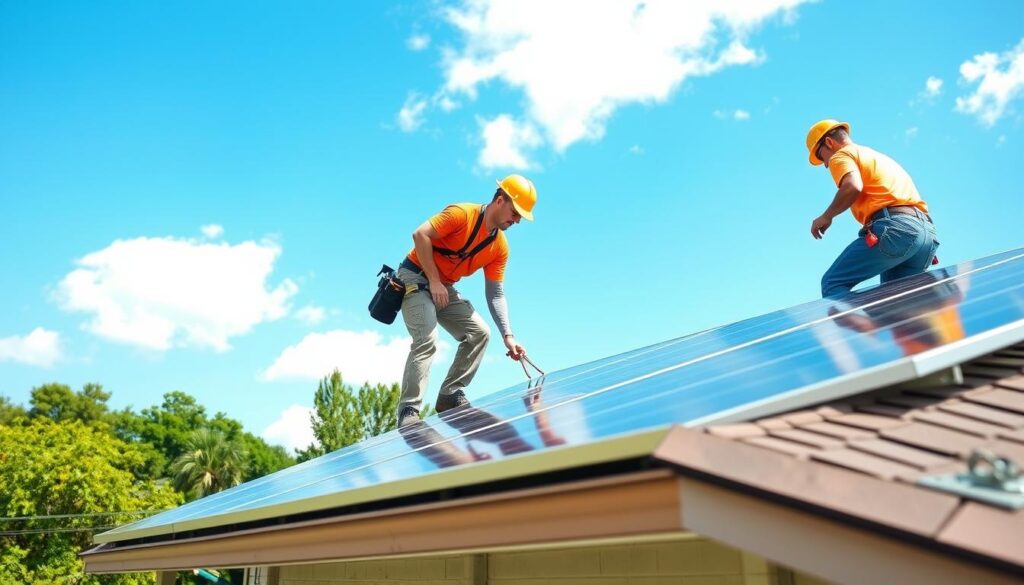
After the load analysis, the next phase of solar home electrification planning focuses on the physical site. A professional solar installer will perform a shade analysis using tools like LiDAR or drone‑based imaging to identify obstructions from trees, neighboring structures, or seasonal foliage. Roof pitch, material, and structural integrity are also examined to determine mounting options. In many Tallahassee and Pensacola homes, south‑facing roofs with a 20‑30° pitch provide the optimal angle for maximum solar production, but ground‑mount or car‑port installations can be viable alternatives when roof space is limited.
Integrating Solar With Complementary Technologies
Solar home electrification planning does not stop at the PV array. To fully capitalize on clean energy, homeowners should consider integrating other technologies that enhance efficiency and reliability. Energy storage systems allow excess solar power to be saved for nighttime use, reducing reliance on grid electricity during peak rates. Smart home energy management platforms can automate load shifting, ensuring that high‑energy appliances run when solar output is highest. Finally, pairing solar with an electric heat pump and a high‑efficiency water heater creates a synergistic system where each component supports the others, delivering a truly low‑carbon, cost‑effective home.
- Battery storage for nighttime resilience.
- Smart thermostats to optimize heat‑pump operation.
- Energy‑monitoring dashboards for real‑time usage insights.
- EV chargers equipped with load‑balancing capabilities.

Financial Incentives and Funding Options
Florida offers a variety of incentives that make solar home electrification planning more financially attractive. The state’s net‑metering policy allows homeowners to receive credit for excess electricity sent back to the grid, effectively reducing monthly bills. Additionally, the federal Investment Tax Credit (ITC) currently provides a 30 % tax credit on the total cost of solar installations, and several local utility programs in Tallahassee and Pensacola offer rebates for energy‑storage integration. Financing options such as zero‑interest solar loans, Property Assessed Clean Energy (PACE) programs, and power‑purchase agreements (PPAs) further lower the upfront barrier, enabling more households to transition to all‑electric living.
| Incentive Type | Typical Value (USD) |
|---|---|
| Federal Investment Tax Credit (ITC) | 30 % of system cost |
| Florida Net‑Metering Credit | Varies by utility, up to 1 ¢/kWh |
| Local Utility Rebate (Pensacola) | $500‑$1,000 per kW |
| PACE Financing (Tallahassee) | 0 % interest, 15‑year term |
Step‑by‑Step Solar Home Electrification Planning Guide
Below is a concise roadmap that homeowners in Tallahassee and Pensacola can follow to ensure a smooth transition to an all‑electric, solar‑powered residence. Each step emphasizes data‑driven decisions and leverages local resources, making the process both transparent and cost‑effective.
- 1. Conduct an Energy Audit: Use utility data and professional audit services to quantify current and future electricity needs.
- 2. Model Solar Scenarios: Work with a certified installer to simulate system sizes, storage options, and financial outcomes.
- 3. Perform Site Assessment: Verify roof suitability, shading, and structural capacity for the chosen mounting system.
- 4. Secure Incentives and Financing: Apply for federal, state, and local rebates; explore loan or PACE options.
- 5. Install, Commission, and Optimize: Oversee installation, ensure proper commissioning, and set up smart controls for ongoing performance monitoring.
Common Pitfalls and How to Avoid Them
Even with careful solar home electrification planning, homeowners can encounter obstacles that diminish system performance or increase costs. One frequent mistake is undersizing the PV array based on incomplete load data, which leads to higher grid reliance during peak periods. Another is neglecting to account for future load growth, such as adding an EV charger without revisiting the system design. Additionally, overlooking local permitting requirements can cause delays and extra fees. To mitigate these risks, engage a qualified solar consultant early, keep detailed records of all energy‑use projections, and stay informed about municipal code updates that affect electric‑only construction.
Future Outlook for Solar Home Electrification in the Panhandle
Looking ahead, the momentum behind solar home electrification planning in Tallahassee and Pensacola shows no signs of slowing. The Florida Public Service Commission is expected to introduce more aggressive time‑of‑use rates, which will further incentivize homeowners to generate and store their own electricity. Moreover, advancements in micro‑inverter technology and bifacial panels are set to boost system efficiency, making solar a more attractive option for densely populated neighborhoods. As electric vehicle adoption accelerates, the synergy between EV charging and home solar will become a cornerstone of residential energy strategy, reinforcing the importance of comprehensive planning from day one.
In conclusion, solar home electrification planning is the strategic bridge that connects the desire for an all‑electric household with the practical realities of energy consumption, cost, and reliability. By following a structured approach—assessing load, evaluating site conditions, leveraging incentives, and integrating complementary technologies—homeowners in Tallahassee and Pensacola can confidently transition to a cleaner, more resilient energy future.
