



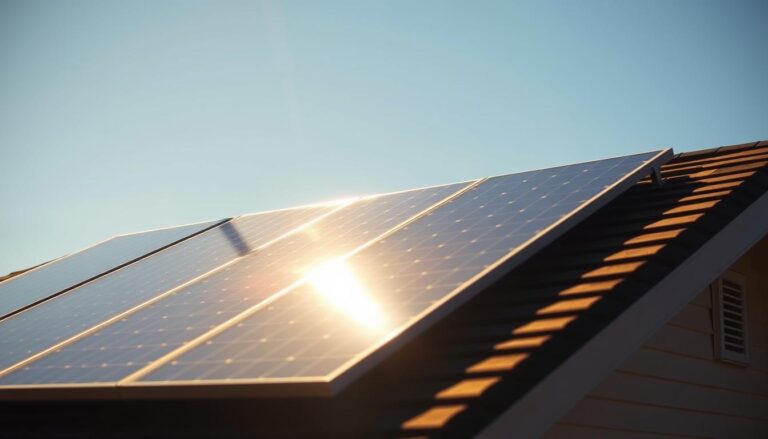
Understanding the Role of Solar in Modern Home Energy Strategies
Across the Florida Panhandle, homeowners are increasingly recognizing that traditional electricity bills are just one piece of a much larger energy puzzle. Rising utility rates, frequent grid outages, and growing environmental concerns have prompted many to look beyond conventional power sources. Integrating solar into a household’s long‑term plan offers a way to gain control over energy costs while also contributing to a cleaner grid. This shift isn’t about a quick, one‑off installation; it’s about thoughtful solar home energy planning that aligns with a family’s financial goals, lifestyle preferences, and future resilience needs. By treating solar as a strategic component rather than an afterthought, residents can create a flexible, adaptable system that evolves with technology and personal circumstances.
Find us here:
Solar Cost Calculator – Florida Panhandle Only
* Estimate based on $3.25 per watt for solar installation.
* For Tesla Powerwall 3 Batteries, $15,000 for the first battery, $12,000 for each additional battery.
* Other variations and types of Batteries are available.
Why Solar Planning Starts with a Comprehensive Energy Audit
The first step in any effective solar home energy planning process is a thorough audit of current electricity usage. Understanding when and how energy is consumed—whether it’s the air conditioner humming on a hot summer afternoon or the dishwasher running after dinner—provides the data needed to size a solar array correctly. A detailed audit also highlights opportunities for demand‑side management, such as upgrading to ENERGY STAR appliances or adding smart thermostats. By combining consumption data with local solar irradiance statistics, homeowners can predict how much of their load can be offset by photovoltaic (PV) panels, setting realistic expectations for savings and return on investment.

Evaluating Site‑Specific Factors for Optimal System Design
Every roof, yard, and neighborhood presents a unique set of variables that influence solar performance. Factors such as roof orientation, pitch, shading from trees or adjacent structures, and even local building codes must be accounted for during solar home energy planning. In the Panhandle, the high sun angle during winter months can be leveraged by tilting panels appropriately, while summer heat may necessitate careful ventilation to maintain panel efficiency. Additionally, homeowners should verify that their utility offers net‑metering or feed‑in tariffs, as these policies directly affect the financial upside of feeding excess electricity back into the grid.
Financial Considerations: Making Solar a Viable Investment
Cost is often the most immediate concern for anyone contemplating a solar installation. However, when solar home energy planning is approached holistically, the financial picture becomes clearer and often more favorable. Initial capital outlay can be mitigated through a combination of federal Investment Tax Credits (ITC), state incentives, and local rebates. Moreover, many Florida utilities provide performance‑based incentives that reward higher system yields. By projecting cash flows over a 25‑year horizon—including anticipated utility rate escalations, maintenance expenses, and potential battery storage upgrades—homeowners can calculate a precise payback period and internal rate of return (IRR). This level of analysis transforms solar from a vague expense into a concrete, quantifiable asset.
Financing Options Tailored to Homeowners
Beyond outright purchase, several financing pathways can align with different cash‑flow preferences. Solar loans allow for ownership while spreading payments over 10‑15 years, preserving the tax credit benefits. Power purchase agreements (PPAs) and leases eliminate upfront costs but typically forfeit the tax incentives and may limit future upgrades. When conducting solar home energy planning, it’s essential to compare the levelized cost of electricity (LCOE) across these options, factoring in any anticipated changes in electricity demand as the household adopts more efficient appliances or electric vehicles.
Integrating Energy Storage for Greater Resilience
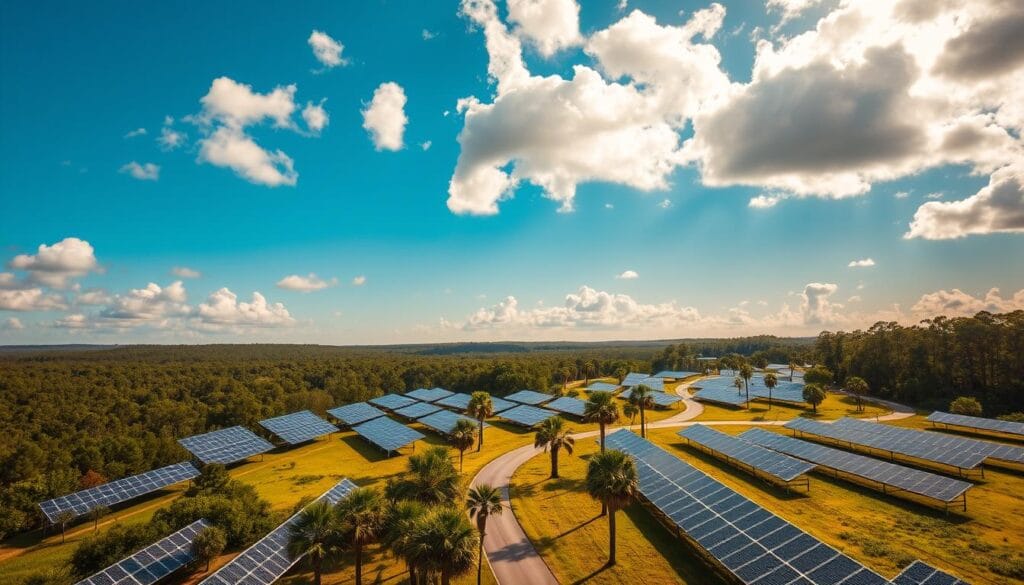
While solar panels generate clean electricity during daylight hours, storage solutions such as lithium‑ion batteries enable homeowners to capture excess energy for use at night or during grid outages. Incorporating storage into solar home energy planning adds a layer of resilience that is especially valuable in regions prone to hurricanes or severe storms. By modeling scenarios that include multiple days of autonomy, families can determine the appropriate battery capacity to meet critical loads—like refrigeration, medical equipment, or home office setups—while still maintaining a cost‑effective system size.
Choosing the Right Battery Technology
Battery technology continues to evolve rapidly, offering a range of options from traditional lead‑acid units to advanced solid‑state designs. When planning a solar‑centric home energy strategy, consider factors such as round‑trip efficiency, depth of discharge, lifespan, and warranty terms. For most residential applications in the Panhandle, lithium‑ion batteries provide the best balance of performance and space efficiency, though they come at a higher upfront cost. By projecting future electricity prices and potential demand charges, solar home energy planning can reveal whether the added expense of a battery will be offset by savings and increased energy independence.
Smart Home Integration and Automation
Modern homes are increasingly equipped with smart devices that can communicate with solar inverters and battery management systems. Through home automation platforms, it’s possible to schedule high‑energy tasks—such as running a pool pump or charging an electric vehicle—during periods of peak solar production. This synergy maximizes self‑consumption, reduces reliance on the grid, and improves overall system efficiency. When conducting solar home energy planning, mapping out the timing of major loads and aligning them with expected solar output can uncover hidden savings opportunities that traditional calculations might miss.
Key Automation Strategies to Boost Self‑Consumption
- Program smart thermostats to pre‑cool or pre‑heat during midday sunshine.
- Set electric vehicle chargers to operate only when the PV system is producing above a defined threshold.
- Use load‑shifting appliances (e.g., dishwashers, laundry machines) on programmable timers linked to solar output forecasts.
- Enable battery dispatch algorithms that prioritize using stored solar energy before drawing from the grid.
Regulatory Landscape and Incentives in the Florida Panhandle
The regulatory environment plays a pivotal role in shaping the economics of solar projects. Florida’s net‑metering policies allow residential systems up to 2 MW to receive full retail credit for excess electricity fed back into the grid, effectively turning the utility into a virtual battery. Additionally, county‑specific rebates and property‑tax exemptions can further reduce the net cost of a solar installation. During solar home energy planning, it is critical to stay current on any legislative changes—such as adjustments to interconnection standards or the introduction of time‑of‑use rates—that could impact long‑term savings.
Checklist of Common Incentives
- Federal Investment Tax Credit (26% for systems installed through 2024).
- Statewide solar rebate programs administered through the Florida Public Service Commission.
- County or municipal property‑tax exemptions for renewable energy equipment.
- Utility‑specific net‑metering credits and performance‑based incentives.
Step‑by‑Step Guide to Effective Solar Home Energy Planning
| Step | Action | Key Considerations |
|---|---|---|
| 1 | Conduct a detailed energy audit. | Identify peak demand periods and potential efficiency upgrades. |
| 2 | Assess site conditions. | Roof orientation, shading, structural integrity, and local codes. |
| 3 | Calculate system size and layout. | Match PV capacity to load profile and future expansion plans. |
| 4 | Explore financing and incentives. | Compare loans, leases, PPAs, and tax credits. |
| 5 | Decide on storage integration. | Determine battery capacity based on autonomy goals. |
| 6 | Incorporate smart home automation. | Schedule loads to align with solar production. |
| 7 | Submit permitting and interconnection applications. | Follow utility and municipal requirements. |
| 8 | Monitor performance post‑installation. | Use data analytics to fine‑tune system operation. |
Following this structured approach ensures that each decision is data‑driven and aligned with long‑term objectives. Homeowners who invest the time in comprehensive solar home energy planning often see higher self‑consumption rates, faster payback periods, and greater overall satisfaction with their renewable energy system.
Future‑Proofing Your Energy Strategy
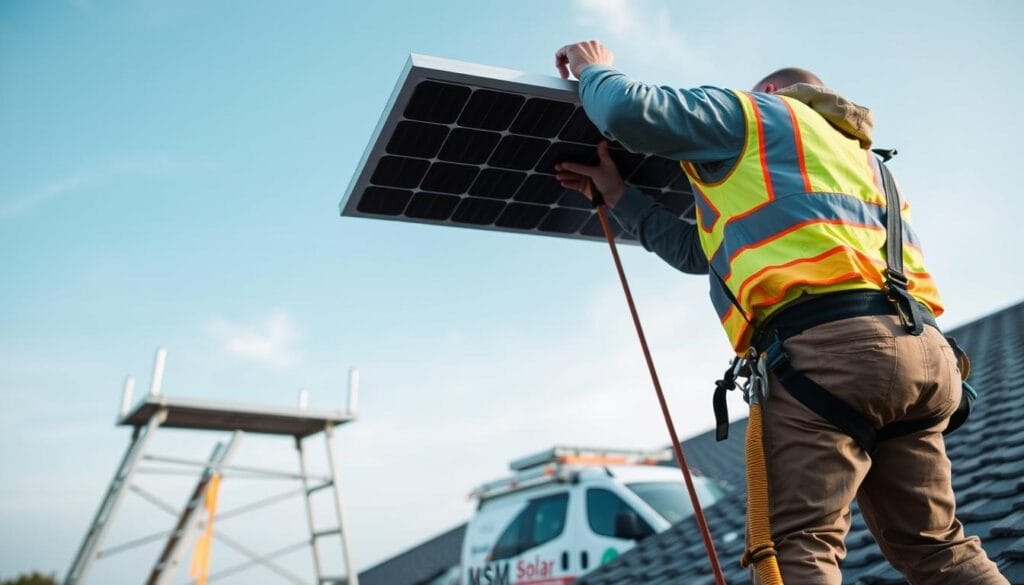
The energy landscape is evolving rapidly, with emerging technologies such as vehicle‑to‑home (V2H) integration, community solar, and advanced grid services like demand response. By embedding flexibility into the initial design—through modular inverter choices, scalable battery racks, and open‑protocol communication standards—homeowners can adapt their systems as new opportunities arise. Solar home energy planning should therefore be viewed as a living document, revisited periodically to incorporate upgrades, policy shifts, or changes in household energy consumption patterns.
Key Trends to Watch
- Increasing efficiency of PV panels, with bifacial and tandem technologies pushing conversion rates above 25%.
- Declining battery costs, making multi‑day storage more attainable for residential users.
- Expansion of utility‑scale demand‑response programs that reward residential flexibility.
- Growth of solar‑plus‑storage microgrids in hurricane‑prone coastal communities.
By staying informed and maintaining an adaptable plan, homeowners can continue to reap the benefits of solar power while positioning themselves to take advantage of next‑generation innovations.
Conclusion
Incorporating solar into a home’s long‑term energy strategy is no longer a luxury—it’s a practical necessity for many families in the Florida Panhandle. Thoughtful solar home energy planning delivers financial savings, energy independence, and environmental stewardship, all while building resilience against grid disruptions. By evaluating consumption patterns, site conditions, financing options, storage needs, and emerging technologies, homeowners can craft a customized roadmap that maximizes the value of their solar investment for decades to come.
