




Understanding the Importance of Home Value Stability
When a homeowner in the Florida Panhandle thinks about long‑term financial health, the stability of their property’s value often tops the list of concerns. A stable home value protects equity, reduces the risk of negative equity during market downturns, and provides a reliable foundation for future financial decisions such as refinancing, retirement planning, or leveraging the property for a new investment. In a region where seasonal tourism, fluctuating insurance costs, and climate‑related risks can create market volatility, finding reliable factors that support consistent appreciation is essential. Among the many variables that influence property valuation, solar energy systems have emerged as a powerful, data‑backed driver of long‑term home value stability, especially in sunny states like Florida.
Find us here:
Solar Cost Calculator – Florida Panhandle Only
* Estimate based on $3.25 per watt for solar installation.
* For Tesla Powerwall 3 Batteries, $15,000 for the first battery, $12,000 for each additional battery.
* Other variations and types of Batteries are available.
Why the Florida Panhandle Market Deserves Special Attention
The Florida Panhandle combines coastal allure with a growing population of retirees, remote workers, and families seeking a more affordable alternative to South Florida’s high‑density markets. This demographic mix creates a unique set of buying motivations: energy independence, lower utility bills, and resilience against frequent storm events. Moreover, the region’s real‑estate trends have shown a steady increase in median home prices over the past decade, but they remain sensitive to broader economic shifts. Homeowners who can demonstrate added value—through upgrades like solar panels—often see less price erosion during downturns, making solar a strategic asset for long‑term stability.
The Direct Impact of Solar on Property Valuation
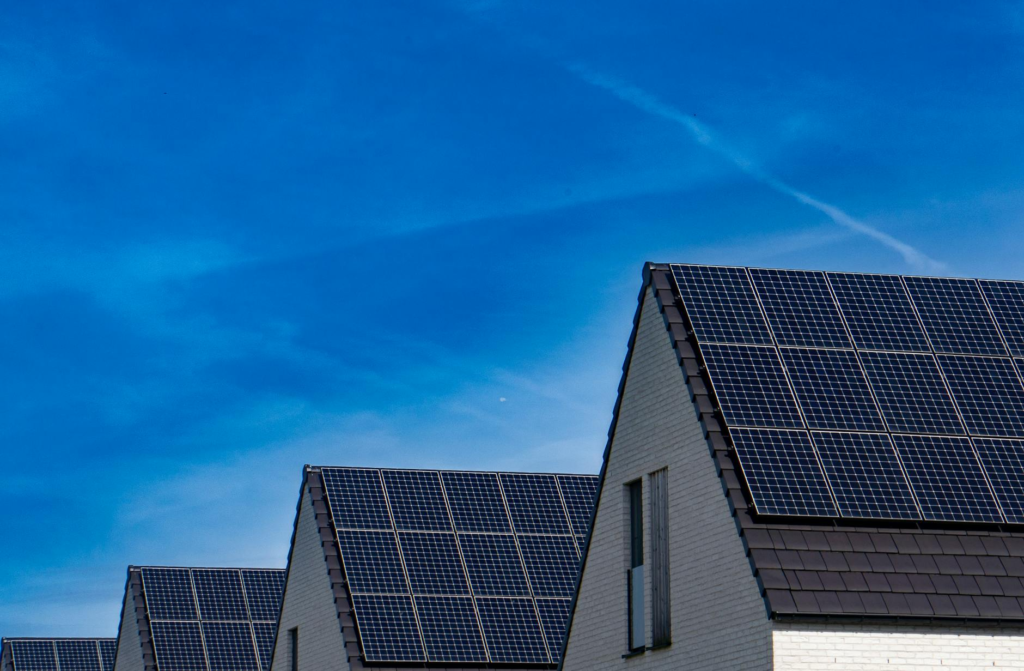
Multiple independent studies, including those conducted by the National Renewable Energy Laboratory (NREL) and real‑estate analytics firms, have consistently shown that homes equipped with solar systems command higher resale prices than comparable homes without solar. The premium typically ranges from 3 % to 7 % of the home’s overall value, depending on system size, local electricity rates, and market awareness. In Florida, where sunlight is abundant and electricity costs are rising, this premium translates into a tangible dollar amount that can offset the initial investment within a few years. More importantly, the presence of a solar system signals to buyers that the property is modern, energy‑efficient, and potentially lower‑maintenance—attributes that contribute to enduring market appeal.
Solar Home Value Stability Florida: How It Works
The phrase solar home value stability florida encapsulates the relationship between a solar installation and the steadiness of a property’s worth over time. Solar panels reduce a household’s reliance on the utility grid, shielding owners from fluctuating energy prices. This predictable cost structure is attractive to prospective buyers, who see lower ongoing expenses as a risk‑mitigation factor. Additionally, many local utilities in the Panhandle offer net‑metering programs that allow homeowners to sell excess electricity back to the grid, creating a modest revenue stream that further enhances the home’s financial profile. When appraisers evaluate a property, they increasingly consider these ongoing savings as part of the overall value, reinforcing the idea that solar contributes to long‑term stability.
Financial Incentives Amplify Long‑Term Benefits
Florida’s incentive landscape adds another layer of value preservation for solar homeowners. The federal Investment Tax Credit (ITC) currently offers a 30 % credit on the cost of solar installations, while state‑specific rebates and property‑tax exemptions further reduce the net outlay. These incentives not only accelerate the payback period but also increase the effective resale premium because the buyer inherits a system that was partially subsidized, making the perceived value even higher. Over a typical 25‑year system lifespan, the combined effect of tax credits, reduced utility bills, and a higher resale price can generate upwards of $50,000 in net gains for a mid‑size home—an amount that significantly bolsters long‑term equity stability.
Real‑World Data: Solar Home Value Stability Florida
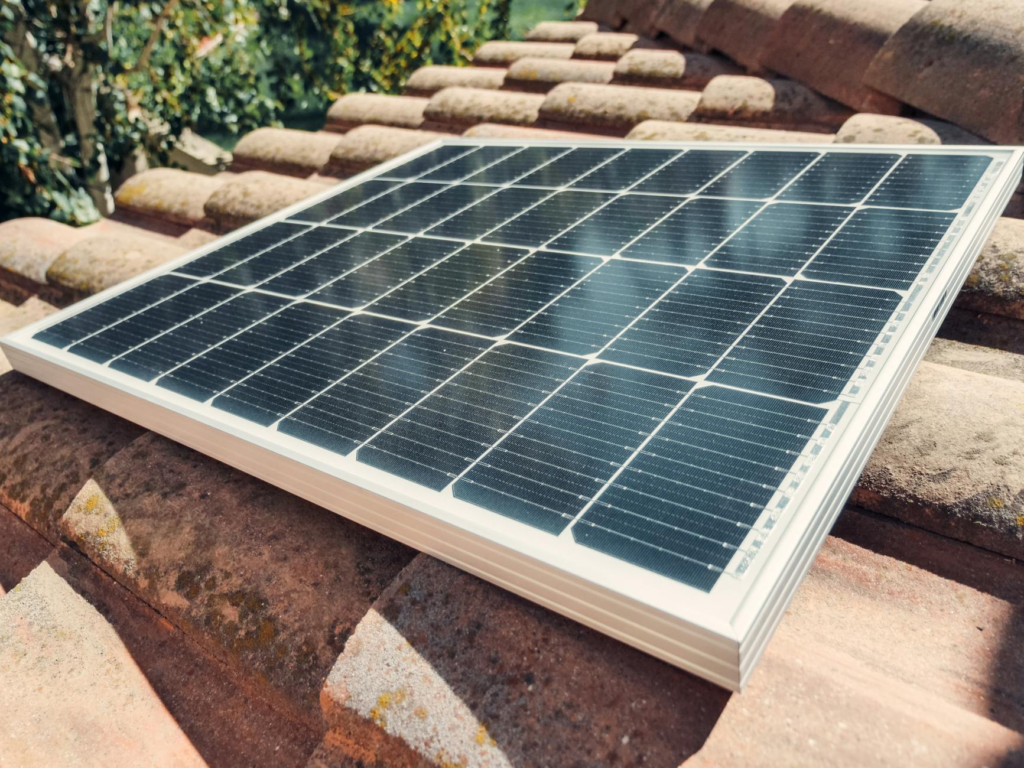
To illustrate the concrete impact of solar on home values across the Florida Panhandle, the table below summarizes recent market analyses from three counties—Escambia, Santa Rosa, and Okaloosa. The data compares average resale price premiums, estimated annual utility savings, and projected equity growth for homes with a 5 kW solar system versus homes without solar. These figures demonstrate how solar installations consistently contribute to higher resale values and stronger equity trajectories, reinforcing the concept of solar home value stability florida.
| County | Average Premium for Solar Home (%) | Annual Utility Savings ($) | Projected 10‑Year Equity Growth ($) |
|---|---|---|---|
| Escambia | 5.2 | 1,350 | 38,500 |
| Santa Rosa | 4.8 | 1,420 | 36,200 |
| Okaloosa | 5.5 | 1,480 | 40,100 |
Practical Steps for Homeowners Looking to Leverage Solar
Homeowners who want to harness the stability benefits of solar should follow a strategic roadmap. First, conduct a thorough energy audit to determine the optimal system size based on historic usage patterns. Next, obtain multiple quotes from reputable installers and verify that they are certified by the North American Board of Certified Energy Practitioners (NABCEP). After installation, ensure the system is properly registered with the local utility for net‑metering eligibility and that all warranties are documented. Finally, keep detailed records of energy production, maintenance activities, and any incentive paperwork. When the time comes to sell, these records become valuable marketing assets that substantiate the home’s added value.
Addressing Common Misconceptions About Solar and Home Value
- My home’s resale value won’t increase because buyers are unfamiliar with solar.
- Solar panels will look outdated and deter potential buyers.
- The cost of maintenance outweighs any increase in property value.
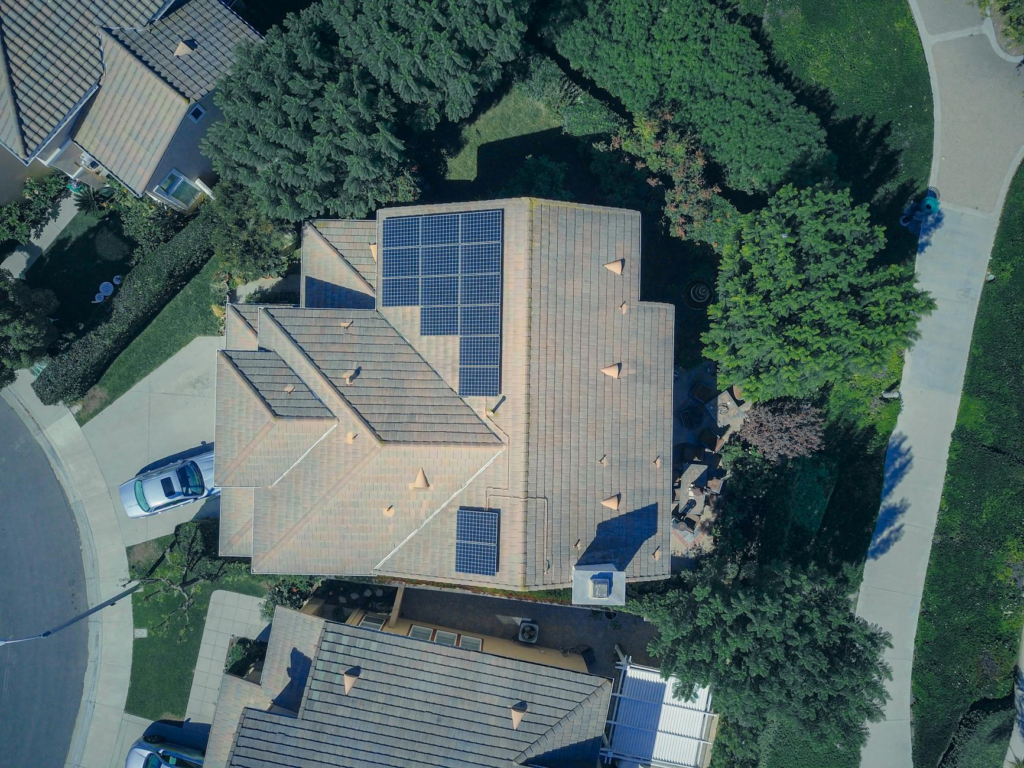
These concerns, while understandable, are largely unfounded in the modern market. Buyer awareness of renewable energy has risen dramatically, especially in sun‑rich states like Florida where energy costs are a prominent consideration. Modern solar panels are sleek, low‑profile, and come with warranties that often exceed 25 years, minimizing maintenance worries. Moreover, many real‑estate agents now highlight solar as a selling point, and appraisal guidelines have been updated to reflect the added value. The net effect is a smoother transaction process and a higher likelihood of achieving the premium associated with solar home value stability florida.
Future Trends: How Emerging Technologies Will Reinforce Value Stability
Looking ahead, advancements such as battery storage, smart inverters, and integrated home energy management systems are set to further cement solar’s role in preserving home value. Battery systems allow homeowners to store excess generation for use during peak demand periods or power outages—features that are increasingly valued in hurricane‑prone regions. Smart inverters can optimize power flow, improve grid interaction, and provide detailed performance analytics that can be shared with prospective buyers. As these technologies become mainstream, the premium associated with solar‑equipped homes is expected to rise, offering even greater long‑term equity protection for Florida homeowners.
Conclusion
In the Florida Panhandle, solar installations are more than an environmentally friendly upgrade—they are a proven catalyst for long‑term home value stability. By delivering measurable utility savings, qualifying for generous incentives, and providing a clear resale premium, solar empowers homeowners to protect and grow their equity in a market that can be vulnerable to external pressures. Embracing solar today positions property owners to reap financial rewards for years to come, ensuring that their homes remain valuable assets in any economic climate.
