



Introduction
Across the Florida Panhandle, the conversation about clean energy has shifted from niche to mainstream. Homeowners in Pensacola, Destin, and Tallahassee are no longer just hearing about solar panels—they are actively weighing the benefits, costs, and logistics of installing them. This surge in interest is reflected in the growing number of solar homeowner discussions that dominate community forums, neighborhood meetings, and local news cycles. In this article we’ll explore why solar has become a central topic for every serious homeowner, examine the financial and environmental incentives driving adoption, and provide a clear roadmap for those ready to join the movement.
Find us here:
Solar Cost Calculator – Florida Panhandle Only
* Estimate based on $3.25 per watt for solar installation.
* For Tesla Powerwall 3 Batteries, $15,000 for the first battery, $12,000 for each additional battery.
* Other variations and types of Batteries are available.
The Florida Panhandle’s Solar Momentum
The Panhandle enjoys a unique blend of high solar irradiance and a supportive policy environment. While the rest of Florida is known for its sunshine, the northern coastal stretch receives slightly higher average daily sunlight hours, translating into more efficient energy production for rooftop systems. Statewide net‑metering rules, combined with local utility rebates, have created a fertile ground for rapid adoption. As a result, solar homeowner discussions in Pensacola, Destin, and Tallahassee have shifted from curiosity to concrete planning.
Sunlight Advantage
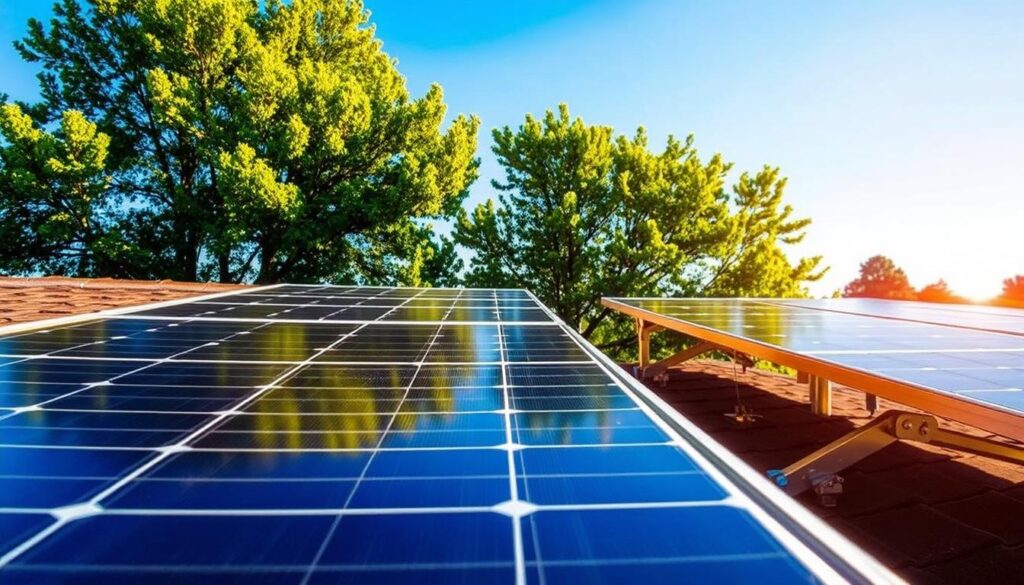
According to the National Renewable Energy Laboratory, the Panhandle averages 5.5 to 6 peak sun hours per day—more than many other U.S. regions. This means a typical 6‑kilowatt residential system can generate between 9,000 and 10,000 kilowatt‑hours annually, enough to offset a large portion of an average home’s electricity usage. When homeowners recognize that their roofs can produce clean power almost daily, the dialogue naturally turns toward investment and installation.
Policy Support and Incentives
Florida’s renewable portfolio standards, though modest, are supplemented by local utility programs that offer rebates, performance-based incentives, and streamlined permitting. These policies have lowered the financial barrier, prompting more families to bring solar into their living rooms. The prevalence of such incentives fuels the ongoing solar homeowner discussions that dominate local homeowner association meetings and online community boards.
Economic Benefits That Speak Volumes
Money talks, especially when it comes to home improvement decisions. The financial upside of solar is one of the primary drivers behind the surge in solar homeowner discussions. Below we break down the most compelling economic incentives.
- Immediate reduction in monthly electricity bills, often by 50 % or more.
- Federal Investment Tax Credit (ITC) of 30 % for systems installed through 2032, decreasing the net cost dramatically.
- State and local rebates that can shave an additional $1,000–$3,000 off the upfront price.
- Net‑metering credits that allow excess generation to be sold back to the grid, effectively turning the home into a small power plant.
- Long‑term property value boost; studies show homes with solar sell 4–5 % higher on average.
When homeowners calculate the payback period—often 5 to 8 years—they see a clear path to long‑term savings. The combination of immediate bill reduction and future resale value fuels robust solar homeowner discussions at every stage of the decision‑making process.
Environmental Impact and Community Pride
Beyond dollars, many Panhandle residents are motivated by the desire to protect the natural beauty of their coastal surroundings. Solar energy produces zero greenhouse‑gas emissions during operation, helping to preserve air quality and reduce reliance on fossil‑fuel power plants that can affect local water bodies.
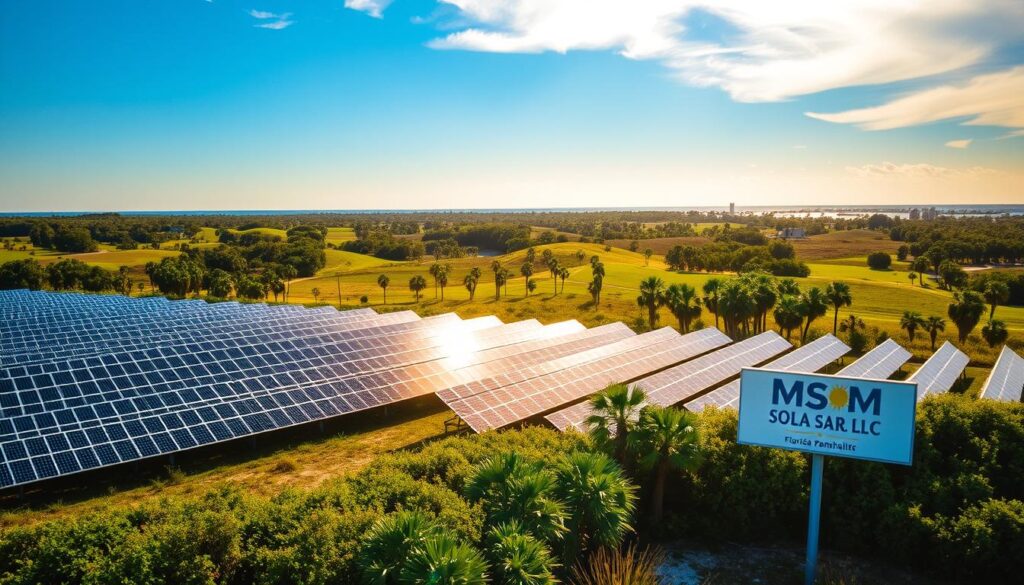
Neighborhoods that adopt solar collectively experience a “ripple effect.” When one family installs panels, neighbors notice the aesthetic and environmental benefits, prompting further solar homeowner discussions. This community‑wide shift not only cuts carbon footprints but also builds a shared sense of stewardship for the region’s pristine beaches and wildlife habitats.
Financing Options Made Simple
One of the biggest hurdles for new adopters is the upfront cost. Fortunately, the market now offers a suite of financing solutions tailored to the needs of Panhandle homeowners.
- Cash Purchase: Best for those who want to maximize tax credits and own the system outright.
- Solar Loans: Low‑interest, fixed‑rate loans from banks or credit unions that spread payments over 5‑20 years.
- Power Purchase Agreements (PPAs): Homeowners pay a set rate for the electricity generated, with no ownership of the panels.
- Leases: Similar to PPAs, but the homeowner pays a monthly lease fee regardless of production.
Each option has distinct tax implications and impacts on eligibility for the Federal ITC. When families sit down to discuss their budgets, the variety of choices often becomes a central theme in solar homeowner discussions. Understanding the trade‑offs helps them select a path that aligns with both financial goals and personal values.
Choosing the Right Solar Provider
The market is saturated with installers, making selection a critical step. Homeowners should evaluate providers based on experience, warranty terms, and local reputation. Below are key criteria to consider:
- Years of operation in the Florida Panhandle and proven installations in Pensacola, Destin, or Tallahassee.
- Comprehensive warranties covering both equipment (typically 25 years) and performance (usually 10 years).
- Transparent pricing with detailed proposals that break down equipment, labor, and incentives.
- Customer reviews and references from neighbors who have completed installations.
When homeowners compare quotes, they often bring up the nuances of each offer in their solar homeowner discussions. A provider that can clearly explain system sizing, expected output, and maintenance plans will stand out.
Incentive Snapshot for Pensacola, Destin, and Tallahassee
| City | State Incentive (ITC) | Utility Rebate (2024) |
|---|---|---|
| Pensacola | 30 % Federal ITC | $1,500 per kW |
| Destin | 30 % Federal ITC | $1,200 per kW |
| Tallahassee | 30 % Federal ITC | $1,800 per kW |
This simple table highlights the consistent federal credit across the region while showing slight variations in local utility rebates. Homeowners can use these figures as a baseline when budgeting and as a talking point in their ongoing solar homeowner discussions.
Common Questions Answered
How much roof space is needed?
A typical 6‑kilowatt system requires about 350‑400 square feet of unobstructed roof area. Most single‑family homes in the Panhandle have sufficient space, but shading from trees or nearby structures can affect placement. Conducting a shade analysis is a standard part of the consultation process.
Will solar panels damage my roof?
Professional installers use mounting brackets that protect the roofing material. In many cases, the installation actually extends the life of the roof by providing an extra barrier against the elements. Properly installed panels are designed to be removed without compromising the roof’s integrity.
What happens during a power outage?
Standard grid‑tied systems automatically shut down during outages for safety. However, homeowners can add battery storage to maintain power continuity. This option is increasingly popular in the Panhandle, where hurricane‑related outages are a concern.
Future Outlook: Solar as a Standard Feature
Looking ahead, solar is poised to become as commonplace as central air conditioning in the Florida Panhandle. Advances in panel efficiency, falling equipment costs, and evolving state policies will only accelerate adoption. As more households join the grid‑of‑the‑future, the phrase “solar homeowner discussions” will evolve from a niche topic to a standard part of any real‑estate conversation.
Conclusion
From financial savings to environmental stewardship, the reasons behind the surge in solar homeowner discussions are clear and compelling. Whether you live in Pensacola, Destin, or Tallahassee, the combination of abundant sunshine, supportive incentives, and diverse financing options makes solar a realistic and rewarding choice. By staying informed and engaging with reputable providers, homeowners can turn these conversations into lasting, tangible benefits for their families and their community.
