



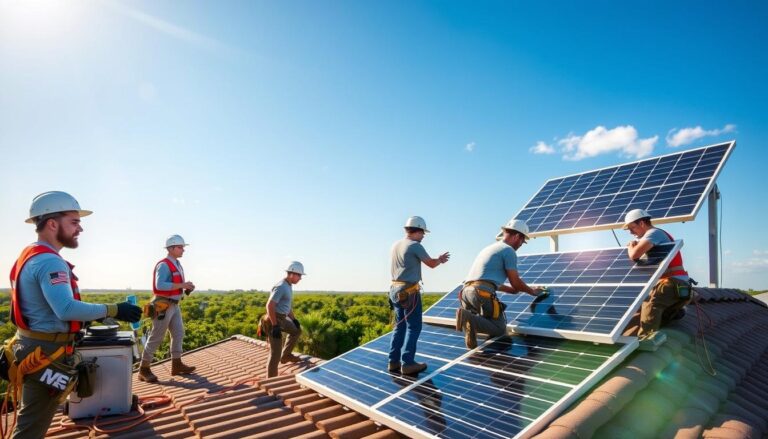
Why Solar Is No Longer a Niche Choice in Florida
Over the past decade, the conversation about clean energy in Florida has shifted from a futuristic ideal to a practical reality for many homeowners. In coastal cities like Pensacola and Panama City, the rise in solar installations is a clear sign that the values driving home improvement decisions are evolving. Residents are no longer solely focused on aesthetics or resale value; they are weighing long‑term financial savings, environmental impact, and energy independence. This alignment of priorities is captured well by the phrase solar homeowner priorities florida, which now appears in real‑estate listings, neighborhood forums, and local news stories.
The growing adoption of solar panels reflects a broader cultural shift toward sustainability, resilience, and cost‑effectiveness. As utility rates climb and climate concerns intensify, homeowners in the Gulf Coast region are asking new questions: How can I protect my family from power outages during hurricane season? What incentives are available to offset installation costs? How does solar align with my desire to reduce carbon footprints? The answers to these questions are reshaping the market and influencing the decisions of everyday families.
Find us here:
Solar Cost Calculator – Florida Panhandle Only
* Estimate based on $3.25 per watt for solar installation.
* For Tesla Powerwall 3 Batteries, $15,000 for the first battery, $12,000 for each additional battery.
* Other variations and types of Batteries are available.
Economic Incentives Driving the Solar Surge
Financial considerations remain at the forefront of solar homeowner priorities florida. The state’s net‑metering policies, combined with federal tax credits, create a compelling economic case for installing photovoltaic (PV) systems. In 2023, the federal Investment Tax Credit (ITC) offered a 30 % deduction on solar costs, dramatically lowering the upfront expense for many families. Meanwhile, Florida’s Property Tax Exemption prevents added home value from increasing property taxes, meaning homeowners can reap the benefits of higher resale value without a corresponding tax penalty.

Local utilities in Pensacola and Panama City also contribute to the financial appeal. Time‑of‑use rates reward customers who shift consumption to daylight hours, allowing solar owners to store excess energy and avoid peak‑price charges. When combined with battery storage options, these incentives provide a reliable buffer against grid interruptions—a critical factor during hurricane threats.
Environmental Concerns as a Core Priority
Beyond the balance sheet, many Florida homeowners are motivated by a desire to protect their natural surroundings. The Gulf Coast’s delicate ecosystems—spanning beaches, wetlands, and marine habitats—are vulnerable to rising sea levels and increased storm intensity. By choosing solar, residents can directly reduce reliance on fossil‑fuel power plants, which are major contributors to greenhouse gas emissions. This environmental stewardship aligns with the emerging solar homeowner priorities florida that emphasize responsibility to future generations.
Community initiatives reinforce this mindset. Neighborhood associations in Panama City have launched “green roof” challenges, encouraging members to combine solar panels with reflective roofing materials. Such collaborative efforts not only lower collective energy consumption but also foster a sense of shared purpose among residents.
Resilience and Energy Independence
Perhaps the most compelling driver for solar adoption in the region is the quest for resilience. Hurricanes regularly test the reliability of the electric grid, leaving thousands without power for days or weeks. Homeowners who invest in solar paired with battery storage gain a level of autonomy that traditional generators cannot match. This self‑sufficiency is increasingly listed as a top concern in surveys of solar homeowner priorities florida.
Battery technology has advanced rapidly, with lithium‑ion systems offering longer lifespans and higher efficiency. When a storm knocks out the grid, a well‑designed solar‑plus‑storage setup can keep essential appliances running, maintain refrigeration for food and medicine, and provide lighting for safety. The peace of mind that comes from this capability is now a decisive factor for many families evaluating home improvements.
Social Influence and Community Trends
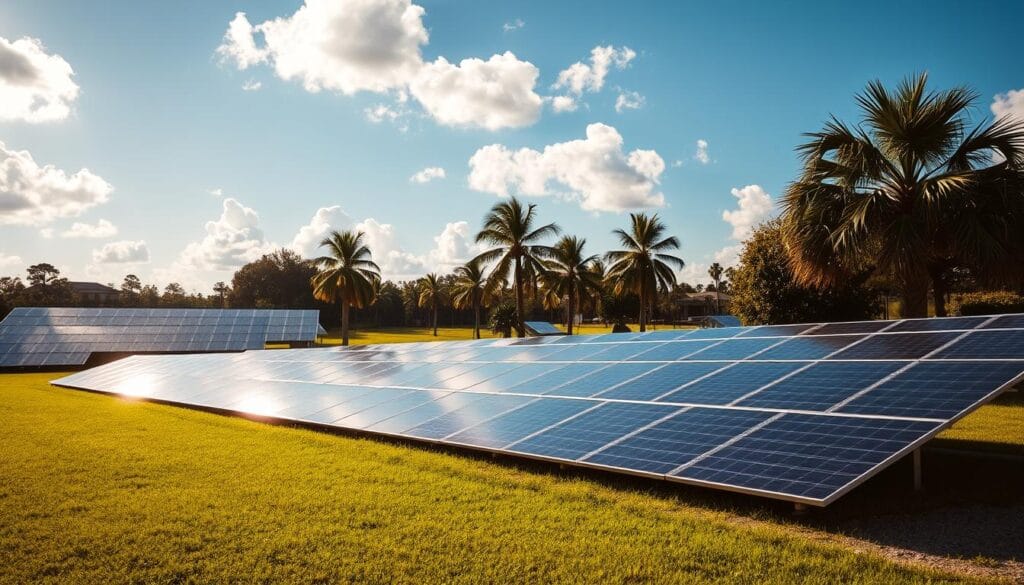
Social proof plays a subtle yet powerful role in shaping solar homeowner priorities florida. As more neighbors install panels, the perceived barriers—cost, complexity, and maintenance—diminish. Homeowners often cite “seeing the panels on the next street over” as a catalyst for their own decision. Online forums, neighborhood Facebook groups, and local workshops hosted by solar installers serve as platforms for sharing experiences, troubleshooting, and celebrating milestones.
- Word‑of‑mouth referrals increase installation rates by up to 40 %.
- Community events showcase real‑time energy production data.
- Local media highlight success stories, reinforcing positive perception.
Comparing Adoption Rates: Pensacola vs. Panama City
While both cities exhibit strong growth, subtle differences emerge when we examine the data. Pensacola, with its larger population and higher median household income, shows a slightly higher penetration of residential solar systems. Panama City, on the other hand, benefits from a more aggressive municipal incentive program that offsets installation costs for low‑to‑moderate income households. These variations illustrate how local policies intersect with homeowner priorities to shape adoption patterns.
| Metric | Pensacola | Panama City |
|---|---|---|
| Solar homes (% of total) | 12.4 % | 10.8 % |
| Average system size (kW) | 5.8 | 5.3 |
| Median payback period (years) | 7.2 | 6.8 |
The table above captures key indicators that help us understand the nuanced ways in which solar homeowner priorities florida manifest across the two markets. Higher system sizes in Pensacola suggest a focus on maximizing energy generation for larger homes, while the shorter payback period in Panama City reflects the impact of targeted subsidies.
Future Outlook: What Comes Next for Solar Homeowners?
Looking ahead, the trajectory of solar adoption in Florida appears poised to accelerate. Emerging technologies such as perovskite solar cells promise higher efficiency at lower costs, potentially making solar even more accessible to renters and multi‑family dwellings. Moreover, legislative efforts at the state level aim to streamline permitting processes and expand community solar options, allowing residents who cannot install panels on their own roofs to participate in shared projects.
As these developments unfold, the core priorities—financial savings, environmental stewardship, resilience, and community influence—will continue to guide homeowner decisions. By staying attuned to these values, solar providers, policymakers, and local utilities can craft solutions that resonate with the evolving expectations of Florida families.
Key Takeaways for Homeowners Considering Solar
- Calculate the long‑term savings using local utility rates and available tax credits.
- Assess the durability of panels and warranties, especially in hurricane‑prone areas.
- Explore battery storage options to enhance resilience during outages.
- Engage with neighbors who have installed solar to gather real‑world insights.
- Check municipal programs in Pensacola and Panama City for additional incentives.
By weighing these considerations, homeowners can align their investments with the broader trends captured by solar homeowner priorities florida. The decision to go solar is no longer a gamble; it is a strategic move that supports financial health, environmental goals, and personal safety.
In summary, the surge in solar installations across Pensacola and Panama City underscores a pivotal shift in what homeowners value most. Economic incentives, ecological responsibility, grid resilience, and community dynamics are converging to redefine the modern Florida home. As the market continues to evolve, staying informed about these priorities will empower residents to make choices that benefit both their households and the wider community.
