



Understanding Solar Homeownership Benefits for Long‑Term Planning
Homeownership is a cornerstone of financial stability, and in coastal markets like Panama City and Pensacola, owners are increasingly looking beyond traditional mortgage strategies to protect their investments against rising utility costs and climate uncertainty. One of the most compelling tools in a homeowner’s toolkit today is solar energy. When integrated thoughtfully, solar panels can transform a property from a passive expense into an active asset, delivering consistent savings, increasing resale value, and aligning with sustainable living goals. This article explores the many dimensions of solar homeownership benefits, offering a roadmap for homeowners who want to embed clean energy into their long‑term financial plans.
Find us here:
Solar Cost Calculator – Florida Panhandle Only
* Estimate based on $3.25 per watt for solar installation.
* For Tesla Powerwall 3 Batteries, $15,000 for the first battery, $12,000 for each additional battery.
* Other variations and types of Batteries are available.
Why Solar Energy Is a Smart Investment for Homeowners
Solar technology has matured dramatically over the past decade. Modern photovoltaic (PV) systems are more efficient, affordable, and aesthetically adaptable than ever before. For homeowners, the initial capital outlay is often offset by a combination of federal tax credits, state incentives, and utility‑scale net‑metering programs that allow excess generation to be fed back into the grid. In Panama City and Pensacola, sunny weather provides an average of 5.5 to 6 peak sun hours per day, translating into high energy production potential. This natural advantage means that solar homeownership benefits are not just theoretical—they’re realized in measurable reductions to monthly electric bills and a tangible hedge against future rate hikes.
Beyond the immediate financial upside, solar installations contribute to a home’s resilience. During power outages, especially those caused by hurricanes—a real risk in Gulf Coast regions—solar systems paired with battery storage can keep essential appliances running, safeguarding both comfort and safety. This added reliability further underscores why solar is becoming an integral part of long‑term homeownership strategies in these markets.
Financial Benefits That Strengthen Long‑Term Homeownership
One of the most direct solar homeownership benefits is the reduction in utility expenses. A typical 6‑kilowatt residential system can offset 70% to 90% of a household’s electricity usage, depending on consumption patterns. Over a 25‑year system lifespan, homeowners often recoup their investment several times over, resulting in net savings that can exceed $30,000 in many cases. These savings are compounded year after year, creating a predictable cash flow that can be redirected toward mortgage principal, home improvements, or other investments.
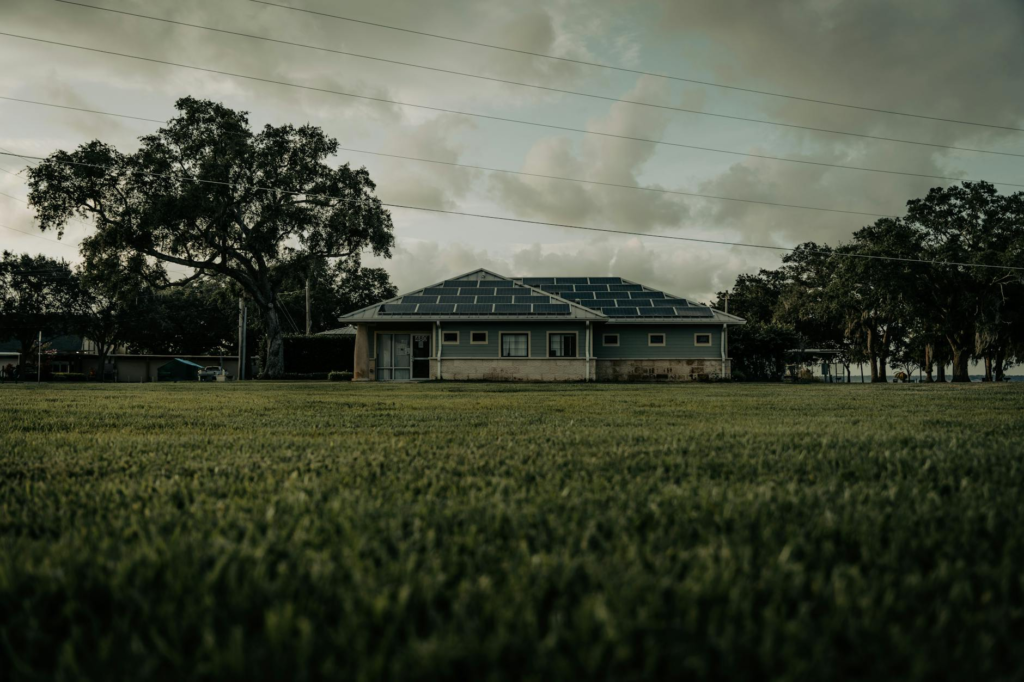
Another financial advantage lies in property appreciation. Real estate studies consistently show that homes equipped with solar panels sell for a premium—often between 3% and 5% higher—compared to comparable homes without solar. This uplift is driven by buyer awareness of lower operating costs and the desire for energy‑efficient homes. In competitive markets like Panama City, where waterfront and coastal properties already command high prices, solar can provide a decisive edge, making the home more attractive to eco‑conscious buyers.
How Solar Reduces Long‑Term Housing Costs
Utility rates in the Gulf Coast have historically trended upward, reflecting infrastructure upgrades, fuel price volatility, and regulatory changes. By generating your own electricity, you lock in a portion of your energy costs at today’s rates, effectively insulating your household budget from future price spikes. Moreover, many utility companies offer net‑metering credits that can be applied to future bills, further stretching the financial impact of each kilowatt‑hour produced.
Maintenance costs for solar systems are also remarkably low. Most modern panels come with a 25‑year performance warranty, and inverters— the heart of the system—typically have a 10‑ to 15‑year warranty. Routine cleaning and occasional inspections are the primary maintenance activities, which are often covered under service agreements for a modest annual fee. This low‑maintenance profile contributes to the overall cost‑effectiveness of solar, reinforcing its role in long‑term homeownership planning.
Boosting Property Value and Marketability
When potential buyers evaluate a home, the total cost of ownership is a critical factor. Solar homeownership benefits directly address this concern by offering a built‑in utility savings mechanism. In Panama City’s thriving real estate market, where many buyers are relocating for work or retirement, the promise of lower monthly expenses can tip the scales in favor of a solar‑equipped property. Additionally, the presence of solar panels signals that the homeowner has invested in modern, forward‑thinking upgrades, enhancing the perceived quality and desirability of the home.
Real estate agents in Pensacola have reported that listings featuring solar installations receive more inquiries and often close faster than comparable listings without solar. The combination of financial savings, environmental appeal, and energy independence creates a compelling narrative that resonates with a broad spectrum of buyers—from young families seeking budget stability to retirees looking to reduce living expenses.
Financing Options and Incentives in Panama City and Pensacola
One of the barriers to adopting solar has traditionally been the upfront cost. However, a variety of financing pathways have emerged to make solar more accessible. Homeowners can choose between cash purchases, solar loans, power purchase agreements (PPAs), or leasing arrangements. Each option has distinct implications for ownership, tax benefits, and long‑term savings.
- Solar Loans: Fixed‑rate loans allow you to own the system outright while spreading the cost over 10‑20 years, preserving the full tax credit and incentive benefits.
- Power Purchase Agreements (PPAs): The installer owns the system, and you agree to purchase the electricity at a predetermined rate, often lower than utility rates.
- Leasing: Similar to a PPA, but you lease the equipment; maintenance is typically handled by the provider, though tax incentives may not transfer.
Federal incentives remain a powerful driver. The Investment Tax Credit (ITC) currently offers a 30% credit on the total system cost, and it is set to phase down gradually over the next few years. State and local programs in Florida also provide rebates, property tax exemptions, and streamlined permitting processes that reduce both cost and installation time. Homeowners should consult with local installers to identify the most advantageous combination of incentives and financing options for their specific situation.
Solar Homeownership Benefits: Environmental and Lifestyle Advantages
Beyond the monetary gains, solar energy delivers significant environmental benefits that align with the values of many modern homeowners. By offsetting electricity generated from fossil fuels, a typical residential solar system can prevent the emission of approximately 3 to 5 tons of carbon dioxide annually. Over a 25‑year lifespan, this translates into a reduction of up to 125 tons of CO₂, contributing to cleaner air and a healthier community.
From a lifestyle perspective, solar power offers a sense of autonomy. Knowing that a portion of your home’s energy is self‑generated provides peace of mind, especially during extreme weather events that can disrupt the grid. In coastal areas prone to hurricanes, this self‑sufficiency can be a critical factor in maintaining essential services like refrigeration, medical equipment, and communication devices.
Practical Steps to Integrate Solar Into Your Homeownership Plan
- Assess Your Roof: Verify structural integrity, orientation, and shading to determine suitability for solar panels.
- Calculate Energy Usage: Review past utility bills to estimate the size of the system needed to meet your goals.
- Research Incentives: Use state and federal resources to identify available tax credits, rebates, and net‑metering policies.
- Choose a Reputable Installer: Look for certified professionals with a strong portfolio in Panama City or Pensacola.
- Secure Financing: Compare loan terms, PPAs, and lease options to find the most cost‑effective solution.
- Plan for Maintenance: Schedule periodic cleaning and inspections to keep the system operating at peak efficiency.
Projected Savings Over 20 Years: A Quick Comparison
| Year | Cumulative Savings (USD) |
|---|---|
| 1 | $2,200 |
| 5 | $12,500 |
| 10 | $28,000 |
| 15 | $45,500 |
| 20 | $65,000 |
The table above illustrates how the financial impact of solar accumulates over time. Even after accounting for installation costs and modest maintenance, the net savings become substantial, reinforcing the long‑term value proposition of solar homeownership benefits.
Future‑Proofing Your Home with Emerging Solar Technologies
Solar technology continues to evolve at a rapid pace. Innovations such as bifacial panels, which capture sunlight on both sides, and integrated storage solutions are making systems more efficient and versatile. Homeowners who invest in solar now are well positioned to upgrade their systems in the future, taking advantage of higher efficiencies and lower costs as they become available. This adaptability ensures that your property remains at the forefront of energy innovation, preserving its market appeal for decades to come.
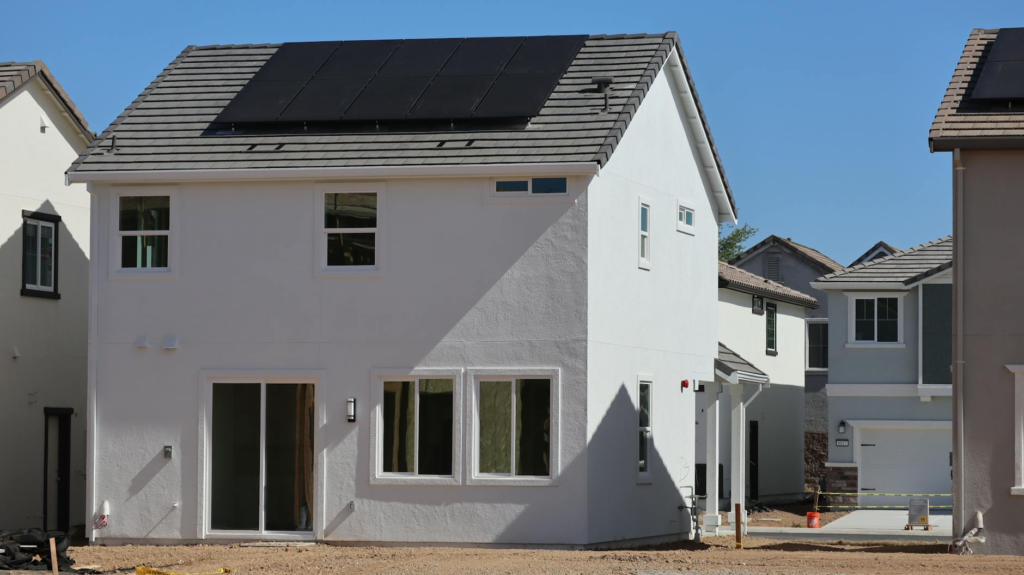
In addition, smart home integration is becoming commonplace, allowing homeowners to monitor production, consumption, and storage in real time via mobile apps. This data-driven approach enables precise energy management, further optimizing savings and reducing waste. By adopting these emerging tools, you not only enhance the immediate benefits of solar but also set a foundation for continuous improvement as technology advances.
For residents of Panama City and Pensacola, where the sun shines generously year after year, the alignment of financial, environmental, and lifestyle advantages makes solar an essential component of any comprehensive homeownership strategy. By understanding and leveraging solar homeownership benefits, you can secure a more stable financial future, increase your property’s value, and contribute to a sustainable community.
Conclusion: Embracing solar energy is more than an eco‑friendly choice; it’s a strategic move that strengthens long‑term homeownership goals. From measurable cost savings and increased resale value to greater resilience against power disruptions, the solar homeownership benefits are clear and compelling. Whether you’re a first‑time buyer or a seasoned homeowner in Panama City or Pensacola, now is the ideal time to explore solar solutions that align with your financial plans and lifestyle aspirations.
