



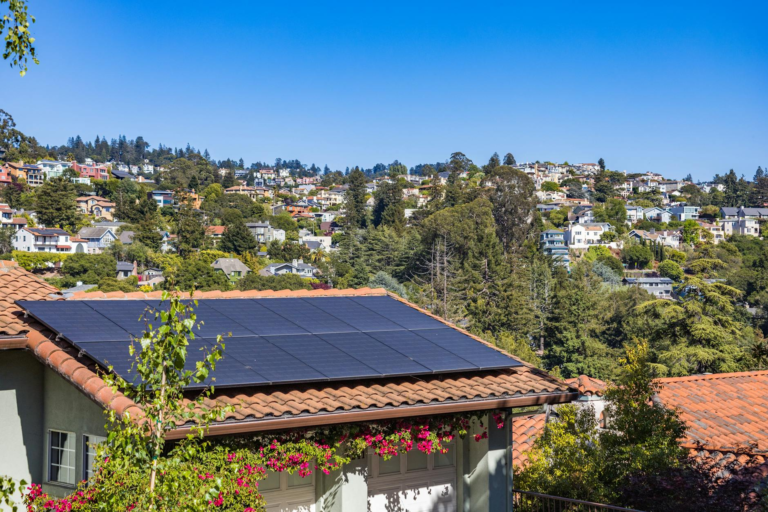
Understanding Solar Information Overload for Homeowners
When a homeowner in Destin or Panama City decides to explore solar energy, the first thing they encounter is a flood of data. From technical specifications and financing options to state incentives and installer reviews, the sheer volume of information can feel overwhelming. This phenomenon—often called solar information overload homeowners experience—can turn an exciting opportunity into a source of anxiety. In this article, we’ll unpack why an excess of data slows decision‑making, how it specifically affects families in the Florida Gulf Coast, and what practical steps can be taken to cut through the noise and make a confident, informed choice.
Find us here:
Why Too Much Data Paralyzes Decision‑Making
Psychologists refer to this as “analysis paralysis.” When the brain is presented with more than a handful of variables, it struggles to prioritize, leading to indecision. For solar‑seeking homeowners, the variables include panel efficiency, inverter type, roof orientation, financing versus cash purchase, net‑metering rules, and a constantly changing list of state and local rebates. Each piece of information may be accurate, but together they create a cognitive overload that makes it hard to see the clear path forward. The result is often a delayed project, missed incentive deadlines, or even abandoning solar altogether.
Common Sources of Solar Information Overload
- Technical jargon in manufacturer brochures (e.g., “temperature coefficient” and “degradation rate”).
- Conflicting advice from multiple installers or online forums.
- Complex financing terms such as Power Purchase Agreements (PPAs), leases, and loans.
- Variable state incentives that change annually or even quarterly.
- Endless reviews and ratings on third‑party websites.
Each of these sources adds a layer of complexity. When homeowners try to evaluate every detail, they may spend weeks or months gathering data, only to feel more confused than when they started. The key is to recognize which pieces of information are truly essential for the decision and which are peripheral.
Impact on Homeowners in Destin and Panama City
The Gulf Coast of Florida presents a unique solar landscape. High solar irradiance, strong sea breezes, and a growing awareness of climate resilience make solar a compelling choice. Yet, the local market also brings its own set of challenges that amplify information overload. Homeowners must navigate county‑specific permitting processes, hurricane‑grade equipment requirements, and a competitive installer market that often markets itself with aggressive sales tactics.
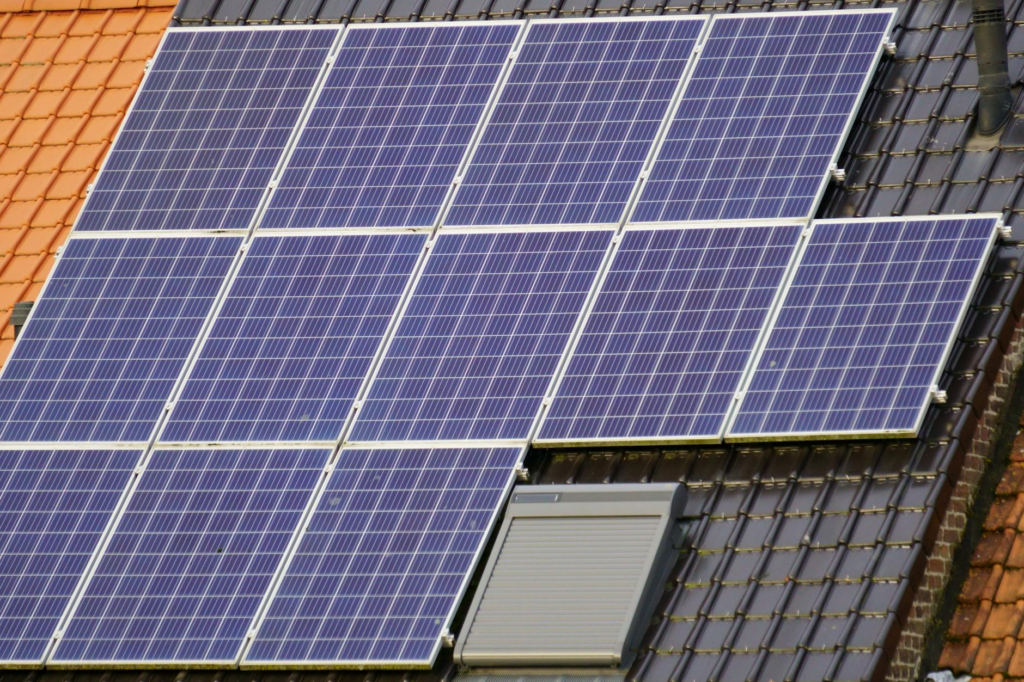
When solar information overload homeowners in these areas try to compare quotes, they may encounter wildly different assumptions about roof lifespan, shading analysis, and projected energy production. Without a clear framework, it’s easy to misinterpret a higher upfront price as a red flag, when it might actually reflect a more durable, hurricane‑rated system that could save money in the long run.
Case Study: The “Three‑Quote” Dilemma
Imagine a family in Panama City who receives three proposals from local installers. Quote A emphasizes a low‑cost panel with a 20‑year warranty, Quote B offers a premium, hurricane‑rated panel with a 25‑year warranty, and Quote C presents a mid‑range system with an attractive lease option. Each quote includes a separate spreadsheet of projected savings, financing terms, and incentive calculations. The homeowners spend days parsing the numbers, cross‑checking state rebate eligibility, and reading online reviews for each installer. By the end of the week, they feel more uncertain than before they started.
This scenario illustrates how the combination of technical data, financial models, and marketing language can overwhelm even well‑intentioned homeowners. The solution lies in simplifying the decision framework, focusing on the most impactful factors, and using trusted resources to verify information.
Key Factors to Prioritize Over Information Quantity
Rather than trying to master every detail, homeowners should zero in on a handful of critical criteria that directly affect system performance, cost, and longevity. By narrowing the focus, the decision‑making process becomes more manageable and less prone to paralysis.
- Energy Production Potential: Look at the installer’s shading analysis and estimated annual kilowatt‑hour (kWh) generation based on your specific roof orientation.
- Financial Viability: Compare the total installed cost after incentives, the payback period, and the expected return on investment (ROI) over 20‑25 years.
- Equipment Durability: Prioritize panels and inverters that meet or exceed hurricane‑grade standards for the Gulf Coast.
- Warranty Coverage: Assess both product warranties (typically 10‑25 years) and performance guarantees (often 25‑30 years).
- Installer Reputation: Verify licensing, insurance, and local references rather than relying solely on online star ratings.
These five pillars form a concise checklist that helps cut through the noise. When you evaluate each quote against this checklist, you can quickly see which offers align with your priorities and which are simply overloaded with extraneous data.
Practical Steps to Reduce Solar Information Overload
Below is a step‑by‑step guide designed specifically for homeowners in the Destin‑Panama City area. Following these actions will help you streamline research, avoid common pitfalls, and move confidently toward a solar installation.
- Set Clear Goals: Define what you want to achieve—lower electricity bills, energy independence, or increased home value.
- Limit Sources: Choose two to three reputable installers with proven experience in coastal Florida. Avoid the temptation to collect every free quote you find online.
- Use a Standardized Spreadsheet: Create a simple table (or ask your installer to fill one out) that captures the five key factors listed above for each proposal.
- Consult Local Experts: Speak with a solar‑savvy real‑estate agent or a home‑energy auditor who understands regional permitting and hurricane requirements.
- Schedule a Decision Deadline: Set a realistic timeline (e.g., three weeks) to review proposals, ask follow‑up questions, and make a final choice.
By imposing structure on the research process, you transform a chaotic influx of data into a focused evaluation. This approach also helps you stay within incentive windows, which often expire at the end of the calendar year.
Simple Comparison Table: What to Look For
| Criterion | What to Compare |
|---|---|
| Energy Production | Estimated annual kWh, shading analysis, roof orientation |
| Cost After Incentives | Total price minus state/local rebates and federal tax credit |
| Durability | Hurricane‑rated panels, inverter warranty length |
| Financial Terms | Cash purchase vs. loan vs. lease, interest rates, payback period |
| Installer Reputation | Licensing, insurance, local references, BBB rating |
This table provides a quick visual reference that can be filled out for each quote. By focusing on these core elements, you avoid getting sidetracked by peripheral details such as marketing slogans or overly technical specifications that have little impact on your bottom line.
How to Leverage Trusted Resources Without Overloading
There are reputable tools and organizations that can help simplify your research. The Database of State Incentives for Renewables & Efficiency (DSIRE) offers a concise list of Florida-specific rebates. The Florida Solar Energy Center provides unbiased performance data for panels tested in local conditions. Additionally, many local utility companies publish net‑metering calculators that let you estimate savings with just a few inputs.
When using these resources, treat them as single‑point references rather than exhaustive research stations. For example, pull the current state rebate amount from DSIRE once, then apply it across all quotes. This prevents the need to repeatedly verify the same data and reduces the risk of contradictory information.
Balancing DIY Research with Professional Guidance
While it’s empowering to gather information yourself, a seasoned solar consultant can act as a filter, translating technical specs into plain language and highlighting which data points matter most for your situation. When you engage a consultant, ask them to focus on the five key factors and to provide a concise summary rather than a full technical dossier.
Long‑Term Benefits of Cutting Through the Noise
By streamlining the decision‑making process, homeowners not only accelerate project timelines but also improve the quality of their investment. A clear, well‑informed choice leads to better system performance, higher satisfaction, and a smoother interaction with local utilities during interconnection. Moreover, early adoption allows you to lock in current incentive rates, which are projected to decrease as solar becomes more mainstream.
In the broader community, reducing information overload can accelerate the regional transition to renewable energy, supporting local grid resilience and contributing to Florida’s climate goals. Each homeowner who makes a confident, timely decision adds momentum to the collective effort.
Final Thoughts on Managing Solar Information Overload
For homeowners in Destin and Panama City, the path to solar power is littered with data, but it doesn’t have to be a maze. By recognizing the pitfalls of solar information overload homeowners often face, prioritizing a concise set of criteria, and using structured tools like the comparison table above, you can transform confusion into clarity. Set clear goals, limit your sources, and rely on trusted local expertise to guide you. In doing so, you’ll not only avoid decision paralysis but also secure a solar system that delivers lasting value for years to come.
In conclusion, the key to successful solar adoption lies in simplifying the information flow, focusing on what truly matters, and taking decisive action within incentive windows. By applying the strategies outlined in this article, homeowners can confidently navigate the solar landscape and reap the benefits of clean, affordable energy.
