



Understanding the Shift Toward Solar as Infrastructure
Homeowners in Tallahassee and Crestview are no longer viewing solar panels as a trendy add‑on; they see them as a critical component of their property’s long‑term infrastructure. This perspective change is driven by a combination of rising electricity rates, increased resilience needs, and the clear financial upside that comes from treating solar as an investment rather than a luxury. When a family decides to make a solar infrastructure investment home, they are essentially future‑proofing their residence against utility volatility while also adding tangible value to the real estate asset.
Find us here:
Solar Cost Calculator – Florida Panhandle Only
* Estimate based on $3.25 per watt for solar installation.
* For Tesla Powerwall 3 Batteries, $15,000 for the first battery, $12,000 for each additional battery.
* Other variations and types of Batteries are available.
Economic Drivers Behind Solar Infrastructure
The economics of solar have matured dramatically over the past decade. Federal tax credits, state rebates, and utility‑scale net‑metering programs have lowered the effective cost of a system by up to 40 %. Moreover, the average lifespan of modern photovoltaic (PV) panels now exceeds 30 years, providing a reliable revenue stream through reduced energy bills. For a homeowner, this translates into a predictable, long‑term reduction in operating costs, making the solar infrastructure investment home model financially compelling.

Lower Utility Rates and Inflation Protection
Electric utilities in the Florida panhandle have been raising rates at an average of 3–4 % annually. By installing a solar system, homeowners lock in a portion of their electricity costs at today’s rates, effectively creating an inflation hedge. This protection is especially valuable for families on fixed incomes, who can count on the stability that a well‑designed solar setup provides.
Increased Property Value
Multiple studies have shown that homes equipped with solar panels sell for 3–5 % more than comparable properties without them. Real‑estate appraisers now routinely factor the presence of a solar system into the overall valuation, recognizing it as a permanent improvement. When a homeowner makes a solar infrastructure investment home, they are simultaneously enhancing their living environment and boosting resale potential.
Financing Options That Support Long‑Term Investment
One of the biggest hurdles for adopting solar has historically been the upfront cost. However, a variety of financing mechanisms have emerged that align with the infrastructure mindset. These include zero‑interest loans, power purchase agreements (PPAs), and property‑assessed clean energy (PACE) financing. Each option spreads the cost over the system’s productive life, ensuring that the cash flow benefits begin almost immediately after installation.
- Zero‑interest loans: Borrow the full system cost and repay over 10–20 years with no interest, turning the solar purchase into a true infrastructure investment.
- Power purchase agreements: Pay only for the electricity generated, with the provider owning the equipment.
- PACE financing: Repay through property taxes, which can be transferred to new owners if the home is sold.
When evaluating these options, homeowners should calculate the levelized cost of electricity (LCOE) for each scenario. A lower LCOE indicates a more efficient financial structure, reinforcing the notion that a solar infrastructure investment home is not just an expense, but a strategic asset.
Local Factors in Tallahassee and Crestview
The Tallahassee and Crestview regions enjoy an average of 250 sunny days per year, providing ample solar irradiance to maximize system output. Additionally, local utility companies have adopted favorable net‑metering policies that credit excess generation at near‑retail rates. These regional advantages make the solar infrastructure investment home model especially attractive for residents seeking long‑term resilience.
Resilience Against Weather Events
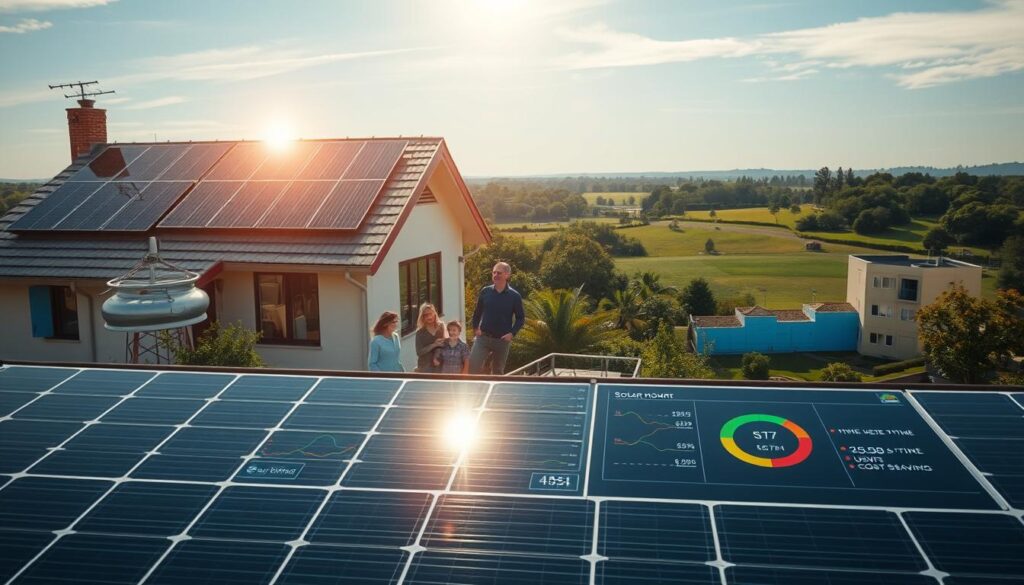
Both cities are prone to severe thunderstorms and occasional hurricanes. By pairing solar panels with battery storage, homeowners can maintain essential power during grid outages. This capability transforms the solar installation from a cost‑saving measure into a critical component of home safety and continuity.
Key Steps for Homeowners to Make the Investment
Turning a house into a solar‑ready property involves several deliberate steps. Below is a practical roadmap that guides homeowners from initial assessment to final commissioning.
- Site Assessment: Evaluate roof orientation, shading, and structural integrity.
- Energy Audit: Determine current consumption patterns to size the system appropriately.
- Financial Analysis: Compare financing options and calculate payback periods.
- Choose a Qualified Installer: Look for certifications such as NABCEP and local references.
- Permitting and Interconnection: Navigate city permits and utility agreements.
- Installation and Commissioning: Ensure proper mounting, wiring, and system testing.
Following this process ensures that the solar system integrates seamlessly with the home’s existing infrastructure, delivering maximum returns over its lifespan.
Comparing Costs and Returns: A Quick Reference
| Metric | Typical Range |
|---|---|
| Initial System Cost (per kW) | $2,500 – $3,200 |
| Average Payback Period | 5 – 7 years |
| System Lifespan | 30+ years |
This table illustrates why many homeowners view solar as an infrastructure investment rather than a short‑term expense. The relatively short payback period, combined with a three‑decade operational life, aligns with the long‑term planning horizon of a typical homeowner.
Future Outlook: Solar as a Core Component of Home Infrastructure
Looking ahead, advancements in panel efficiency, battery technology, and smart‑grid integration will only enhance the value proposition of solar. As municipalities adopt stricter building codes that encourage renewable energy, the solar infrastructure investment home will become a standard expectation rather than an optional upgrade. Homeowners who act now position themselves at the forefront of this transition, securing both financial and environmental benefits for decades to come.
Conclusion
For residents of Tallahassee and Crestview, treating solar as essential infrastructure makes sense economically, environmentally, and strategically. By understanding the financial incentives, leveraging local advantages, and following a clear implementation roadmap, homeowners can transform their properties into resilient, value‑adding assets through a well‑planned solar infrastructure investment home.
