

Understanding Early Efficiency Drops in New Solar Installations
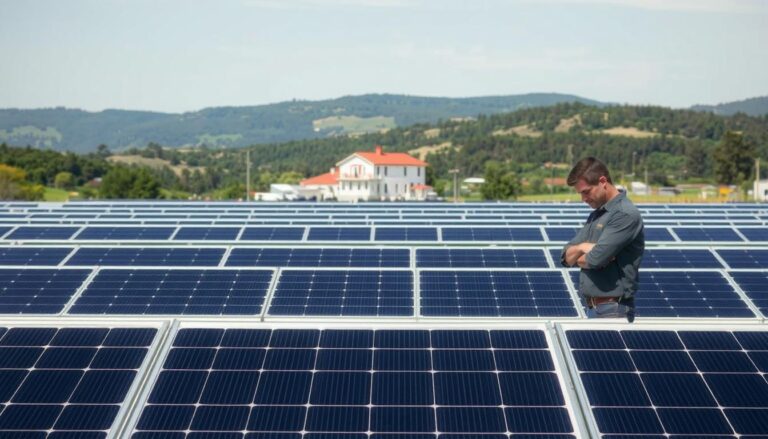
When a brand‑new solar array is commissioned in places like Panama City or Pensacola, owners often notice a subtle dip in the system’s output during the first few weeks of operation. This isn’t a sign of faulty equipment; it’s a natural, scientifically documented phenomenon known as light induced degradation solar. By recognizing why this early‑stage loss occurs, installers, engineers, and homeowners can set realistic performance expectations and plan appropriate monitoring strategies.
Find us here:
Solar Cost Calculator – Florida Panhandle Only
* Estimate based on $3.25 per watt for solar installation.
* For Tesla Powerwall 3 Batteries, $15,000 for the first battery, $12,000 for each additional battery.
* Other variations and types of Batteries are available.
What Is Light Induced Degradation?
Light induced degradation, commonly abbreviated as LID, refers to a permanent reduction in a photovoltaic (PV) cell’s efficiency caused by exposure to sunlight. The process begins almost immediately after the panels receive their first photons. During this initial exposure, certain impurities and crystal defects within the silicon lattice react with the light, creating recombination centers that diminish the cell’s ability to convert photons into electricity. The result is a modest but measurable loss—typically between 1 % and 3 % of the panel’s rated power.
Why New Panels Are More Susceptible
Newly manufactured modules contain trace amounts of metallic contaminants, such as boron‑oxygen complexes, that are dormant until they encounter sunlight. In the first few days of operation, these complexes become electrically active, creating the so‑called “light induced degradation solar” effect. Over time, the reaction stabilizes, and the panels settle into a new, slightly lower efficiency baseline. Older panels have already undergone this transition, which is why the phenomenon is most noticeable in freshly installed systems.
The Science Behind Light Induced Degradation Solar
At the microscopic level, silicon wafers are doped with boron to create p‑type material. When these wafers are exposed to ultraviolet (UV) radiation, oxygen atoms that have been incorporated during the crystal growth can bond with boron atoms, forming boron‑oxygen (BO) defects. These defects act as deep‑level traps that capture charge carriers, increasing the recombination rate and reducing the cell’s open‑circuit voltage. This process is what scientists refer to as light induced degradation solar, and it is largely irreversible, cementing the importance of accounting for it during system design.
Factors Influencing the Magnitude of LID
- **Silicon Quality** – Higher‑purity silicon wafers exhibit lower BO defect concentrations, resulting in less LID.
- **Manufacturing Process** – Advanced passivation techniques and careful control of oxygen levels can mitigate the formation of BO complexes.
- **Temperature During Installation** – Elevated temperatures can accelerate defect formation during the initial light exposure.
- **UV Spectrum Intensity** – Regions with stronger UV radiation, such as the Gulf Coast, may experience slightly higher early‑stage losses.
- **Panel Architecture** – Bifacial modules and those with anti‑reflective coatings can show different LID profiles compared to traditional mono‑silicon panels.
How Manufacturers Mitigate Light Induced Degradation
Leading PV manufacturers have invested heavily in research to reduce the impact of light induced degradation solar. Techniques include hydrogen passivation, which neutralizes dangling bonds, and the use of low‑oxygen silicon ingots that limit BO defect formation. Some producers also employ post‑fabrication annealing processes that “heal” existing defects before the panels leave the factory floor. These innovations have helped bring the average LID loss down to the lower end of the historical 1‑3 % range, making modern installations more reliable from day one.
Real‑World Impact: Panama City & Pensacola Installations
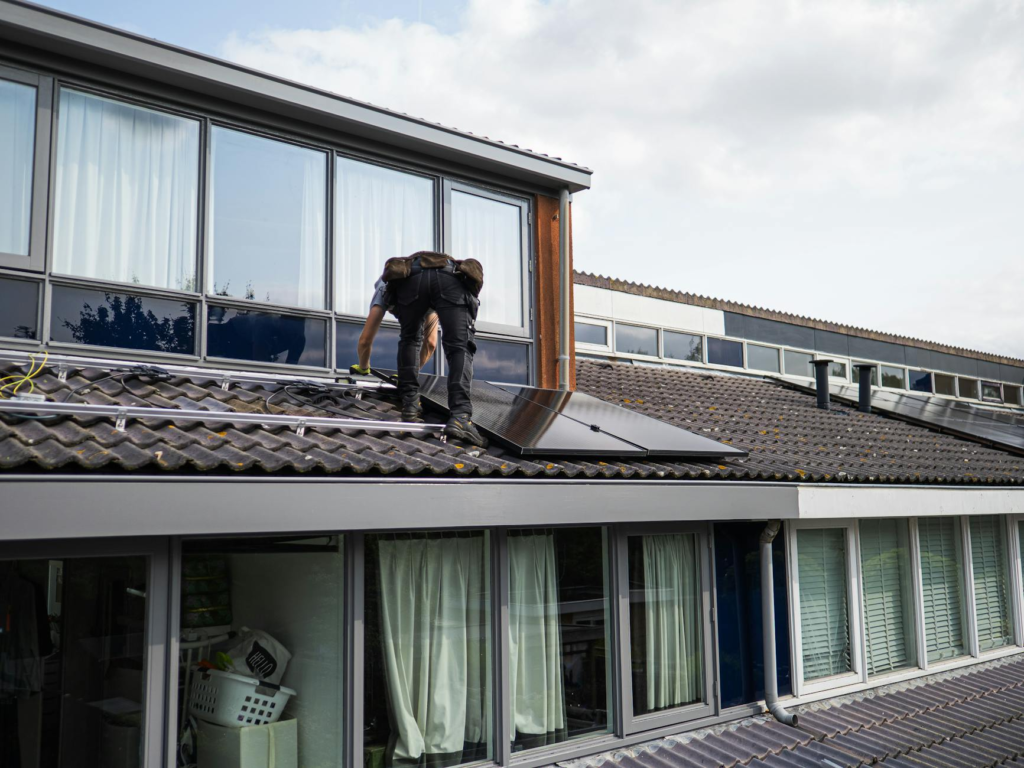
In the sunny climates of Panama City and Pensacola, new solar farms and residential arrays have reported early‑stage efficiency dips that align with the expected light induced degradation solar profile. For a 500 kW commercial system, a 2 % loss translates to roughly 10 kW of power that appears “missing” during the first month. While this may seem significant, the loss stabilizes quickly, and the long‑term performance projections remain robust. Understanding this pattern helps developers avoid premature troubleshooting and reassures customers that the observed dip is a normal part of the panel’s lifecycle.
Monitoring and Managing LID Over Time
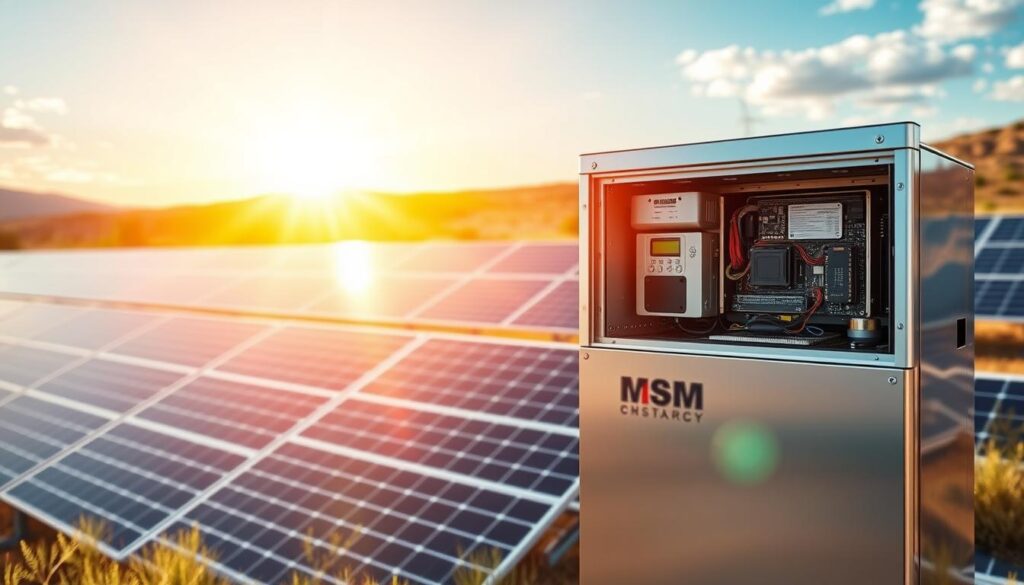
Effective performance monitoring starts with baseline measurements taken before the panels receive full sunlight exposure. By logging the output during the first 48‑hour window and comparing it to the manufacturer’s rated capacity, owners can quantify the exact light induced degradation solar effect for their specific installation. Modern monitoring platforms allow for trend analysis, making it easy to spot any deviations beyond the expected LID range, which could indicate other issues such as shading, inverter problems, or wiring faults.
Quick Reference Table
| Factor | Typical Impact on LID (%) |
|---|---|
| Silicon Purity | 0.5 % – 1 % |
| Manufacturing Process | 0.3 % – 0.8 % |
| Installation Temperature | 0.1 % – 0.4 % |
| UV Intensity (Gulf Coast) | 0.2 % – 0.5 % |
Best Practices for Homeowners and Installers
- Schedule a performance check within the first two weeks to capture the initial light induced degradation solar baseline.
- Choose modules from manufacturers that publish LID specifications and have proven low‑defect processes.
- Ensure panels are installed in a manner that minimizes excessive heat buildup during the first exposure period.
- Utilize monitoring software that can flag performance trends deviating from the expected LID curve.
- Educate clients that a small early‑stage efficiency drop is normal and does not indicate a defect.
Conclusion
Light induced degradation solar is an inherent characteristic of modern silicon photovoltaic technology, especially noticeable in brand‑new panels across sunny regions like Panama City and Pensacola. By understanding the science, recognizing the factors that influence its magnitude, and employing diligent monitoring, installers and homeowners can confidently manage the early efficiency dip and enjoy the long‑term benefits of a reliable solar investment.
