



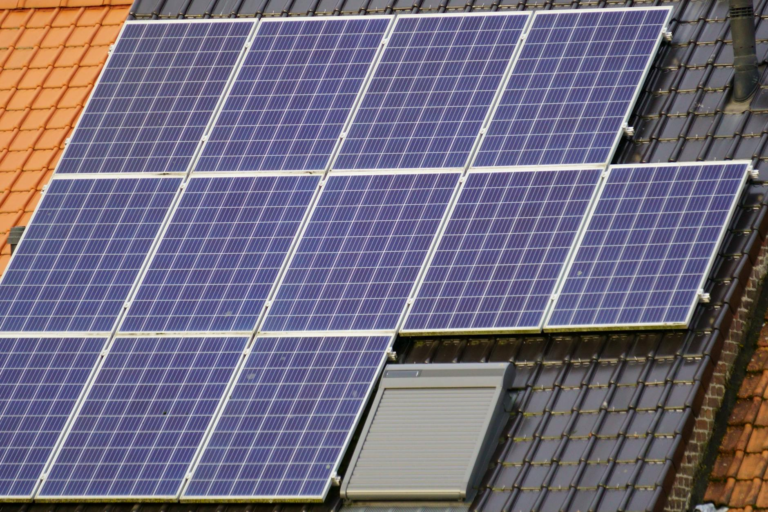
In recent years the Florida Panhandle has witnessed a noticeable shift in how families think about power. The combination of rising electricity rates, a growing awareness of climate impact, and a surge in remote‑work opportunities has created a perfect storm for solar adoption. For many, the decision to install panels is no longer purely financial—it’s intertwined with broader lifestyle changes that reflect a desire for independence, resilience, and a cleaner future. When solar lifestyle changes homeowners across the region evaluate their options, they consider everything from daily energy use patterns to long‑term home value goals. This article explores the specific lifestyle trends shaping solar decisions in the Panhandle and offers practical guidance for those ready to make the switch.
Find us here:
Solar Cost Calculator – Florida Panhandle Only
* Estimate based on $3.25 per watt for solar installation.
* For Tesla Powerwall 3 Batteries, $15,000 for the first battery, $12,000 for each additional battery.
* Other variations and types of Batteries are available.
Why the Florida Panhandle Is a Hotspot for Solar
The Panhandle enjoys an average of 250 sunny days per year, providing abundant daylight that translates directly into higher photovoltaic output. But sunshine alone doesn’t tell the whole story. State policies, such as the Florida Renewable Energy Portfolio Standard, and local utility incentives make the economics of solar more attractive than ever. Moreover, the region’s relatively low population density means many homes sit on larger lots, offering ample roof space for panel arrays. As a result, solar lifestyle changes homeowners are seeing a clearer path to offsetting a larger portion of their electricity bills while also boosting their property’s market appeal.
Remote Work and Energy Consumption
Since the pandemic, remote work has become a permanent fixture for a significant portion of the workforce in the Panhandle. Home offices, dedicated conference rooms, and upgraded Wi‑Fi equipment have collectively increased daytime electricity demand. Unlike traditional 9‑to‑5 schedules that push most consumption to the evening, remote workers now draw power during peak sunlight hours. This shift aligns perfectly with solar generation, allowing households to consume the electricity they produce in real time, reducing reliance on the grid and minimizing demand‑charge fees. For solar lifestyle changes homeowners, the ability to match production with usage is a compelling reason to invest in a system that can adapt to a flexible work‑from‑home routine.
Home Renovations and Energy‑Efficient Upgrades
Renovation projects have surged as families spend more time at home, prompting upgrades that improve comfort and efficiency. From installing high‑performance windows to adding attic insulation, these improvements lower overall energy demand. When homeowners pair these upgrades with solar panels, the synergy multiplies savings. A well‑insulated home retains the heat generated by solar thermal systems, while energy‑efficient appliances reduce the load on the inverter. Consequently, solar lifestyle changes homeowners who coordinate renovations with solar installations often see a faster return on investment, as the reduced consumption amplifies the impact of each kilowatt‑hour produced.
Financial Flexibility and Incentive Awareness
Financial considerations remain at the core of any major home improvement decision. In the Panhandle, the availability of federal tax credits, state rebates, and utility‑specific net‑metering programs has broadened the pool of eligible homeowners. Many families now opt for zero‑down financing or power‑purchase agreements, which spread the cost over the system’s lifespan and align payments with monthly savings. Understanding these options is crucial; when solar lifestyle changes homeowners recognize that upfront costs can be mitigated, the barrier to entry drops dramatically, encouraging a broader demographic to explore solar solutions.
Environmental Values Driving Purchasing Decisions
Beyond economics, a growing segment of Panhandle residents are motivated by environmental stewardship. Community groups, local schools, and coastal preservation initiatives have raised awareness about the region’s vulnerability to sea‑level rise and extreme weather events. For many, adopting solar is an act of personal responsibility that aligns with a desire to reduce carbon footprints and protect the natural beauty of the Gulf Coast. When solar lifestyle changes homeowners view their panels as a tangible contribution to climate resilience, the emotional satisfaction adds a layer of value that transcends pure financial calculations.
Case Study: A Typical Panhandle Household
Consider a four‑person family living in a 2,300‑square‑foot home in Pensacola. Prior to installing solar, their average monthly electric bill hovered around $250, with peaks reaching $350 during summer months when air‑conditioning demand surged. After completing a home‑energy audit, they upgraded their insulation, swapped out old appliances for Energy Star models, and added a 7.5‑kilowatt photovoltaic system financed through a zero‑down loan.
Before Solar
The family’s energy consumption peaked at 1,200 kilowatt‑hours per month during July and August. Their reliance on the grid meant they were subject to variable rate structures, and they experienced occasional brownouts during heat waves. The high utility bills limited discretionary spending, prompting the household to postpone other home improvement projects.
After Solar
Post‑installation, the solar array generates an average of 900 kilowatt‑hours per month, covering roughly 75 % of the home’s usage. Net‑metering credits offset the remaining 300 kilowatt‑hours, dropping the monthly bill to under $80. The family now enjoys a predictable, low‑cost energy bill, freeing up funds for a backyard remodel and a new electric vehicle. Their experience illustrates how solar lifestyle changes homeowners can translate lifestyle upgrades into measurable financial benefits.
Common Concerns and How They’re Resolved
- Will my roof need repairs before installation? Most installers perform a thorough assessment and can coordinate repairs as part of the project.
- What about maintenance? Solar panels require minimal upkeep—usually just occasional cleaning and a yearly inspection.
- How does shading affect performance? Advanced design software models shading throughout the year, allowing installers to optimize panel placement.
- Will I lose power during a storm? Battery storage options provide backup power, and many systems are engineered to shut down safely during extreme weather.
- Is the investment worth it? With current incentives and rising electricity rates, most Panhandle homeowners see payback periods of 6‑9 years.
Addressing these concerns head‑on helps solar lifestyle changes homeowners move from curiosity to confidence. By partnering with reputable installers who offer warranties and post‑installation support, families can mitigate perceived risks and focus on the long‑term advantages of clean, self‑generated power.
The Role of Community Programs
Local governments and non‑profit organizations in the Panhandle have launched programs that make solar adoption more accessible. Community solar farms allow renters or owners of shaded properties to purchase a share of a larger array and receive credit on their utility bill. Additionally, neighborhood workshops hosted by utility companies educate residents on financing options, net‑metering rules, and best practices for maintenance. When solar lifestyle changes homeowners tap into these collective resources, they benefit from shared knowledge and economies of scale that reduce overall costs.
Future Trends: Smart Home Integration
The next wave of solar adoption will be driven by intelligent energy management systems. Smart thermostats, load‑shifting appliances, and AI‑powered energy dashboards enable homeowners to align consumption with real‑time solar output. For example, a smart water heater can be programmed to heat during peak sunlight hours, while a home battery stores excess generation for evening use. As these technologies become more affordable, solar lifestyle changes homeowners will experience an even tighter feedback loop between lifestyle choices and energy production, maximizing savings and comfort.
Quick Comparison of Lifestyle Shifts
| Lifestyle Shift | Impact on Solar Adoption |
|---|---|
| Remote work increases daytime load | Higher self‑consumption of solar generation |
| Home renovation improves efficiency | Reduces overall demand, accelerating ROI |
| Financial incentives & financing | Lowers upfront cost, broadening buyer pool |
| Environmental consciousness | Boosts willingness to invest despite payback period |
This snapshot highlights how each lifestyle change creates a distinct advantage for solar. By recognizing these connections, solar lifestyle changes homeowners can prioritize actions that reinforce one another, creating a holistic approach to sustainable living.
Tips for Homeowners Ready to Go Solar
1. Conduct a detailed energy audit to understand current consumption patterns.
2. Evaluate roof orientation, shading, and structural integrity before selecting a system size.
3. Research all available incentives, including federal tax credits, state rebates, and utility net‑metering policies.
4. Compare financing models—leases, power‑purchase agreements, and loans—to find the best fit for your cash flow.
5. Choose an installer with a strong local reputation and transparent warranty terms.
6. Consider adding a battery storage solution if you want backup power during outages.
7. Integrate smart home devices to maximize self‑consumption and further reduce utility bills.
By following these steps, solar lifestyle changes homeowners can transition smoothly, ensuring that their investment aligns with both current needs and future aspirations for a resilient, eco‑friendly household.
In conclusion, the evolving lifestyle patterns of Florida Panhandle residents—remote work, home improvements, financial savvy, and a growing environmental ethic—are driving a remarkable rise in solar adoption. When homeowners understand how these shifts intersect with the benefits of photovoltaic technology, they can make informed decisions that deliver lasting financial savings, increased energy independence, and a meaningful contribution to a sustainable future.
