




Understanding the Importance of Solar Load Calculation for Homeowners
When homeowners consider switching to solar power, the first question that often arises is, “How big of a system do I need?” The answer lies in a thorough solar load calculation. This process determines the exact amount of electricity a household consumes and translates that into the size and number of solar panels required. For solar load calculation homeowners, this step is not just a formality—it is the foundation of a successful, efficient, and cost‑effective solar installation.
Skipping or simplifying this analysis can lead to undersized systems that fall short during peak usage, or oversized arrays that waste money and space. In regions like Tallahassee and Panama City, where sunlight patterns and seasonal temperature swings differ, precise calculations become even more critical to capture the full potential of the sun while avoiding unnecessary expenses.
Find us here:
Solar Cost Calculator – Florida Panhandle Only
* Estimate based on $3.25 per watt for solar installation.
* For Tesla Powerwall 3 Batteries, $15,000 for the first battery, $12,000 for each additional battery.
* Other variations and types of Batteries are available.
What Is a Solar Load Calculation?
A solar load calculation is a detailed assessment of a home’s electrical demand. It examines historic utility bills, appliance usage, lighting, heating and cooling loads, and even future lifestyle changes. By converting these data points into kilowatt‑hours (kWh) per day, the calculation provides a clear picture of the energy a solar system must generate to meet the homeowner’s needs.
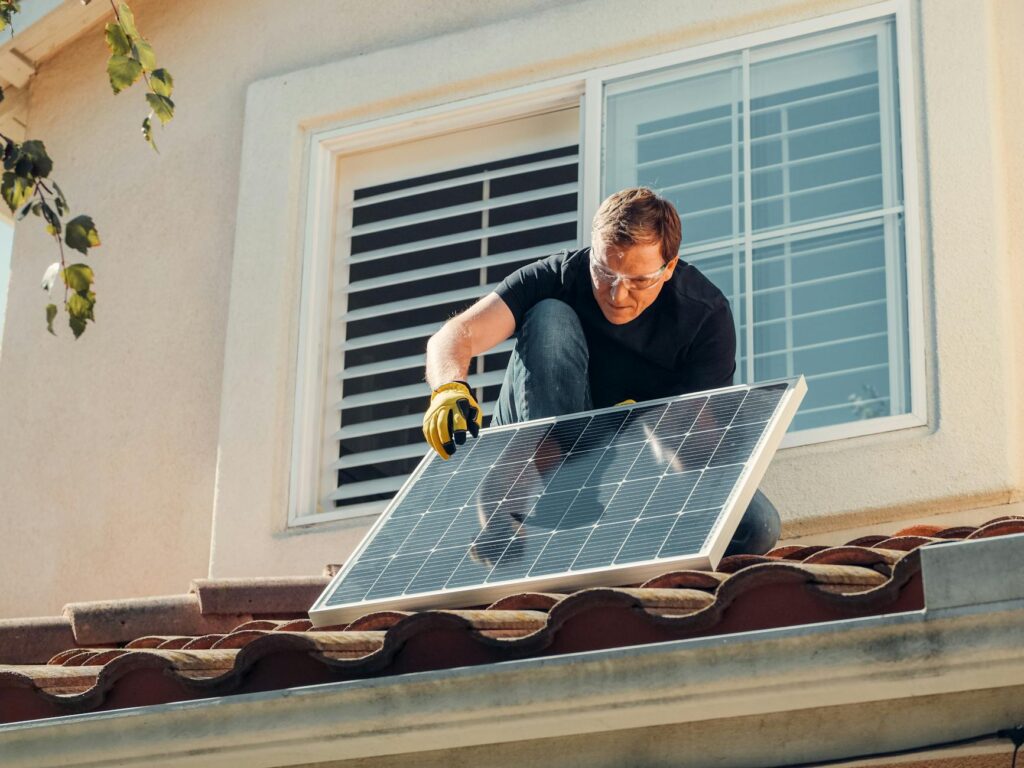
For solar load calculation homeowners, the process typically involves three core components:
- Gathering past electricity usage data (usually the last 12 months of bills).
- Analyzing the home’s physical characteristics, such as roof orientation, shading, and available square footage.
- Applying local solar irradiance values to estimate how much power each square foot of panel can produce.
Why Accuracy Matters
Accurate calculations ensure that the solar array is sized correctly for the household’s consumption patterns. An oversized system may generate excess electricity that the grid cannot absorb, leading to lost credits and reduced return on investment. Conversely, an undersized system forces homeowners to rely on the grid more often, diminishing the environmental and financial benefits of solar power.
Critical Benefits of a Proper Solar Load Calculation
For solar load calculation homeowners, the advantages of a meticulous assessment extend beyond simple sizing. Below are the key benefits that illustrate why this step cannot be overlooked.
- Optimized Financial Returns: Accurate sizing maximizes the payback period by aligning production with consumption.
- Regulatory Compliance: Many local utilities and incentive programs require documented load calculations before approving interconnection.
- System Longevity: Properly sized components experience less stress, extending inverter and panel lifespans.
- Energy Independence: Homeowners achieve a higher self‑consumption rate, reducing reliance on fluctuating grid rates.
Step‑by‑Step Guide for Homeowners
Below is a practical roadmap that solar load calculation homeowners can follow, whether they choose a professional installer or a DIY approach.
- Collect Utility Bills: Gather the last 12 months of electricity statements to capture seasonal variations.
- Identify Major Loads: List high‑consumption devices such as HVAC systems, water heaters, electric vehicles, and pool pumps.
- Measure Roof Space: Determine the usable, unobstructed area on the roof, taking note of orientation (south‑facing is ideal in the Northern Hemisphere).
- Calculate Daily Average Use: Divide the total annual kWh by 365 to find the average daily consumption.
- Apply Local Solar Irradiance: Use data from the National Renewable Energy Laboratory (NREL) or local weather stations for Tallahassee and Panama City.
- Factor in System Losses: Account for inefficiencies such as inverter loss (≈5%), wiring loss (≈2%), and temperature derating.
- Determine Panel Quantity: Divide the adjusted daily kWh need by the expected daily output per panel (usually 1.2–1.5 kWh per 300 W panel in sunny climates).

Typical Household Energy Use – A Quick Reference
The table below provides a snapshot of common household appliances and their average daily energy consumption. Solar load calculation homeowners can use this as a starting point before gathering precise utility data.
| Appliance / System | Average Daily Consumption (kWh) |
|---|---|
| Central Air Conditioning (8 hrs) | 8.0 |
| Electric Water Heater | 3.5 |
| Refrigerator | 1.2 |
| LED Lighting (30 bulbs) | 0.9 |
| Clothes Dryer | 2.5 |
| Electric Vehicle (30 mi/day) | 7.5 |
These figures are averages; actual usage will vary based on home size, climate, and personal habits. For homes in Tallahassee, where cooling dominates summer months, the air conditioning load can be significantly higher. In Panama City, the coastal humidity may increase dehumidifier usage, which should also be reflected in the calculation.
Common Mistakes to Avoid
- Relying solely on the utility bill’s “average” without accounting for peak months.
- Ignoring shading from trees, neighboring structures, or roof vents that reduce panel output.
- Overlooking future energy needs, such as adding an electric vehicle charger or expanding home office equipment.
- Using generic solar irradiance values instead of location‑specific data for Tallahassee or Panama City.
Each of these errors can skew the solar load calculation, leading to a system that fails to meet expectations. Homeowners who take the time to verify each factor will experience smoother installation and better performance over the system’s lifespan.
Regional Considerations: Tallahassee vs. Panama City
While both Tallahassee and Panama City enjoy abundant sunshine, subtle climatic differences affect solar generation. Tallahassee’s inland location brings hotter summer days and a higher cooling load, whereas Panama City’s coastal setting introduces more humidity and occasional sea‑breeze cooling, which can slightly improve panel efficiency due to lower ambient temperatures.
Solar load calculation homeowners in these areas should incorporate local weather patterns into their assessments. For example, using the NOAA solar insolation maps, Tallahassee averages about 5.0 kWh/m²/day, while Panama City averages around 4.8 kWh/m²/day. Adjusting the panel output estimate by these figures ensures that the system is neither over‑ nor under‑designed.
Choosing the Right Professional
Even tech‑savvy homeowners may prefer to enlist a certified installer. When vetting contractors, ask to see a detailed solar load calculation report. Reputable installers will provide a breakdown of each load component, the assumptions used, and the software tools applied (such as Aurora, PVSyst, or Helioscope).
For solar load calculation homeowners, transparency is key. A clear, documented analysis not only builds trust but also ensures that any future warranty claims or system upgrades have a solid baseline to reference.
DIY Tools and Resources
There are several reputable online calculators that can guide homeowners through the load assessment process. While these tools are valuable for preliminary estimates, they often lack the nuance of a professional site survey. If you decide to go DIY, consider the following steps:
- Use the U.S. Energy Information Administration (EIA) residential energy consumption survey as a benchmark.
- Download the NREL PVWatts Calculator for location‑specific solar production data.
- Employ shading analysis apps like Solar Pathfinder or Solmetric SunEye to map roof obstructions.
Remember, the goal is to create a robust solar load calculation that stands up to scrutiny from utilities, lenders, and future resale assessments. Even a DIY approach should culminate in a written report that you can share with installers or financing partners.
Frequently Asked Questions
Do I need a new load calculation if I add an electric vehicle?
Yes. Adding an EV can increase daily consumption by 5–10 kWh, depending on mileage. Updating the solar load calculation ensures the system can accommodate this new demand without compromising performance.
Can I rely on a generic calculator for my Tallahassee home?
Generic calculators provide a ballpark figure but often miss location‑specific shading, roof pitch, and seasonal usage spikes. For accurate sizing, a tailored solar load calculation is essential.
How often should I revisit my load calculation?
Re‑evaluate the calculation every 3–5 years or whenever you make significant changes to your home’s energy profile, such as adding a pool, upgrading HVAC, or installing an EV charger.
Conclusion
For solar load calculation homeowners, taking the time to perform a precise assessment is the single most important step toward a successful solar transition. By understanding daily energy use, accounting for regional climate nuances, and avoiding common pitfalls, you can design a system that maximizes savings, meets regulatory requirements, and delivers reliable clean energy for years to come.
