



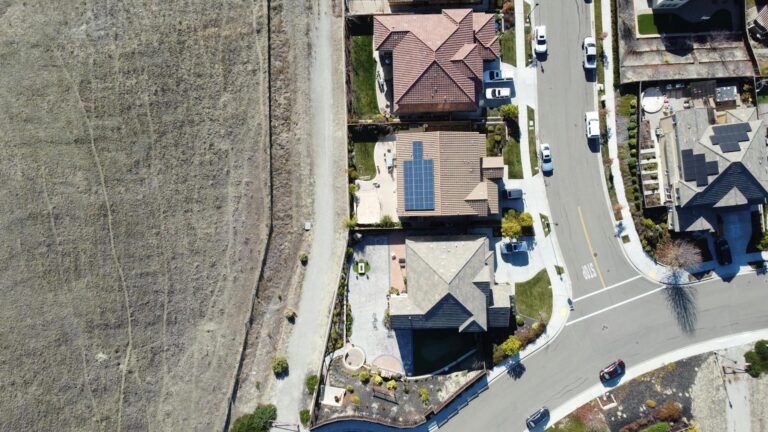
Understanding the Rise of Solar in Home Planning
Across the Florida Panhandle, homeowners are rethinking how they design, build, and upgrade their residences. One of the most significant shifts is the integration of solar energy into long‑term home planning. While the idea of installing rooftop panels has been around for decades, the strategic use of solar as a core component of a property’s future value and resilience is gaining momentum. This change is driven by a mix of economic incentives, climate realities, and evolving buyer expectations. When you search for solar long term home planning florida, you’ll discover a growing body of resources that explain why solar is no longer an afterthought but a foundational element of modern home strategy.
Find us here:
Solar Cost Calculator – Florida Panhandle Only
* Estimate based on $3.25 per watt for solar installation.
* For Tesla Powerwall 3 Batteries, $15,000 for the first battery, $12,000 for each additional battery.
* Other variations and types of Batteries are available.
Financial Incentives Make Solar an Attractive Investment
Florida offers a robust suite of financial benefits that make solar installations more affordable than ever. The federal Investment Tax Credit (ITC) currently allows homeowners to claim 30 % of the system cost on their federal taxes, and the credit is set to phase down gradually over the next decade. At the state level, the Florida Solar Energy System Incentive Program provides rebates that can offset up to $1,000 for qualifying residential projects. Additionally, many local utilities in the Panhandle have net‑metering agreements that let homeowners sell excess electricity back to the grid at retail rates, effectively turning the roof into a small power plant.
When evaluating solar long term home planning florida, it’s essential to factor in these incentives early in the budgeting process. By accounting for tax credits, rebates, and potential utility credits, homeowners can reduce the upfront cost by 40 % or more, dramatically shortening the payback period and boosting the overall return on investment.
Climate Advantages Specific to the Panhandle
The Florida Panhandle receives an average of 5.5 kilowatt‑hours of sunlight per square meter each day, making it one of the sunniest regions in the United States. This abundant solar resource translates directly into higher energy production for residential systems. Moreover, the region’s mild winter temperatures improve panel efficiency, as photovoltaic cells operate more effectively in cooler conditions.
Beyond the sheer amount of sunshine, solar panels provide a buffer against the increasing frequency of power outages caused by hurricanes and severe storms. By pairing solar with battery storage, homeowners can maintain essential electricity during grid disruptions, protecting both comfort and safety. This resilience factor is a key consideration in solar long term home planning florida, especially for families that prioritize continuity of power for medical equipment or home office setups.
How Solar Enhances Property Value Over Time
Multiple studies have shown that homes equipped with solar systems sell for a premium compared to comparable properties without solar. In Florida, the average resale premium ranges from 3 % to 5 % of the home’s value, depending on the size of the system and its age. Buyers are increasingly educated about the long‑term cost savings and environmental benefits that solar offers, making it a strong selling point during negotiations.
Integrating solar into long‑term home planning not only boosts market appeal but also provides a tangible, quantifiable asset. The system’s lifespan—often 25 to 30 years—means that future owners can reap the financial benefits long after the original homeowner’s mortgage is paid off. This aligns perfectly with the goals of solar long term home planning florida, where the emphasis is on creating lasting value rather than short‑term gains.
Strategic Design for Future Solar Expansion
Planning Roof Space and Orientation
When you incorporate solar into the early stages of home design, you can optimize roof orientation, tilt, and shading to maximize energy production. South‑facing roofs with minimal obstructions capture the most sunlight throughout the year. If the initial system is sized for current needs, leaving additional unobstructed space allows for easy expansion as energy demands grow or as battery technology improves.
Integrating Solar with Smart Home Systems
Modern smart home platforms can seamlessly integrate solar generation data, battery storage status, and utility rates to automate energy usage. By planning for smart home compatibility from the outset, homeowners can ensure that future upgrades—such as adding electric vehicle (EV) chargers or advanced HVAC controls—work harmoniously with the solar system. This foresight is a cornerstone of solar long term home planning florida, where technology and sustainability intersect.
Choosing the Right Solar System for Your Home
Not all solar installations are created equal. The two primary categories are photovoltaic (PV) panels that convert sunlight directly into electricity and solar thermal systems that capture heat for water heating or space heating. For most Florida homeowners, PV panels paired with a battery backup provide the most versatile solution, delivering electricity for lighting, appliances, and even EV charging.
When selecting a system, consider the following factors:
- System size in kilowatts (kW) based on current and projected energy usage.
- Panel efficiency ratings and warranty terms.
- Inverter type (string vs. micro‑inverter) and its impact on performance.
- Battery capacity and expected cycle life if storage is desired.
- Installer reputation, local experience, and post‑installation support.
Working with a reputable installer who understands the nuances of solar long term home planning florida can help you balance upfront costs with future scalability. Many installers offer performance guarantees that ensure the system will meet a minimum production threshold over its first ten years, providing added peace of mind.
Maintenance, Longevity, and Warranty Considerations
Solar systems are designed for durability, with most panels carrying a 25‑year performance warranty and inverters typically warrantied for 10‑12 years. Regular maintenance—such as cleaning panels to remove dust, bird droppings, or salt spray in coastal areas—helps maintain optimal efficiency. In the Panhandle, the occasional hurricane can deposit debris on rooftops, so a post‑storm inspection is advisable.
When planning for the long term, factor in the cost of potential inverter replacement and battery degradation. Many homeowners allocate a modest portion of their annual budget to a “solar reserve fund” that covers these predictable expenses, ensuring the system remains financially viable throughout its lifespan.
Comparing Florida Solar Incentives
| Incentive Type | Amount / Details |
|---|---|
| Federal Investment Tax Credit (ITC) | 30 % of system cost (phases down after 2025) |
| State Rebate (Florida Solar Energy System Incentive) | Up to $1,000 per residential installation |
| Net‑Metering | Credit for excess generation at retail utility rates |
| Property Tax Exemption | Added solar value not included in property tax assessment |
This table highlights the key financial tools available to Florida homeowners who are serious about solar long term home planning florida. By stacking these incentives, many families achieve a net‑zero or even negative payback period, turning solar from a cost center into a revenue‑generating asset.
Frequently Asked Questions About Solar and Home Planning
- Will solar increase my home insurance premiums? Most insurers view solar as a safety improvement, and any premium increase is typically minimal.
- Can I sell my home with a leased solar system? Yes, but it’s best to transfer the lease to the buyer or buy out the lease before selling to avoid complications.
- How does solar affect my mortgage? Many lenders consider solar as an asset, and in some cases, it can improve loan terms due to lower projected utility costs.
- Do I need a permit to install solar in the Panhandle? Yes, local building departments require permits; reputable installers handle the paperwork for you.
- What happens if I move before the system’s warranty expires? Warranties are typically transferable, ensuring the new homeowner retains coverage.
These questions reflect common concerns among homeowners who are integrating solar into their long‑term plans. Addressing them early helps smooth the decision‑making process and keeps the focus on the strategic benefits of solar.
Why Solar Is Essential for Long‑Term Home Planning in Florida
Putting solar at the heart of your home’s future is no longer a niche choice; it’s becoming a mainstream strategy for resilience, financial stability, and environmental stewardship. In the Florida Panhandle, the combination of generous incentives, abundant sunshine, and a growing market of eco‑conscious buyers creates a perfect storm for solar adoption. By weaving solar into the fabric of long‑term home planning, you position your property to thrive in a changing energy landscape while enjoying immediate savings and long‑term appreciation.
Whether you’re building a new home, renovating an existing one, or simply looking to upgrade your energy system, the principles of solar long term home planning florida provide a roadmap to a more sustainable and financially secure future.
Embracing solar today means you’re not just reducing your carbon footprint—you’re investing in a home that will serve you and future generations with reliable, affordable power for decades to come.
Conclusion: Solar energy has transitioned from a novelty to a cornerstone of strategic home planning in Florida. By leveraging incentives, optimizing design, and choosing the right technology, homeowners can secure long‑term financial benefits, increase property value, and enhance resilience against power outages. Incorporating solar into your long‑term home plan today ensures a brighter, more sustainable tomorrow.
