


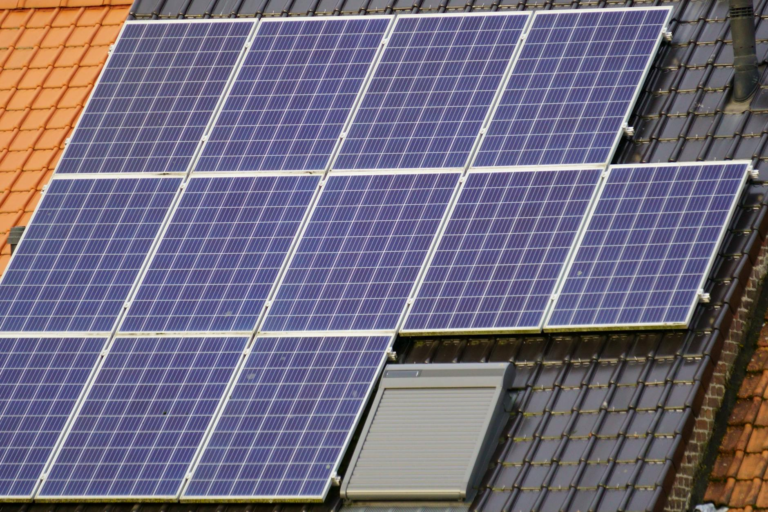
When homeowners in Pensacola, Crestview, and Tallahassee decide to add solar panels, the conversation often centers on energy savings, incentives, and system size. Yet one of the most critical—and sometimes overlooked—factors is how the mounting system interacts with the roof over the life of the installation. A well‑designed solar mounting roof impact assessment can mean the difference between a roof that lasts for decades and one that needs premature repair or replacement.
Find us here:
Solar Cost Calculator – Florida Panhandle Only
* Estimate based on $3.25 per watt for solar installation.
* For Tesla Powerwall 3 Batteries, $15,000 for the first battery, $12,000 for each additional battery.
* Other variations and types of Batteries are available.
Why Roof Integrity Matters for Solar Installations
Roof integrity is the foundation of any solar project. A compromised roof can lead to water intrusion, mold growth, and structural weakening, which not only diminish the return on investment but also void warranties from both the roofing and solar manufacturers. Understanding the solar mounting roof impact early in the planning stage helps homeowners make informed decisions about mounting methods, flashing techniques, and long‑term maintenance plans.
Different Roof Types and Their Vulnerabilities
In North‑West Florida, the most common residential roofs are asphalt shingles, metal panels, and tile. Each material reacts differently to the pressure and penetration of solar hardware:
- Asphalt shingles: Flexible but prone to cracking if fasteners are overtightened.
- Metal roofs: Durable and non‑porous, yet require special clamps to avoid puncturing the protective coating.
- Tile roofs: Heavy and brittle; drilling can cause cracks that let water seep in.
Because the solar mounting roof impact varies by material, installers must tailor their approach to each roof type, using the correct mounting hardware and sealing methods.
How Solar Mounting Systems Work
Solar panels are attached to the roof through a mounting system that typically includes rails, brackets, and fasteners. The system serves three purposes: it provides a stable platform for the panels, ensures the correct tilt for optimal sun exposure, and distributes the weight of the array across the roof surface. The design of this system directly influences the solar mounting roof impact over time.
Ballasted vs. Penetrating Mounts
There are two primary categories of mounting methods:
- Ballasted mounts: Rely on weight (concrete blocks or metal plates) to hold the system in place without drilling into the roof.
- Penetrating mounts: Use bolts, screws, or rails that are fastened directly through the roofing material into the roof deck.
Both approaches have distinct advantages and potential drawbacks. Ballasted systems eliminate the need for roof penetrations, reducing the immediate risk of leaks, but they add extra load that can stress roof framing. Penetrating mounts provide a more secure attachment and can be engineered to transfer loads evenly, yet each penetration is a potential point of water intrusion if not properly sealed.
Long‑Term Effects of Mounting on Roof Health
Over a typical 25‑year solar panel lifespan, the cumulative solar mounting roof impact can manifest in several ways. Understanding these effects helps homeowners anticipate maintenance needs and plan for eventual roof replacement.
Structural Load and Deflection
Every solar array adds weight—approximately 2 to 4 pounds per square foot. When a ballasted system is used, this weight is distributed across the roof surface, potentially causing sagging or deflection, especially on older or undersized roof trusses. In contrast, penetrating mounts transfer weight directly to the roof deck, which can be beneficial if the deck is structurally sound but may create stress concentrations around fasteners.
Thermal Expansion and Contraction
Florida’s hot, humid climate leads to significant temperature swings. Metal rails and brackets expand and contract, exerting pressure on the surrounding roofing material. Over time, this can cause shingle lift, tile cracking, or sealant failure, all of which are aspects of the solar mounting roof impact that need to be mitigated with flexible mounting components and proper spacing.
Water Infiltration Risks
Even a single improperly sealed penetration can become a leak source. Water can travel behind flashing, corrode fasteners, and eventually damage the roof deck. Ballasted systems avoid this particular risk, but the added weight can push roofing membranes away from the deck, creating micro‑gaps where moisture can accumulate.
Identifying Early Signs of Mounting‑Related Damage
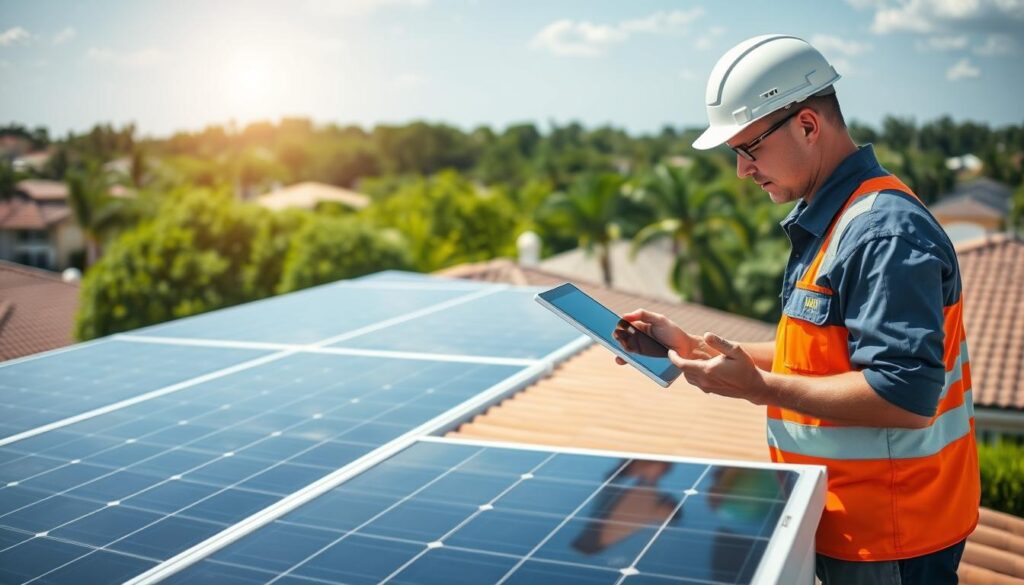
Homeowners should perform visual inspections at least twice a year, preferably after the rainy season and before the summer heat peaks. Look for the following indicators that the solar mounting roof impact may be compromising the roof:
- Loose or missing fasteners.
- Cracked or lifted shingles around mounting brackets.
- Corrosion on metal rails or flashing.
- Water stains on attic ceilings or interior walls.
- Visible gaps between the roof membrane and the mounting hardware.
If any of these signs appear, it’s essential to contact a qualified solar installer or roofing professional promptly to address the issue before it escalates.
Best Practices for Minimizing Solar Mounting Roof Impact in Pensacola, Crestview, and Tallahassee
The Gulf Coast climate presents unique challenges: high humidity, frequent storms, and intense UV exposure. Below are proven strategies to reduce the solar mounting roof impact in these regions.
- Conduct a thorough roof assessment before installation. Verify roof age, structural capacity, and warranty status.
- Choose the appropriate mounting method based on roof material—ballasted for newer metal roofs with adequate load capacity, penetrating for older shingle roofs where proper flashing can be applied.
- Use corrosion‑resistant hardware such as stainless steel or coated aluminum to combat the salty air.
- Incorporate flexible flashings that can accommodate thermal movement without cracking.
- Install a protective underlayment beneath the panels to act as a secondary barrier against water infiltration.
- Schedule regular professional inspections every 3‑5 years, especially after severe weather events.
Comparing Common Mounting Methods
| Mounting Type | Typical Roof Impact | Pros | Cons |
|---|---|---|---|
| Ballasted | Adds uniform load; no penetrations | Quick installation; no roof cuts | Increased roof weight; may cause deck sag |
| Penetrating (Fixed Rails) | Localized load; requires flashing | Secure attachment; distributes weight to deck | Potential leak points; requires skilled sealing |
| Hybrid (Ballast + Limited Penetrations) | Balanced load; fewer penetrations | Reduced weight; minimized leak risk | Complex design; higher material cost |
The table above summarizes how each mounting type influences the solar mounting roof impact. Selecting the right system depends on the specific roof condition, local building codes, and the homeowner’s long‑term maintenance plan.
Maintenance Tips to Preserve Roof Health
Even the best‑designed mounting system benefits from routine care. Follow these maintenance steps to keep the roof and solar array performing optimally for decades:
- Remove debris such as leaves and bird nests from the panel surface to prevent moisture buildup.
- Check the integrity of all fasteners and brackets after major storms.
- Inspect flashings and sealants for cracking or shrinkage; reseal as needed.
- Trim overhanging tree limbs that could fall onto the panels or rub against mounting hardware.
- Schedule a professional roof inspection every 5 years to assess any hidden damage.
By staying proactive, homeowners can avoid costly repairs and ensure that the solar mounting roof impact remains minimal throughout the system’s life.
Choosing the Right Installer for Your Area
Not all installers have the same level of expertise with local roof conditions. When interviewing potential contractors, ask the following questions to gauge their understanding of the solar mounting roof impact:
- Do you have experience with the specific roof type on my home?
- What flashing methods do you use to prevent leaks?
- Can you provide references from recent installations in Pensacola, Crestview, or Tallahassee?
- How do you assess the roof’s load‑bearing capacity before recommending a mounting system?
- Do you offer a warranty that covers both the solar equipment and any roof damage caused by the installation?
Choosing a knowledgeable installer who follows industry best practices is the most effective way to protect your roof while reaping the benefits of solar energy.
Conclusion
Understanding the solar mounting roof impact is essential for homeowners in Pensacola, Crestview, and Tallahassee who want a durable, high‑performing solar system. By selecting the appropriate mounting method, using corrosion‑resistant hardware, and committing to regular maintenance, you can safeguard your roof’s integrity for decades to come. A thoughtful approach today means fewer repairs, longer warranties, and continued energy savings tomorrow.
