



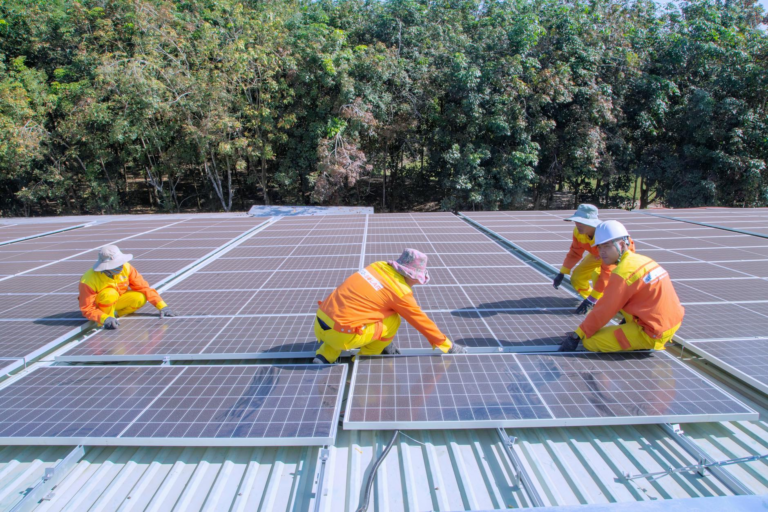
Understanding the Shift: Why Solar Is Becoming a Standard Consideration for New Homebuyers
In the past decade, the real estate market has witnessed a profound transformation driven by evolving consumer preferences, tighter energy regulations, and rapidly decreasing solar technology costs. Today, prospective owners are no longer solely focused on square footage, neighborhood amenities, or school districts; they are also scrutinizing a property’s solar potential. This emerging pattern, often described as solar new homebuyer trends, reflects a growing awareness that clean energy can influence both monthly expenses and long‑term resale value. As more families prioritize sustainability and financial resilience, the question “Does this home have a solar advantage?” has become as commonplace as “What’s the property tax rate?” This article explores the forces behind this shift, the specific benefits for buyers in Tallahassee and Destin, and practical steps to evaluate solar suitability before signing a purchase agreement.
Find us here:

Rising Awareness of Energy Costs and Environmental Impact
Energy bills have long been a hidden expense for homeowners, but recent spikes in electricity rates have thrust them into the spotlight. In Florida, utility rates have risen by an average of 4% annually, and projections indicate continued upward pressure due to grid modernization and climate‑related infrastructure upgrades. As a result, buyers are conducting detailed cost‑of‑ownership analyses that factor in projected utility expenses over a 30‑year horizon. Simultaneously, heightened media coverage of climate change and a surge in environmentally conscious lifestyles have cultivated a market segment that values renewable energy as a core component of responsible homeownership. When combined, these forces have catalyzed the most recent wave of solar new homebuyer trends, where buyers actively seek properties that either already have solar installations or possess the structural and orientation characteristics needed for future panels.
Key Motivations Behind the Trend
- Desire to lock in lower, predictable electricity costs.
- Increasing environmental stewardship and desire for carbon‑neutral living.
- Access to federal, state, and local incentives that improve ROI.
- Recognition that solar can boost home resale value.
Policy Support and Incentives Accelerating Adoption
Government policies have played a pivotal role in shaping the current landscape of solar new homebuyer trends. The Federal Investment Tax Credit (ITC) currently offers a 30% credit on the cost of solar systems installed through 2032, dramatically reducing upfront expenses. Florida’s state-level incentives, though less extensive than some other states, include property tax exemptions for the added value of solar installations and net‑metering rules that allow homeowners to receive credit for excess electricity sent back to the grid. Moreover, local municipalities in Tallahassee and Destin have introduced expedited permitting processes for residential solar projects, cutting installation timelines and administrative overhead. These policy levers collectively make solar a financially attractive option, prompting developers to pre‑wire new construction for solar readiness and encouraging buyers to prioritize solar potential during their home search.
Financial Benefits: Savings, Tax Credits, and ROI
From a pure economics standpoint, solar offers a compelling value proposition. The average residential system in the Tallahassee area, sized at 6 kilowatts, can generate roughly 9,000 kilowatt‑hours per year, offsetting about 70% of a typical household’s electricity consumption. When combined with the ITC and state tax exemptions, the payback period often drops to 6–8 years, after which the system effectively provides free electricity for the remainder of its 25‑year lifespan. For buyers, this translates into a predictable reduction in monthly utility bills, freeing up cash flow for other expenses or investments. The financial upside also extends to resale; multiple studies have shown that homes equipped with solar sell 4%–7% faster and command premiums ranging from $10,000 to $20,000 compared to comparable non‑solar homes. These figures underscore why savvy buyers are embedding solar considerations into their decision‑making process.
Impact on Property Valuation and Marketability
Appraisers and real estate agents are increasingly factoring solar assets into their valuation models. While traditional appraisal methods focused on comparable sales (comps) based on square footage, lot size, and condition, modern appraisal software now includes adjustments for renewable energy systems. In regions with high solar irradiance, such as Tallahassee and Destin, the added value is more pronounced because the return on investment is higher. Moreover, listings that highlight “solar‑ready” or “solar‑equipped” in their marketing copy attract a broader pool of interested buyers, often leading to more competitive offers. The prevalence of solar new homebuyer trends is reshaping the market narrative: homes without solar potential may be perceived as less future‑proof, potentially limiting their appeal to a growing demographic that values energy independence.

Regional Focus: Tallahassee and Destin
Florida’s Panhandle, encompassing Tallahassee and Destin, offers an ideal solar environment due to its high average sun exposure—approximately 5.5 peak sun hours per day. This natural advantage, coupled with a growing local appetite for sustainable living, has intensified the relevance of solar new homebuyer trends in these markets. Tallahassee’s expanding government and university sectors have championed green initiatives, leading to community solar projects and educational campaigns that raise awareness among prospective homeowners. In Destin, a tourism‑driven economy has spurred many vacation‑rental owners to install solar to lower operating costs and attract eco‑conscious guests. Consequently, real estate professionals in both cities report a noticeable uptick in inquiries about solar potential during property tours and online searches.
Comparative Solar Savings in Tallahassee vs. Destin
| Metric | Tallahassee | Destin |
|---|---|---|
| Average Annual Solar Production (kWh) | 9,200 | 9,500 |
| Estimated Annual Savings ($) | 1,350 | 1,400 |
| Typical Payback Period (years) | 7 | 6.5 |
The table above illustrates how slight variations in sunlight and local utility rates can affect the financial outcomes of a residential solar system in each city. While the differences are modest, they reinforce the importance of location‑specific analysis when evaluating a home’s solar suitability—a core component of the emerging solar new homebuyer trends that prioritize data‑driven decisions.
Practical Steps for Buyers Evaluating Solar Potential
For those looking to incorporate solar considerations into their home purchase, a systematic approach can streamline the process and ensure accurate assessments. Below are actionable steps that align with the latest solar new homebuyer trends:
- Assess Roof Orientation and Shading: South‑facing roofs with minimal tree or structural shading generate the highest solar output. Use satellite imagery tools or a professional solar site survey to verify.
- Check Structural Integrity: Ensure the roof can support the weight of solar panels and that the age of the roofing material aligns with the expected lifespan of a solar system.
- Review Local Zoning and HOA Rules: Some homeowners’ associations have aesthetic guidelines that may affect panel placement; confirm compliance before proceeding.
- Calculate Expected Savings: Utilize online solar calculators that factor in local utility rates, average sunlight, and available incentives to estimate the payback period.
- Investigate Existing Installations: If the property already has a solar system, request performance data, warranty information, and any transferable tax credits.
- Engage a Qualified Solar Contractor: A reputable installer can provide a detailed proposal, including system design, permitting timeline, and financing options.
By following these steps, buyers can confidently determine whether a property meets their energy goals and aligns with their financial expectations. Moreover, documenting the solar analysis during negotiations can strengthen a buyer’s position, especially when seeking concessions or price adjustments based on the anticipated energy savings.
Future Outlook: How Solar Will Shape Home Buying in the Next Decade
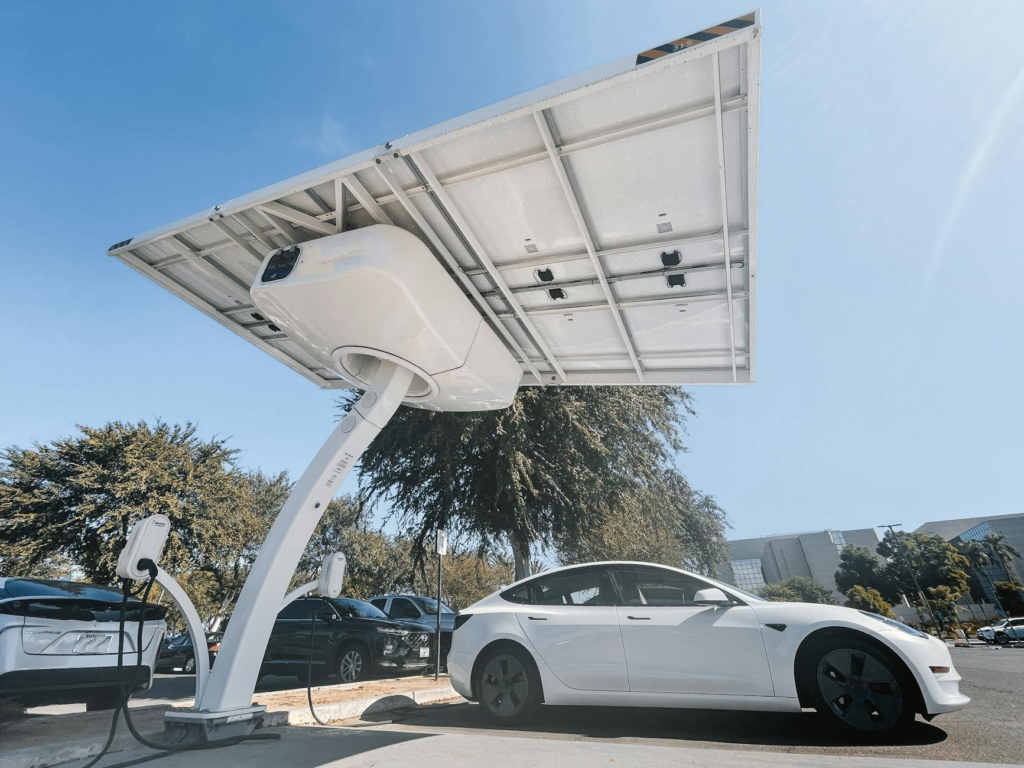
Looking ahead, the momentum behind solar new homebuyer trends shows no signs of slowing. Advances in battery storage technology are set to enhance the value proposition of residential solar by allowing homeowners to store excess generation for use during peak demand periods or outages. Additionally, the anticipated expansion of community solar programs will give renters and those in multi‑family units the ability to reap solar benefits without installing panels on their own roofs. Real estate developers are also responding by integrating solar‑ready designs—such as pre‑wired electrical systems, optimized roof pitches, and dedicated solar carports—into new construction projects. As these innovations become standard practice, the expectation that a home should be evaluated for solar readiness will become as ingrained as checking for proper insulation or HVAC efficiency.
Conclusion
In summary, the convergence of rising energy costs, robust incentive programs, and heightened environmental consciousness has propelled solar into the forefront of homebuyer decision‑making. For residents of Tallahassee and Destin, the abundant sunshine and supportive local policies make solar an especially compelling consideration. By understanding the financial benefits, market impact, and practical evaluation steps, prospective owners can make informed choices that not only reduce their utility bills but also enhance property value and contribute to a greener future. As the trend continues to evolve, embracing solar potential will likely become a baseline expectation for the modern homebuyer.
