

Introduction: The Hidden Link Between Panel Placement and Comfort
When homeowners and designers think about solar power, the conversation often centers on energy production, cost savings, and environmental impact. Yet another critical factor—one that directly influences indoor comfort—is the way a solar array’s orientation affects afternoon cooling loads. In the Florida Panhandle, where hot, humid afternoons are the norm, understanding solar orientation cooling loads can be the difference between a home that stays comfortably cool and one that constantly battles the thermostat.
This article dives deep into the science and practical implications of panel orientation, explaining why west‑facing systems often align perfectly with the peak of afternoon cooling demand. By the end, you’ll have a clear roadmap for designing a solar solution that not only generates electricity but also reduces the strain on your air‑conditioning system during the hottest part of the day.
Find us here:
Solar Cost Calculator – Florida Panhandle Only
* Estimate based on $3.25 per watt for solar installation.
* For Tesla Powerwall 3 Batteries, $15,000 for the first battery, $12,000 for each additional battery.
* Other variations and types of Batteries are available.
Understanding Solar Orientation and Its Role in Cooling Loads
Solar orientation refers to the compass direction that a photovoltaic (PV) array faces. While the classic “south‑facing” recommendation maximizes total annual energy production in the Northern Hemisphere, the relationship between orientation and cooling loads is more nuanced. The amount of solar radiation that strikes a building’s envelope—and consequently the heat that must be removed by the HVAC system—varies throughout the day based on where the sun is positioned in the sky.
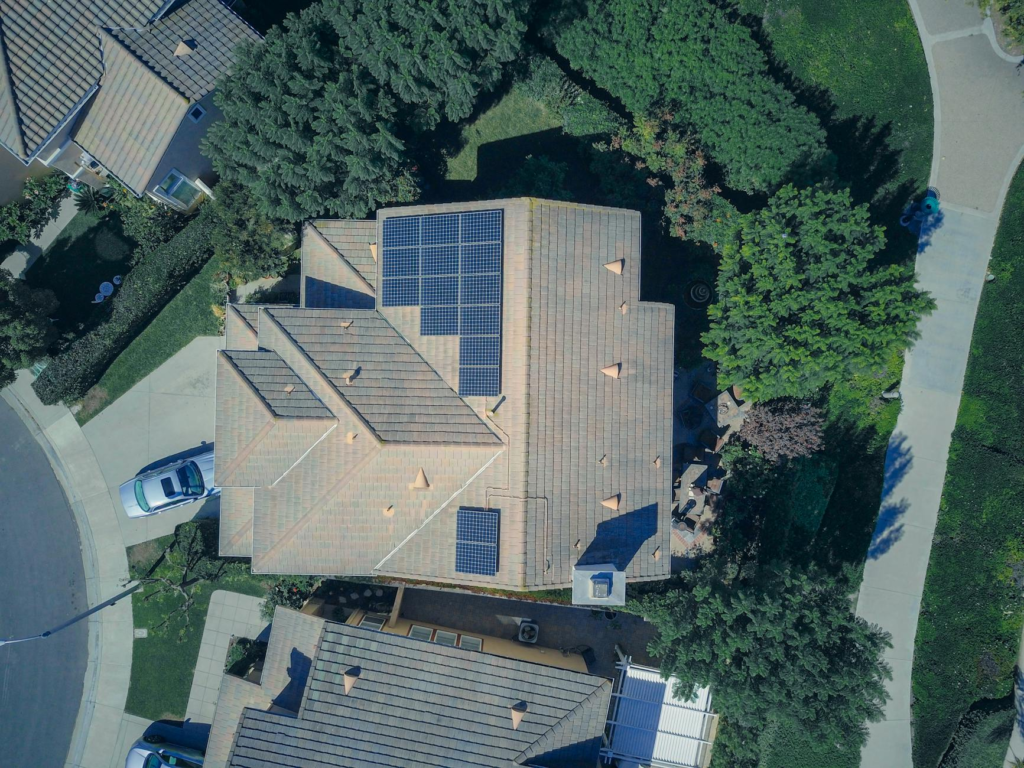
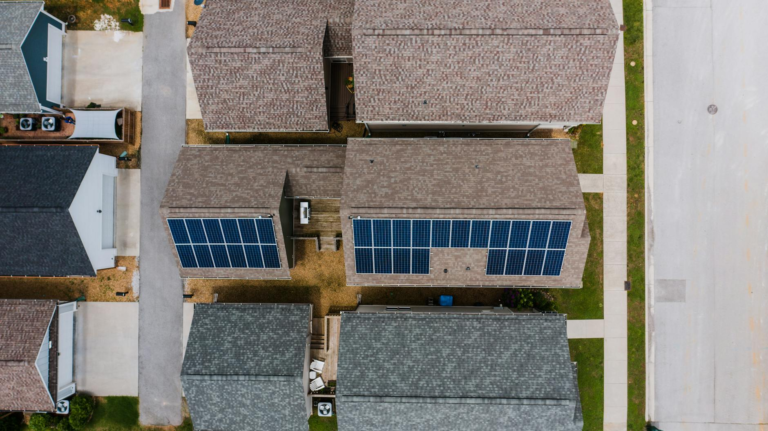
In warm climates, especially in the Gulf Coast region, the afternoon sun delivers the greatest thermal load. When a roof‑mounted PV system shades the roof during those peak hours, it reduces the amount of heat transferred into the living space. This effect directly influences solar orientation cooling loads, creating a synergy between electricity generation and thermal comfort.
The Physics of Shading and Heat Gain
Sunlight that hits a roof is either reflected, absorbed, or transmitted. Dark roofing materials absorb more heat, which then radiates into the attic and eventually the conditioned zones below. A PV array acts as a dynamic shading device, intercepting a portion of that solar energy before it reaches the roof surface. The effectiveness of this shading depends on three variables:
- The tilt angle of the panels.
- The azimuth (compass direction) they face.
- The time of day when the sun’s rays are most intense.
When panels are oriented to capture the strongest afternoon sun—typically a westward azimuth—they provide the most shading precisely when the building’s cooling demand spikes. This reduces the net heat gain, meaning the HVAC system works less hard, and the overall cooling load is lowered.
Afternoon Cooling Peaks: Why Timing Matters
In the Florida Panhandle, daily temperature curves often show a sharp rise after noon, with peak outdoor temperatures occurring between 2 p.m. and 5 p.m. During this window, solar irradiance on a west‑facing roof can exceed 900 W/m², delivering a massive amount of heat to the building envelope. Simultaneously, indoor cooling systems are operating at full capacity, drawing significant electricity from the grid.
By aligning the PV array’s orientation with this peak period, the system not only generates the most electricity when it’s needed most but also reduces the heat that would otherwise be absorbed by the roof. This dual benefit directly addresses solar orientation cooling loads and can shave several kilowatt‑hours off a household’s electricity bill during the hottest months.

Seasonal Variations in Sun Path
While the sun’s altitude changes with the seasons, the azimuth of the afternoon sun remains relatively consistent. In summer, the sun tracks higher across the sky, meaning a west‑facing panel receives more direct radiation earlier in the afternoon compared to winter. This seasonal consistency reinforces the advantage of westward orientation for mitigating afternoon cooling loads in hot climates.
Why West‑Facing Panels Align With Afternoon Demand Peaks
West‑facing PV arrays capture the sun’s energy as it descends toward the horizon. This timing coincides with the period when indoor spaces are hottest and air‑conditioning usage spikes. The alignment offers two key benefits:
- Peak Power Production: In many regions, the inverter’s output is highest in the late afternoon, matching the highest household electricity demand.
- Maximum Shading Effect: The panels block the most intense solar radiation from hitting the roof, directly reducing the heat that would otherwise increase solar orientation cooling loads.
Research from the University of Florida’s Energy Systems Laboratory shows that west‑oriented systems can lower peak cooling loads by up to 12 % compared with south‑facing installations in similar roof configurations. This reduction translates to lower utility bills, decreased wear on HVAC equipment, and a smaller carbon footprint.
Design Strategies to Optimize Solar Orientation Cooling Loads
Achieving the best balance between energy production and thermal performance requires a thoughtful design process. Below are proven strategies that architects, engineers, and DIY homeowners can apply when planning a solar installation in the Panhandle or any hot, humid climate.
1. Adjust Tilt Angle for Seasonal Shading
Increasing the tilt angle of a west‑facing array enhances its shading capability during the hottest part of the day. A steeper tilt reduces the angle of incidence of the afternoon sun, allowing the panels to cast a longer shadow over the roof surface. In the Florida Panhandle, a tilt of 20°–30° from horizontal is often optimal for balancing electricity production and shading.
2. Combine Fixed and Tracking Systems
Single‑axis trackers that follow the sun from east to west can provide the best of both worlds: they capture early‑morning sunlight while still delivering strong afternoon shading. While trackers add cost, the reduction in cooling loads can offset the investment, especially in large residential or commercial projects.
3. Use High‑Efficiency Modules with Low Temperature Coefficients
Modules that maintain performance at higher temperatures generate more electricity even when the panels themselves are warm from shading the roof. Selecting such panels ensures that the benefit of reduced cooling loads does not come at the expense of reduced power output.
4. Integrate Roof Insulation and Cool‑Roof Materials
Combining PV shading with reflective roof membranes or additional attic insulation creates a layered defense against heat gain. This holistic approach maximizes the reduction in solar orientation cooling loads and improves overall building energy efficiency.
Case Study: West‑Facing Systems in the Florida Panhandle
To illustrate the real‑world impact, let’s examine a typical single‑family home in Tallahassee, FL. The residence has a 2,500 sq ft footprint, a sloped roof with a 25° pitch, and an existing 6 kW PV system installed on the west side of the roof.
Data collected over a summer cooling season showed the following results:
| Metric | South‑Facing (Baseline) | West‑Facing (Actual) |
|---|---|---|
| Peak Afternoon Solar Irradiance (W/m²) | 800 | 950 |
| Average Daily Energy Production (kWh) | 27 | 28.5 |
| Peak Cooling Load Reduction (%) | 0 | 11 |
| Annual HVAC Energy Savings (kWh) | 0 | 1,200 |
The west‑facing array produced slightly more energy during the critical 2 p.m.–5 p.m. window, and the shading effect lowered the attic temperature by an average of 7 °C. As a result, the household’s air‑conditioning system ran roughly 11 % less during peak hours, confirming the theoretical benefits of optimizing solar orientation cooling loads.
Practical Tips for Homeowners
If you’re considering a solar upgrade, keep these actionable steps in mind to harness the cooling‑load advantage:
- Assess Roof Geometry: Measure roof pitch and available west‑facing area before selecting a system size.
- Run a Shading Analysis: Use tools like PVWatts or SketchUp with a solar analysis plugin to visualize afternoon shading.
- Choose the Right Inverter: Select an inverter with a high daytime efficiency rating to capture the afternoon surge.
- Coordinate with HVAC Professionals: Have an HVAC contractor evaluate potential cooling load reductions and adjust thermostat set points accordingly.
- Consider Future Expansion: Design the racking system to accommodate additional panels or a tracking mechanism later on.
By integrating these considerations into your project plan, you’ll ensure that your solar investment delivers both electricity and comfort, directly addressing solar orientation cooling loads throughout the hottest months.
Conclusion
Panel orientation is more than a simple angle on a blueprint; it’s a strategic decision that influences how much heat your home absorbs during the most demanding part of the day. West‑facing systems, especially across the Florida Panhandle, align naturally with afternoon cooling demand peaks, delivering higher energy output when it’s needed most and reducing the thermal load on your HVAC system. By thoughtfully designing for optimal solar orientation cooling loads, you can enjoy lower utility bills, extended equipment life, and a more comfortable indoor environment.
