



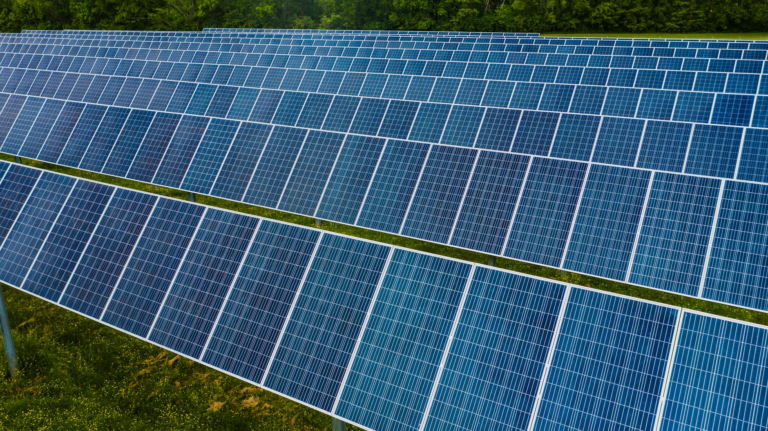
Understanding Solar Panel Tilt and Its Impact
When homeowners and business owners in the Sunshine State invest in solar energy, they often focus on the size of the system, the type of panels, and the installer’s reputation. Yet one of the most critical, yet sometimes overlooked, variables is the angle at which the panels are mounted. The tilt angle determines how much sunlight the panels capture throughout the year, directly influencing energy output, return on investment, and the overall sustainability of the installation. In Florida, where the sun shines almost daily, optimizing tilt can mean the difference between a modest energy contribution and a powerhouse that meets or exceeds annual demand. This article explores how solar panel tilt performance Florida varies across the state’s diverse environments, from the breezy coastlines of Destin to the inland climate of Tallahassee, and provides actionable guidance for achieving peak efficiency year‑round.
Find us here:
Solar Cost Calculator – Florida Panhandle Only
* Estimate based on $3.25 per watt for solar installation.
* For Tesla Powerwall 3 Batteries, $15,000 for the first battery, $12,000 for each additional battery.
* Other variations and types of Batteries are available.
Why Tilt Angle Matters for Solar Production
The sun’s rays strike the Earth at different angles depending on the time of day, season, and geographic latitude. Solar panels generate the most electricity when sunlight hits them perpendicularly. A panel that is too flat will receive less direct sunlight during the winter months, while a panel that is too steep may miss the high‑altitude summer sun. By adjusting the tilt, you align the panels more closely with the sun’s path, maximizing the incident solar radiation that each cell converts into electricity. This principle is at the heart of solar panel tilt performance Florida, where the state’s latitude (approximately 24° to 31° north) offers a relatively high sun angle but still requires careful adjustment to capture the lower winter sun efficiently.
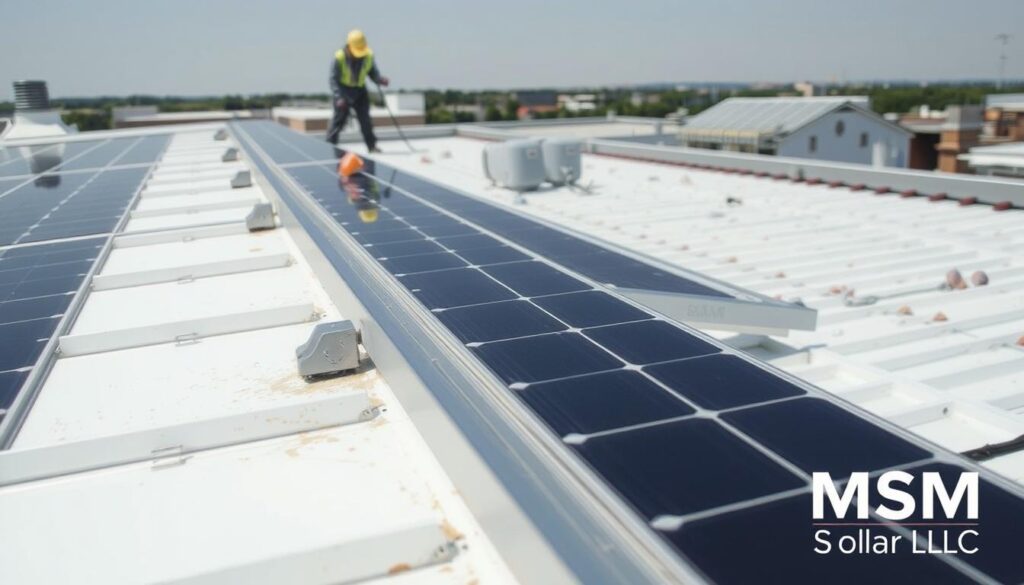
Seasonal Sun Path Differences
During the summer solstice, the sun reaches its highest point in the sky, and panels positioned at a low tilt (close to flat) can capture a large amount of direct sunlight. In contrast, the winter solstice brings the sun lower on the horizon, demanding a steeper tilt to maintain perpendicular exposure. The optimal tilt for a fixed‑angle system is often approximated by the formula: latitude ± 10° (add 10° for winter, subtract 10° for summer). Applying this rule to Florida yields a baseline tilt of roughly 30° to 35°, with adjustments possible for specific locations and roof constraints.
Coastal Destin vs. Inland Tallahassee: Environmental Factors
Florida’s diverse geography creates micro‑climates that affect solar panel tilt performance Florida in distinct ways. Destin, situated on the Gulf Coast, experiences higher humidity, frequent sea breezes, and occasional salt spray, all of which can influence panel temperature and soiling rates. Tallahassee, located inland, endures hotter summer temperatures, more pronounced seasonal temperature swings, and a higher likelihood of dust accumulation from nearby agricultural activity. These environmental nuances mean that the same tilt angle may not deliver identical results in both locations.
In coastal areas like Destin, panels tend to stay cooler due to the moderating effect of sea breezes, which can actually improve efficiency because solar cells operate more effectively at lower temperatures. However, the presence of salt in the air can accelerate corrosion on mounting hardware if not properly treated, making regular maintenance essential. Inland, the higher ambient temperatures in Tallahassee can raise panel temperatures, slightly reducing efficiency, but the absence of corrosive salt allows for more flexible mounting options without the same level of protective coating.
Impact on Angle Selection
Because the sea breeze in Destin can help keep panels cooler, a slightly lower tilt may be acceptable without sacrificing much efficiency, especially during the hot summer months. Conversely, in Tallahassee, a steeper tilt can aid in natural cooling by promoting airflow beneath the panels and reducing the angle of direct sunlight during peak heat, thereby mitigating temperature‑related losses. These subtle adjustments are part of the broader strategy to optimize solar panel tilt performance Florida across the state’s varied environments.
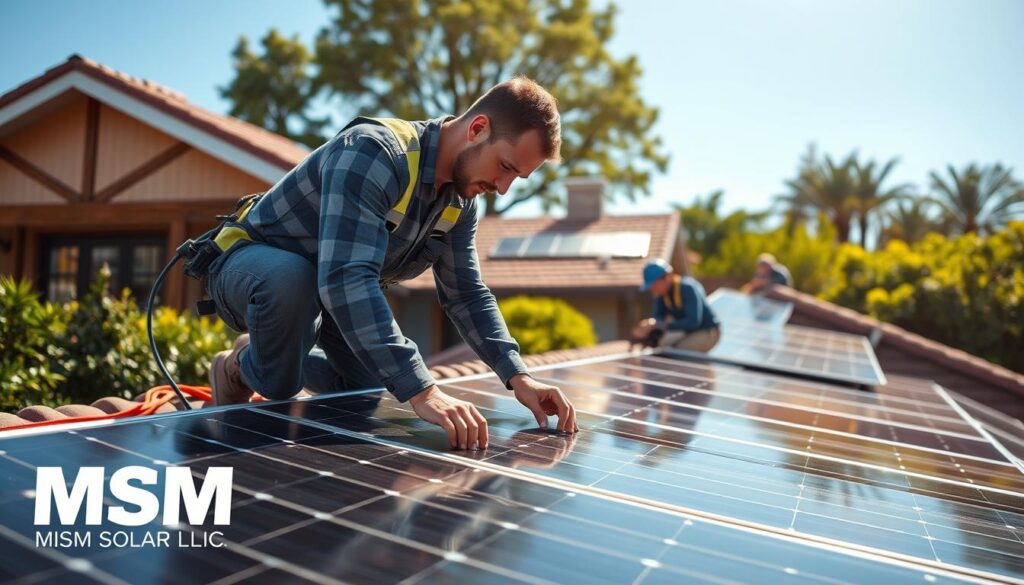
Calculating the Optimal Tilt for Your Site
While the latitude‑based rule provides a solid starting point, several additional factors should be considered when fine‑tuning the angle for a specific installation:
- Roof pitch and structural limitations – The existing roof slope may dictate the maximum feasible tilt without extensive mounting modifications.
- Shading analysis – Trees, neighboring structures, and chimneys can create seasonal shading that changes the ideal angle.
- Orientation – Panels should face true south in the Northern Hemisphere; any deviation may require tilt compensation.
- Energy usage pattern – If a property consumes more electricity in winter (e.g., heating), a steeper tilt may be prioritized.
By inputting these variables into solar design software or consulting with a knowledgeable installer, you can generate a custom tilt recommendation that balances performance, aesthetics, and structural considerations. Remember, the goal is to maximize the annual energy yield, not just the summer output, which is where the phrase solar panel tilt performance Florida truly shines.
Practical Tips for Adjusting Tilt Angles
For many residential installations, the panels are mounted on a fixed‑angle rack that aligns with the roof’s slope. However, there are several practical methods to adjust or fine‑tune the tilt without major renovations:
- Adjustable mounting brackets: These allow a range of tilt angles (typically 10°–45°) and can be set during installation based on the calculated optimal angle.
- Tilting frames: Some manufacturers offer frames that can be manually tilted seasonally, enabling homeowners to adopt a steeper angle in winter and a flatter angle in summer.
- Racking extensions: Adding a short extension to the mounting system can raise the panel’s angle without altering the roof pitch.
- Ground‑mount systems: For properties with sufficient land, ground‑mount arrays provide the greatest flexibility to set the ideal tilt year‑round.
When implementing any of these solutions, it is essential to verify that the mounting hardware is rated for the local wind loads, especially in coastal Destin where hurricane‑strength winds are a real concern. Proper sealing and corrosion‑resistant materials will ensure long‑term durability and preserve the performance gains achieved through optimal tilt.
Common Mistakes That Reduce Efficiency
Even with careful planning, certain missteps can undermine the benefits of a well‑chosen tilt angle. Below are some frequent errors and how to avoid them:
- Setting the tilt too low in an effort to blend with the roof, which diminishes winter output.
- Ignoring seasonal shading from growing trees, leading to reduced sunlight during critical months.
- Using non‑adjustable mounts and then attempting to retrofit a different angle later, resulting in costly structural modifications.
- Failing to account for the higher temperature coefficient of certain panel models, which can exacerbate efficiency loss if panels run too hot.
Addressing these pitfalls early in the design phase helps maintain consistent solar panel tilt performance Florida throughout the lifespan of the system.
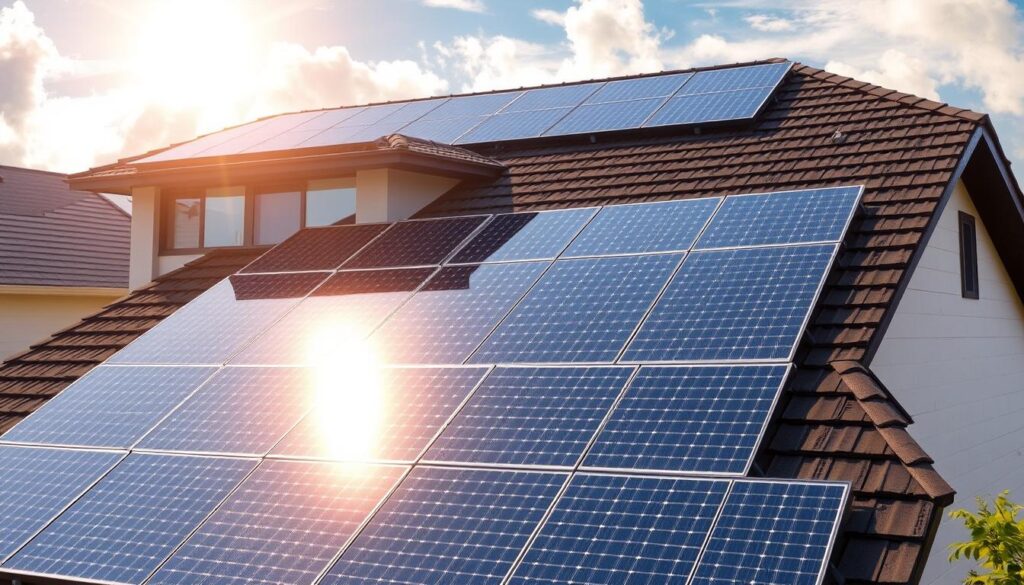
Monitoring and Fine‑Tuning Over Time
After installation, regular monitoring is crucial to verify that the system is delivering the expected energy output. Modern inverters and monitoring platforms provide real‑time performance data, allowing owners to compare actual production against projected figures. If a noticeable shortfall occurs during a particular season, it may indicate that the tilt angle requires adjustment or that shading has become more significant due to vegetation growth.
For fixed‑angle systems, consider a periodic (e.g., annual) review of the tilt setting. In many cases, a simple one‑time adjustment to a more optimal angle can yield a 5%–15% increase in annual generation, which translates into measurable savings on electricity bills. In the context of solar panel tilt performance Florida, this incremental improvement is especially valuable given the competitive nature of solar incentives and net‑metering policies across the state.
Recommended Tilt Angles for Key Florida Locations
| Location | Latitude | Suggested Fixed Tilt (°) | Seasonal Adjustment Note |
|---|---|---|---|
| Destin (Coastal) | 30.4° N | 28°–32° | Lower tilt helps leverage sea‑breeze cooling; consider +5° in winter. |
| Tallahassee (Inland) | 30.4° N | 32°–36° | Steeper angle reduces heat buildup; add +10° for winter months. |
| Miami (Southern) | 25.8° N | 25°–30° | Closer to equator, flatter tilt sufficient; optional +5° in winter. |
The table above summarizes a practical starting point for three representative Florida locales. While the numbers provide a solid baseline, the final decision should reflect roof geometry, structural capacity, and any site‑specific shading concerns.
Conclusion
Optimizing solar panel tilt performance Florida is a blend of science, local climate awareness, and practical installation choices. By understanding how the sun’s path varies throughout the year, accounting for coastal versus inland environmental factors, and selecting the right mounting system, homeowners can unlock higher energy yields and faster payback periods. Whether you reside in the breezy streets of Destin or the hotter interior of Tallahassee, a thoughtfully chosen tilt angle ensures that your solar investment shines bright all year long.
