



Understanding Why Solar Panels Need Little Upkeep
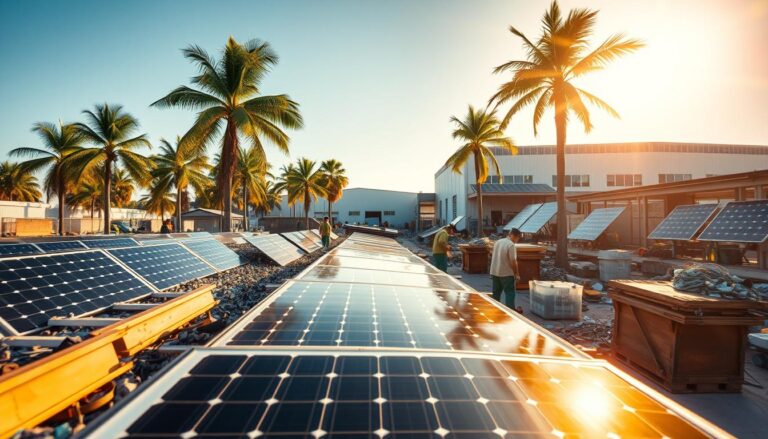
When homeowners in the Panhandle consider installing a photovoltaic system, one of the first questions that comes up is how much time and money they will need to invest in maintaining the equipment. The short answer is that solar panels are designed to operate reliably with very little routine attention. This is especially true for installations in Crestview, Marianna, and Milton, where the local climate and building practices align well with the durability standards of modern solar technology. By exploring the engineering principles, environmental factors, and industry best practices, we can see why solar panel maintenance requirements florida are generally minimal.
Find us here:
Solar Cost Calculator – Florida Panhandle Only
* Estimate based on $3.25 per watt for solar installation.
* For Tesla Powerwall 3 Batteries, $15,000 for the first battery, $12,000 for each additional battery.
* Other variations and types of Batteries are available.
Robust Engineering Reduces the Need for Frequent Service
Solar modules are constructed from tempered glass, anodized aluminum frames, and weather‑resistant encapsulants that protect the cells from moisture, UV radiation, and temperature swings. These components undergo rigorous testing to meet IEC 61730 standards, which certify that the panels can withstand hail impact, high wind speeds, and salt spray—conditions that can be encountered even in inland Florida locations. Because the physical structure is built to resist the elements, there are fewer points of failure that would otherwise demand regular inspections or repairs.
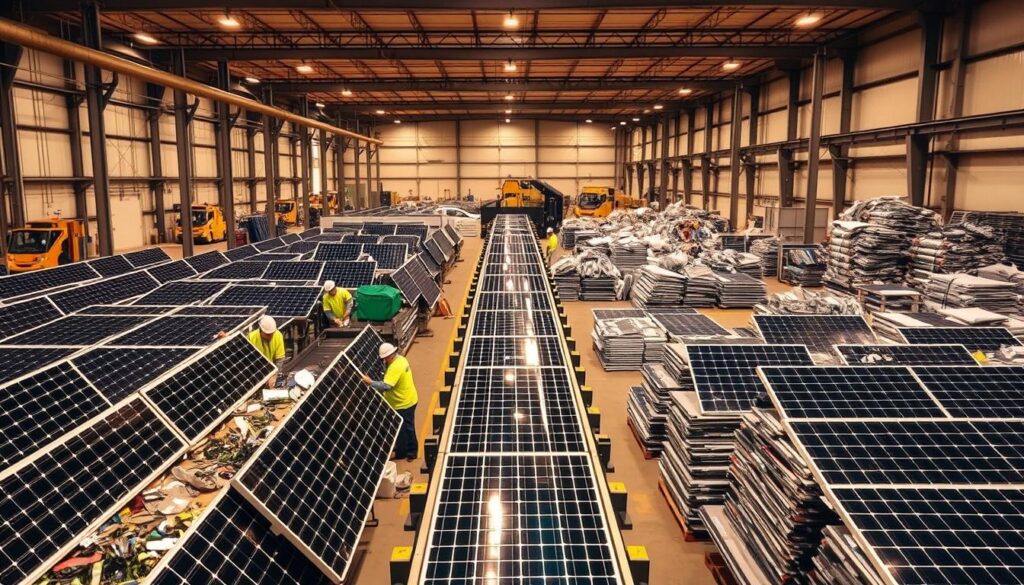
In addition, the electrical architecture of a solar system is designed for longevity. Inverters, which convert DC power to usable AC electricity, now feature advanced monitoring capabilities that alert owners only when a genuine fault occurs. This means that most owners never have to open the inverter enclosure for routine checks. When the system does need attention, the issue is usually isolated and can be resolved quickly, keeping the overall maintenance burden low.
Florida’s Climate Plays a Helpful Role
The Panhandle’s climate, while warm and humid, does not subject solar installations to the extreme snow loads that can cause mechanical stress on panels in northern states. The lack of heavy snowfall eliminates the need for snow removal—a common maintenance task in colder regions. Moreover, the abundant sunshine in Florida ensures that panels operate at optimal efficiency, reducing the likelihood of performance degradation that would otherwise prompt a service visit.
Occasional rain actually benefits solar arrays by rinsing away dust and pollen that can accumulate on the glass surface. This natural cleaning action means that most homeowners only need to consider a manual cleaning once or twice a year, if at all. The combination of a dry season with moderate humidity creates an environment where panels stay relatively clean without intensive upkeep.
Routine Cleaning: When and How Often?
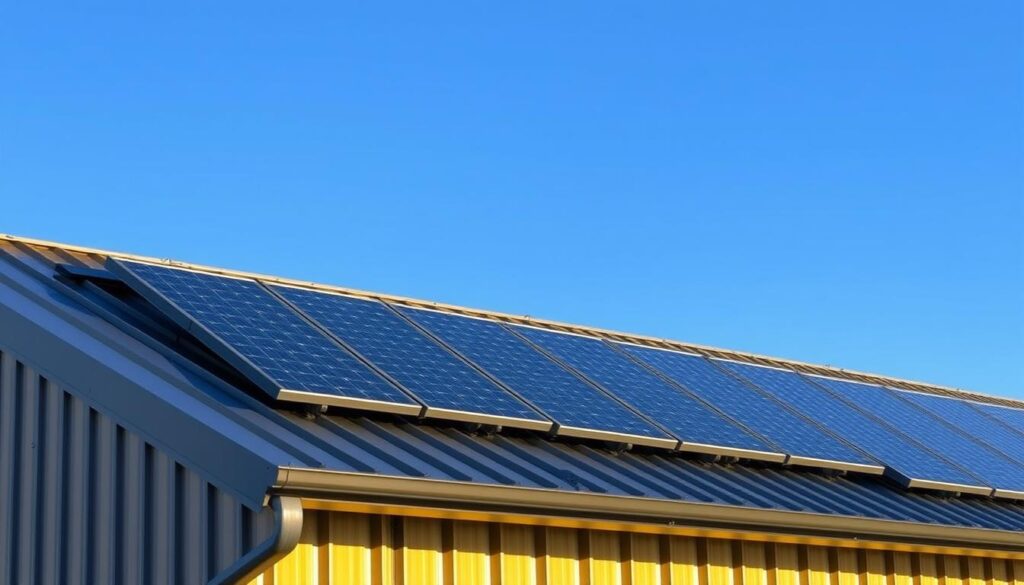
Even though solar panels are low‑maintenance, a light cleaning routine can help maintain peak output, especially in areas near agricultural activity or construction sites where dust can be heavier. The general recommendation for Florida homeowners is to inspect the panels visually every six months and perform a gentle rinse with a garden hose if noticeable grime is present. Using abrasive brushes or high‑pressure washers is discouraged, as they can damage the tempered glass or the sealant around the cells.
- Inspect panels twice a year—once in the spring and once in the fall.
- Rinse with a low‑pressure hose if dust or pollen is visible.
- Avoid abrasive tools; a soft brush is sufficient for stubborn spots.
- Schedule professional cleaning only if you notice a significant drop in output.
Most installers in Crestview, Marianna, and Milton include a basic cleaning guide with the system handover, reinforcing that the effort required is modest. By following these simple steps, owners can keep their systems operating close to the manufacturer’s rated performance without incurring high labor costs.
Warranty Coverage and Manufacturer Support
Modern solar panels typically come with performance warranties ranging from 25 to 30 years, guaranteeing that the modules will retain a certain percentage of their original output. These warranties also cover defects in materials and workmanship, meaning that any unexpected failure is usually addressed by the manufacturer at no cost to the homeowner. Because the warranty terms are so extensive, the need for proactive, frequent maintenance diminishes; owners can rely on the warranty to handle the rare issues that do arise.
Inverters also carry warranties—often 10 years, with optional extensions available. The combination of long‑term panel and inverter warranties provides a safety net that further reduces the incentive to schedule routine service appointments. When a problem does occur, the warranty process typically involves a quick onsite inspection followed by replacement of the faulty component, keeping downtime to a minimum.
Common Misconceptions About Solar Upkeep
Many prospective solar owners assume that the humid environment of Florida will cause corrosion or that the intense sunlight will degrade the panels faster. In reality, the materials used in solar modules are specifically engineered to resist corrosion, and the encapsulant layers protect the cells from UV breakdown. While it’s true that extreme heat can slightly reduce efficiency on very hot days, this effect is temporary and does not require any corrective action.
Another myth is that homeowners need to trim surrounding trees regularly to prevent shading. While strategic tree placement is part of the initial design phase, mature trees that are properly cleared during installation rarely grow back to a height that would cause significant shading within the warranty period. As a result, most owners only need to perform a one‑time pruning after the system is commissioned.
Comparing Maintenance Frequency Across Localities
| Location | Typical Cleaning Frequency | Annual Inspection Recommendation |
|---|---|---|
| Crestview | Once per year (late winter) | Bi‑annual visual check |
| Marianna | Every 12‑14 months | Bi‑annual visual check |
| Milton | Once per year (early spring) | Bi‑annual visual check |
The table above illustrates that across the three cities the recommended cleaning schedule is essentially the same: a single light rinse each year, coupled with a twice‑yearly visual inspection. This consistency underscores the broader point that solar panel maintenance requirements florida are minimal and predictable, regardless of the specific town within the Panhandle.
Financial Benefits of Low Maintenance
Because the routine upkeep costs are low, the overall return on investment (ROI) for a residential solar system improves dramatically. Homeowners can allocate more of their budget to higher‑efficiency panels or larger system sizes rather than spending on ongoing service contracts. The reduced operational expense also makes financing options, such as solar loans or power purchase agreements (PPAs), more attractive, as lenders view low‑maintenance assets as lower risk.
Furthermore, many local utility companies in Florida offer net‑metering credits that increase the economic value of the electricity generated. When combined with the modest maintenance demands, the financial payoff timeline shortens, often reaching breakeven within 5 to 7 years in the Panhandle region.
Best Practices to Keep Maintenance at a Minimum
- Choose a reputable installer who follows NFPA 70 (National Electrical Code) standards.
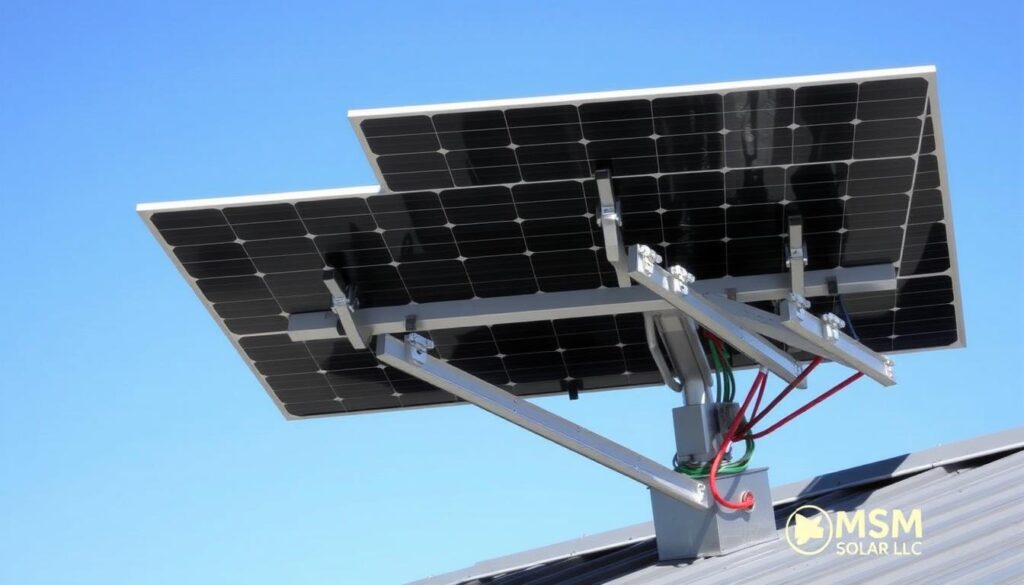
- Ensure the mounting system is securely anchored to a roof that can handle wind loads up to 140 mph.
- Opt for panels with a high-temperature coefficient for better performance in warm weather.
- Utilize inverter monitoring apps to receive alerts only when performance deviates from expected ranges.
- Schedule a professional inspection only during the warranty period if a fault is reported.
By adhering to these guidelines, homeowners can further reduce the likelihood of unexpected issues. The combination of robust hardware, thoughtful system design, and simple visual checks creates a maintenance regime that is as easy as a quick glance from the ground.
Conclusion
In summary, the design of modern solar modules, the forgiving climate of the Florida Panhandle, and the comprehensive warranties offered by manufacturers all contribute to the fact that solar panel maintenance requirements florida are typically minimal. Whether you live in Crestview, Marianna, or Milton, you can expect only occasional cleaning and a bi‑annual visual inspection to keep your system operating at peak efficiency, making solar energy a low‑maintenance, high‑return investment for years to come.
