


Understanding Solar Panel Texture Absorption
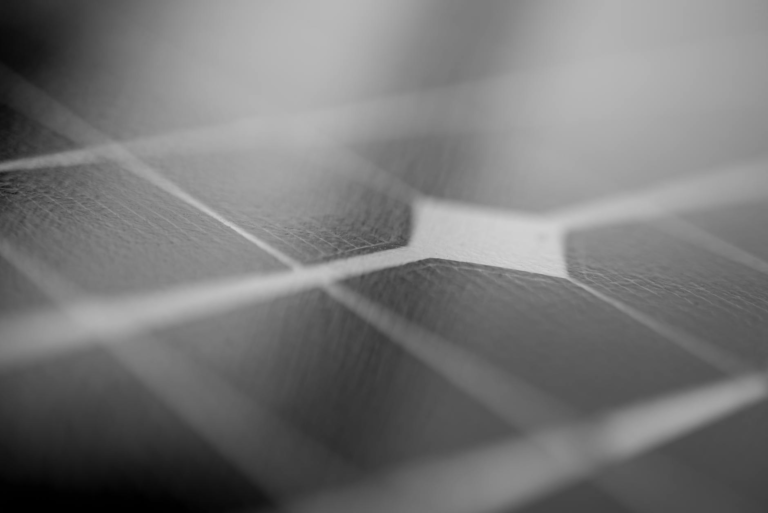
When homeowners in the Florida Panhandle consider solar energy, the conversation often focuses on panel efficiency, orientation, and cost. Yet a less obvious factor—texture—plays a critical role in how much sunlight a panel can convert into electricity. This phenomenon, known as solar panel texture absorption, involves the microscopic and macroscopic patterns engineered onto the surface of photovoltaic cells. By manipulating these patterns, manufacturers can reduce reflective losses, increase the path length of incoming photons, and ultimately boost the amount of energy harvested per square foot. In this article we’ll explore the science behind texture, examine the most common designs used in residential installations, and explain why advanced panel textures are especially beneficial for the bright, humid climate of the Florida Panhandle.
Find us here:
Solar Cost Calculator – Florida Panhandle Only
* Estimate based on $3.25 per watt for solar installation.
* For Tesla Powerwall 3 Batteries, $15,000 for the first battery, $12,000 for each additional battery.
* Other variations and types of Batteries are available.
The Physics Behind Light Interaction and Texture
Sunlight is a mixture of wavelengths that strike a solar cell at various angles. When light encounters a perfectly smooth surface, a portion of it is reflected directly away, never reaching the semiconductor layers that generate electricity. Texture changes that equation by creating micro‑structures that scatter incoming photons, increasing the likelihood that they will be absorbed rather than reflected. This scattering effect is the cornerstone of solar panel texture absorption, and it is quantified by the panel’s “optical loss” metric. Lower optical loss means more photons are captured, which translates into higher power output, especially during low‑angle morning and evening sun typical of the Panhandle’s seasonal shifts.
Surface Roughness and Light Scattering
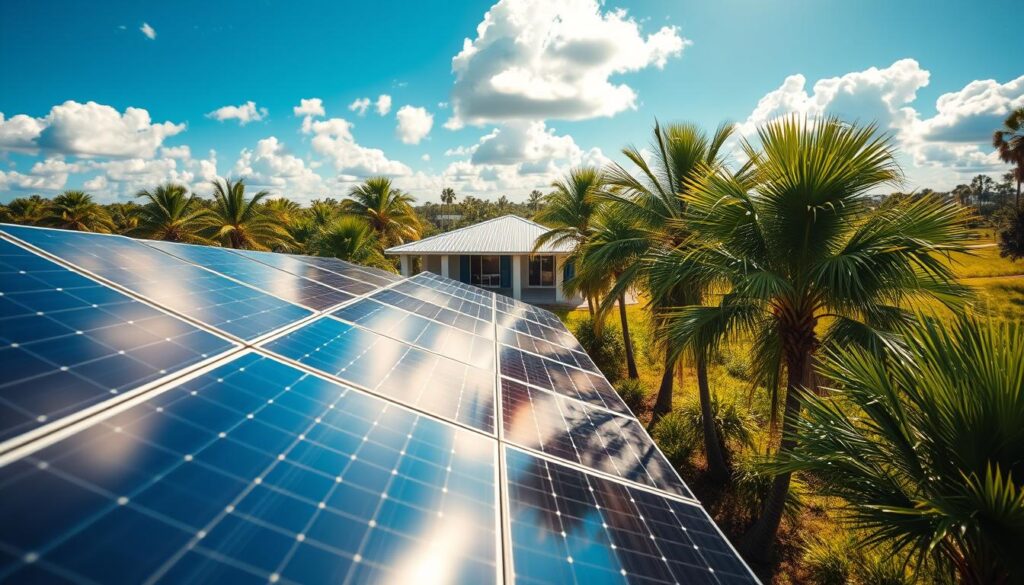
Surface roughness refers to the tiny peaks and valleys that form on a panel’s top layer. When these features are on the order of the wavelength of visible light (roughly 400–700 nm), they act like a diffraction grating, bending light in multiple directions. This diffused light penetrates deeper into the photovoltaic material, giving electrons more opportunities to be excited. Studies show that a modest increase in roughness can improve solar panel texture absorption by 2–4 % compared with a polished surface, a gain that becomes significant over the lifespan of a residential system.
Micro‑Texturing Techniques in Modern Panels
Manufacturers employ several micro‑texturing techniques to achieve optimal solar panel texture absorption. One popular method is “laser etching,” where high‑precision lasers carve patterns into the silicon wafer. Another approach, “nano‑imprint lithography,” uses a mold to imprint sub‑micron features across the cell surface. Both techniques create consistent textures that balance light trapping with minimal electrical resistance. The resulting panels often display a matte finish that looks less reflective, which not only enhances performance but also reduces glare for neighboring properties—a common concern in densely populated Florida neighborhoods.
Common Texture Designs for Residential Solar Panels
Homeowners typically encounter three main texture designs when shopping for solar installations: anti‑reflective grids, pyramid structures, and dome‑shaped micro‑cones. Each design influences solar panel texture absorption differently, offering trade‑offs between manufacturing cost, durability, and performance under varying weather conditions.
- Anti‑Reflective Grids – thin metal or dielectric lines that create a “rain‑drop” effect, reducing specular reflection.
- Pyramid Structures – classic silicon pyramids formed during wafer cutting, providing excellent light trapping for standard panels.
- Dome‑Shaped Micro‑Cones – spherical textures that scatter light in all directions, ideal for diffuse sunlight environments.
Anti‑Reflective Grids
Anti‑reflective grids are among the simplest ways to boost solar panel texture absorption. By applying a fine mesh of conductive material across the cell surface, manufacturers create a series of tiny “shadows” that disrupt the path of reflected photons. The grids are typically only a few micrometers wide, ensuring they do not impede the flow of electrons. In the high‑humidity environment of the Florida Panhandle, these grids also help shed water droplets, preventing moisture buildup that could otherwise increase surface reflection.
Pyramid and Dome Structures
Pyramid textures are the industry standard for crystalline silicon panels. During wafer slicing, the silicon is chemically etched to form a dense array of pyramids that act like tiny mirrors, redirecting light back into the cell. Dome‑shaped micro‑cones, on the other hand, are a newer innovation that provides omnidirectional scattering, which is especially useful in regions where sunlight arrives from multiple angles throughout the day. Both designs enhance solar panel texture absorption, but dome textures tend to outperform pyramids in diffuse light conditions—common during the occasional overcast days in the Panhandle.
Impact of Texture on Energy Capture in the Florida Panhandle
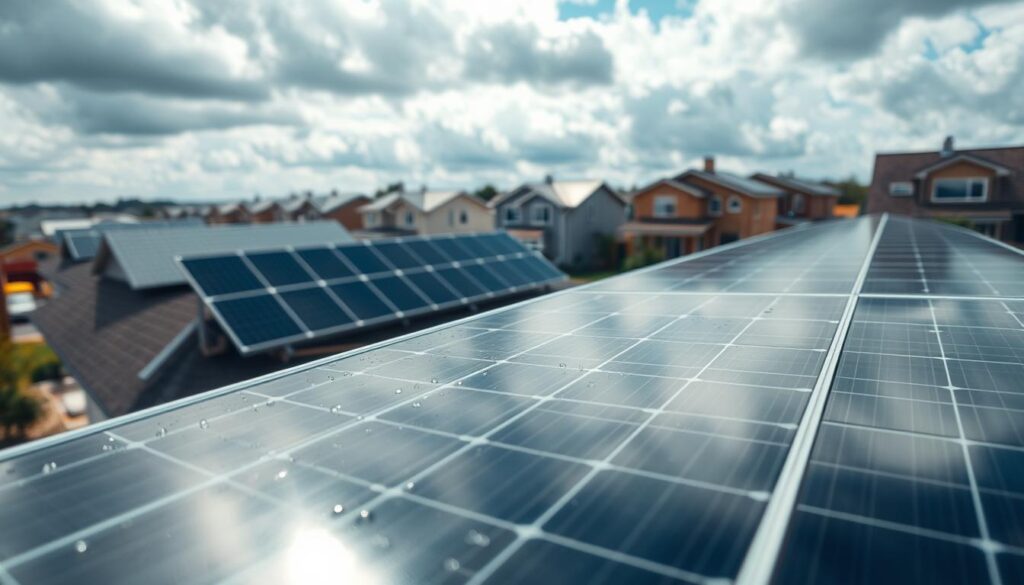
The Florida Panhandle enjoys abundant sunshine, with an average of 2,500 hours of direct sunlight per year. However, the region also experiences high humidity, occasional sea‑salt exposure, and rapid temperature swings between morning and afternoon. These environmental factors influence how effective solar panel texture absorption can be. Textured surfaces that minimize reflection are particularly valuable during the early morning and late evening, when the sun’s angle is low and the potential for glare is high. Moreover, textured panels tend to stay cooler because they absorb light more efficiently, reducing thermal losses that can degrade performance in hot, humid climates.
Climate‑Specific Considerations
In coastal areas of the Panhandle, salt spray can settle on smooth panel surfaces, forming a thin, reflective film that diminishes solar panel texture absorption. Textured panels, with their micro‑features, make it harder for salt crystals to form a uniform layer, allowing rain to wash away deposits more effectively. Additionally, the increased surface area of textured panels can improve airflow, aiding in passive cooling—a vital advantage when ambient temperatures exceed 90 °F for extended periods.
Real‑World Performance Data
Field studies conducted by local installers reveal that homes equipped with textured panels generate, on average, 5–7 % more electricity than those with standard smooth panels. This uplift aligns closely with the theoretical gains predicted by solar panel texture absorption models. The most pronounced improvements appear during the shoulder seasons—late spring and early fall—when the sun’s trajectory creates longer shadows and more oblique angles of incidence.
| Texture Type | Typical Absorption Boost | Best Climate Fit |
|---|---|---|
| Anti‑Reflective Grid | 2–3 % | Humid, high‑glare areas |
| Pyramid Structure | 3–4 % | General sunny climates |
| Dome Micro‑Cone | 4–6 % | Diffuse light, coastal zones |
Installation and Maintenance Implications
While the performance benefits of advanced textures are clear, installers must consider the practical aspects of mounting and maintaining these panels. Textured surfaces can be slightly more delicate during handling, requiring careful alignment to avoid crushing micro‑features. However, most modern mounting systems are designed to accommodate these needs without additional cost. Once installed, the maintenance routine for textured panels is similar to that of conventional panels: periodic cleaning to remove dust and debris, with the added advantage that the texture itself helps shed contaminants more efficiently.
Cleaning, Durability, and Longevity
In the high‑humidity environment of the Panhandle, algae and mold growth can pose a challenge for any solar array. Textured panels reduce the flat surfaces where organisms can adhere, making routine rinses with a garden hose sufficient in most cases. The micro‑structures are engineered from the same durable silicon or glass as the rest of the panel, ensuring that the added texture does not compromise the panel’s warranty. Over a 25‑year lifespan, the cumulative energy gains from superior solar panel texture absorption can offset any marginal increase in cleaning frequency.
Future Trends in Solar Panel Texture Technology
Research continues to push the boundaries of how texture can be leveraged for even greater absorption. Emerging concepts include bio‑inspired textures that mimic the micro‑structures found on butterfly wings or lotus leaves, which exhibit near‑perfect anti‑reflective properties. Additionally, adaptive textures—materials that change their surface pattern in response to temperature or light intensity—are being prototyped in laboratories. While these technologies are still in the experimental phase, they hint at a future where solar panel texture absorption could achieve double‑digit efficiency improvements, making residential solar even more attractive for homeowners across the Florida Panhandle.
In summary, the texture of a solar panel is far more than an aesthetic choice; it directly influences how much sunlight is captured and converted into usable power. By understanding the science behind solar panel texture absorption and selecting the right design for local climate conditions, Florida Panhandle homeowners can maximize their energy harvest, reduce utility bills, and contribute to a cleaner energy future.
