



Introduction
When homeowners in Navarre, Destin, and Panama City invest in solar energy, they often expect similar systems on comparable houses to generate the same amount of electricity. In reality, solar performance varies homes due to a combination of roof orientation, shading, local weather patterns, and even the subtle differences in construction materials. Understanding why two seemingly identical homes can produce different solar output is essential for making informed decisions, optimizing system design, and setting realistic expectations for energy savings. This article dives deep into the technical and environmental factors that cause solar performance to differ from house to house, offering practical guidance for anyone looking to maximize their solar investment in the Florida Gulf Coast region.
Find us here:
Solar Cost Calculator – Florida Panhandle Only
* Estimate based on $3.25 per watt for solar installation.
* For Tesla Powerwall 3 Batteries, $15,000 for the first battery, $12,000 for each additional battery.
* Other variations and types of Batteries are available.
Understanding Solar Output
Solar panels convert sunlight into electricity based on the amount of solar irradiance they receive, the efficiency of the panels, and the operating conditions of the system. While panel efficiency is a fixed characteristic, the amount of sunlight that reaches each panel can change dramatically from one roof to another. Even small variations in tilt angle, azimuth (the direction the roof faces), and the presence of shadows can reduce the amount of usable energy by 10 % to 30 % or more. This is why a detailed site assessment is critical; it reveals how solar performance varies homes with different exposure levels, allowing installers to fine‑tune system size, placement, and component selection for optimal results.
Orientation and Roof Pitch
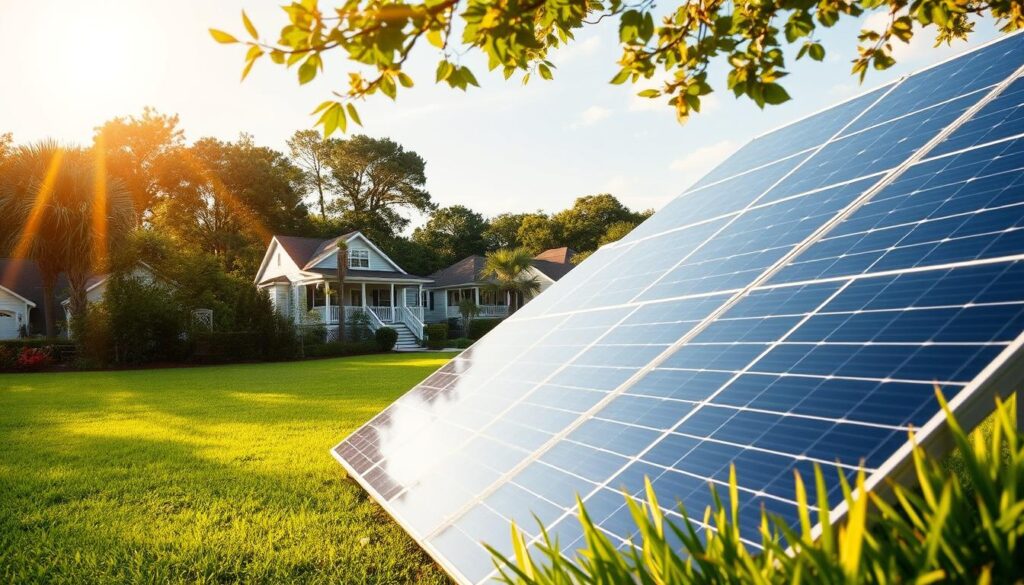
The orientation of a roof—whether it faces south, east, west, or north—determines how much direct sunlight it receives throughout the day. In the Gulf Coast, a south‑facing roof captures the most consistent sunlight, especially during the winter months when the sun sits lower in the sky. A roof that faces east will receive strong morning sun but lose exposure in the afternoon, while a west‑facing roof does the opposite. Additionally, the pitch or slope of the roof influences the angle at which sunlight strikes the panels. A steeper pitch can improve performance in winter by aligning panels more directly with the sun’s lower trajectory, whereas a shallow pitch may be optimal for summer when the sun is higher. These nuances explain why two houses with identical square footage can have markedly different solar yields, illustrating the core truth that solar performance varies homes based on orientation and pitch.
Shading from Trees and Structures
Even partial shading can have a disproportionate impact on a solar array because most photovoltaic cells are connected in series. When a single cell is shaded, it can reduce the current flow for the entire string, dragging down overall output. Common sources of shade include mature trees, neighboring buildings, chimneys, and rooftop equipment such as HVAC units or satellite dishes. In coastal neighborhoods like Navarre, large palms can cast long shadows during certain times of the year, while new construction in Destin may introduce taller structures that block afternoon sun. Effective mitigation strategies—such as trimming branches, relocating equipment, or using micro‑inverters that isolate each panel’s performance—help ensure that solar performance varies homes less dramatically due to shading issues.
Geographic Factors in Navarre, Destin, and Panama City
Although these three cities share a similar coastal climate, subtle geographic differences still influence solar generation. Latitude, proximity to the Gulf of Mexico, and local weather patterns all affect the intensity and duration of sunlight. Understanding these regional nuances helps explain why two homes situated just a few miles apart can experience different solar outcomes.
Latitude and Sun Angle
Navarre sits at approximately 30.4° N latitude, Destin at 30.4° N, and Panama City at 30.2° N. While the difference may seem negligible, even a fraction of a degree changes the sun’s angle, especially during the winter solstice. A slightly higher latitude means the sun is a bit lower in the sky, reducing the peak solar irradiance by a few watts per square meter. Over the course of a year, this small variation can translate into a measurable difference in total energy production, reinforcing the concept that solar performance varies homes even within a compact geographic area.
Coastal Weather Patterns
The Gulf Coast is known for its high humidity, frequent sea breezes, and occasional cloud cover from marine layers. These atmospheric conditions can attenuate sunlight, especially during the summer months when humidity peaks. Moreover, coastal fog can linger longer in Panama City compared to Destin, marginally reducing the amount of direct sunlight that reaches rooftop panels. While the overall solar resource remains excellent across all three cities, these micro‑climatic variations contribute to the reality that solar performance varies homes based on localized weather influences.
Common Misconceptions About Similar Homes
Many homeowners assume that if two houses look alike on the outside, their solar systems will behave identically. This belief often leads to disappointment when the expected energy savings don’t materialize. Let’s debunk two prevalent myths that fuel this misunderstanding.
“Same Size, Same Output” Myth
It’s tempting to think that a 5 kW system on a 2,500 sq ft home will generate the same kilowatt‑hours as a 5 kW system on another 2,500 sq ft home. In practice, the actual output is dictated by the roof’s exposure, shading, and the quality of the installation. A home with a south‑facing roof and minimal shading can easily outperform a similarly sized home with a north‑facing roof or significant tree cover. The myth persists because developers often market “standard” solar packages without accounting for these site‑specific variables, which is why the phrase solar performance varies homes is critical to keep in mind during the planning stage.
“All Solar Panels Are Equal” Myth
Even within the same wattage rating, panels differ in efficiency, temperature coefficient, and degradation rate. Higher‑efficiency panels produce more power per square foot, allowing them to fit better on roofs with limited space or irregular shapes. Conversely, lower‑efficiency panels may require more surface area, making them more susceptible to shading losses. Selecting the right panel type for a specific roof geometry can mitigate the impact of the “one‑size‑fits‑all” mindset, further illustrating how solar performance varies homes based on equipment choices as well as site conditions.
Practical Steps Homeowners Can Take
While some factors—like latitude—are beyond our control, many aspects that cause solar performance varies homes can be addressed with careful planning and proactive maintenance. Below are actionable steps to ensure your solar investment delivers the highest possible return.
Conduct a Professional Solar Site Survey
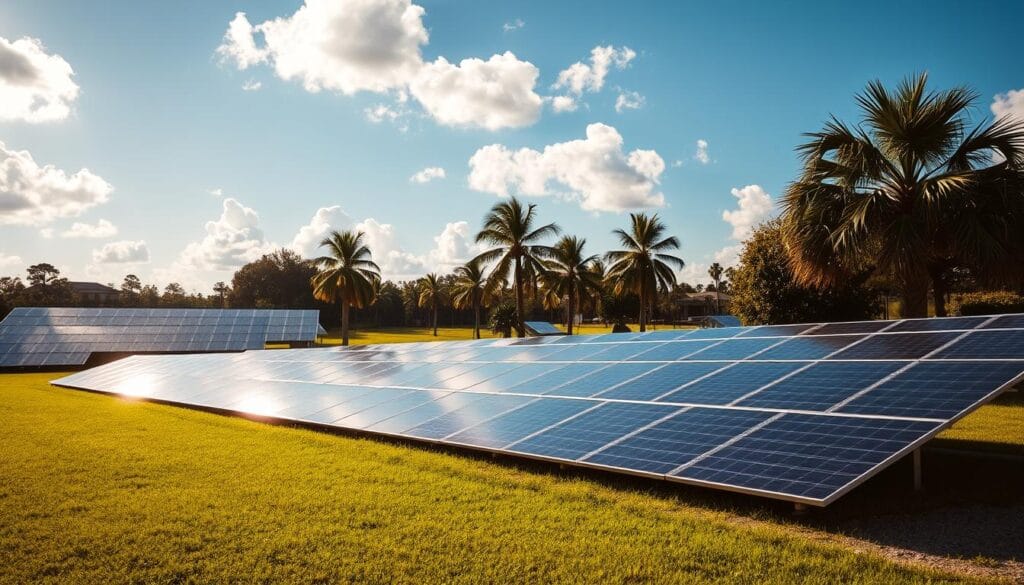
A qualified solar installer will perform a comprehensive site survey that includes a roof audit, shading analysis using tools like SunEye or DroneDeploy, and an assessment of structural integrity. This survey identifies the optimal panel layout, determines the best tilt and azimuth, and quantifies potential energy losses. By investing in a thorough evaluation upfront, homeowners can avoid costly redesigns later and better understand how solar performance varies homes based on their unique site characteristics.
Optimize Roof Space and Trim Vegetation
Removing or pruning overhanging branches that cast shadows during peak sunlight hours can significantly boost system output. In addition, consider relocating rooftop equipment—such as air‑conditioning units—to less critical areas or mounting them on separate platforms. If the roof space is limited, using higher‑efficiency panels or adding a small ground‑mount array can compensate for lost area. These adjustments directly address the factors that cause solar performance varies homes and help maintain consistent energy production over the system’s lifespan.
Choose the Right Inverter and Panel Type
Modern micro‑inverters or power optimizers allow each panel to operate independently, minimizing the impact of partial shading. Pairing these technologies with high‑efficiency monocrystalline panels can further reduce losses caused by orientation mismatches. Selecting equipment that matches the specific roof layout and shading profile ensures that the inherent variability captured by the phrase solar performance varies homes is mitigated as much as possible.
| Key Factor | Impact on Output | Mitigation Strategy |
|---|---|---|
| Roof Orientation (South vs. East/West) | Up to 30 % variation | Adjust tilt, use micro‑inverters, select high‑efficiency panels |
| Shading (Trees, Chimney, Neighbor) | 10–50 % loss per shaded panel | Trim foliage, relocate obstructions, install power optimizers |
| Roof Pitch | Seasonal performance shift | Custom mounting frames to achieve optimal angle |
| Panel Efficiency | 5–20 % difference per watt | Choose higher‑efficiency modules for limited space |
| Local Weather (Coastal Fog, Humidity) | 2–5 % annual reduction | Regular cleaning, monitoring, and performance modeling |
Frequently Asked Questions
- Can two identical solar systems produce different bill savings? Yes. Because solar performance varies homes due to orientation, shading, and local climate, the actual kilowatt‑hours generated can differ, leading to varied utility savings.
- Is it worth upgrading to micro‑inverters? For homes with shading issues or mixed roof directions, micro‑inverters can improve overall output by allowing each panel to operate at its maximum, reducing the effect of the “one‑size‑fits‑all” performance gap.
- How often should I trim trees near my panels? Ideally once a year, after the growing season, to keep shading below 5 % of the panel surface area and maintain consistent performance.
- Does the age of my roof affect solar installation? An older roof may require repairs or reinforcement before mounting panels. Addressing structural issues early prevents future performance losses caused by panel sag or misalignment.
In summary, the notion that “all homes are the same” when it comes to solar is a misconception. By recognizing that solar performance varies homes based on orientation, shading, geographic nuances, and equipment choices, homeowners can make smarter decisions, optimize their system design, and achieve the energy independence they desire.
