


Why Panel Placement Strategy Impacts Long‑Term Maintenance
When homeowners in Destin and Panama City decide to invest in solar energy, the excitement often centers on reducing utility bills and embracing clean power. Yet, the lasting success of a solar system depends heavily on how the panels are positioned and how easily service technicians can reach them. This concept, known as solar placement maintenance access, is more than a technical term; it is a practical guideline that can prevent costly repairs, safety hazards, and performance loss over the years. In this article we will explore the strategic considerations behind panel placement, the hidden costs of poor access, and actionable steps you can take to ensure your solar array remains efficient and service‑friendly for the long haul.
Find us here:
Solar Cost Calculator – Florida Panhandle Only
* Estimate based on $3.25 per watt for solar installation.
* For Tesla Powerwall 3 Batteries, $15,000 for the first battery, $12,000 for each additional battery.
* Other variations and types of Batteries are available.
Understanding Solar Placement Fundamentals
Before delving into maintenance concerns, it helps to grasp the core principles that drive optimal panel placement. Sunlight exposure, roof orientation, shading from nearby trees or structures, and local weather patterns all influence the angle and azimuth of a solar array. In coastal regions like Destin and Panama City, salt air and high humidity also affect material durability, making the choice of mounting hardware crucial. While maximizing sun hours is the primary goal, planners must also account for the physical space required for safe servicing, especially when panels are installed on steep roofs or near skylights.
The Role of Maintenance Access in System Longevity
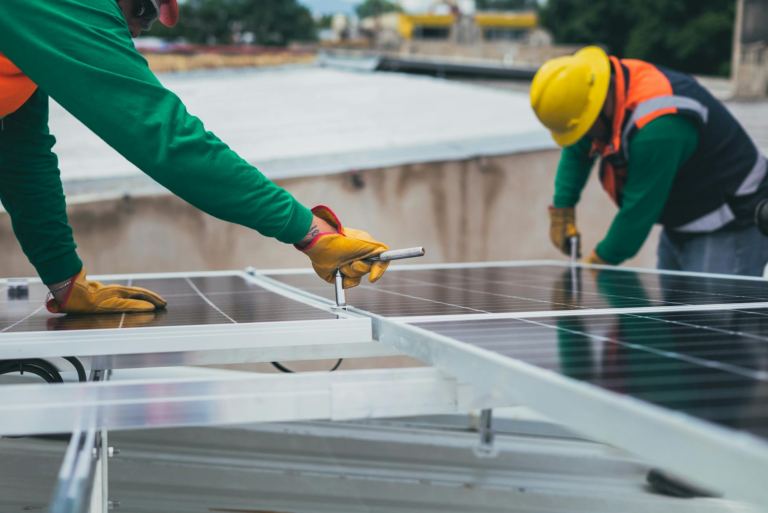
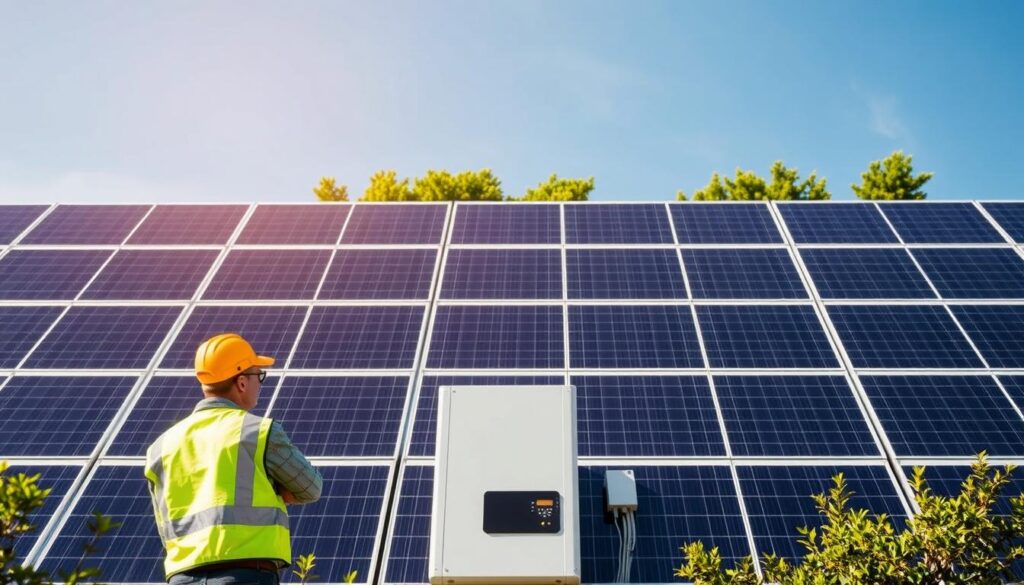
Maintenance access is the ability of technicians to reach every component of the solar installation without excessive effort or risk. Good access allows for routine inspections, cleaning of panels, inverter checks, and rapid response to any electrical faults. When access is limited, service crews may need to use ladders, harnesses, or even dismantle parts of the array—procedures that increase labor costs and the potential for accidental damage. Integrating solar placement maintenance access into the design phase ensures that the system can be serviced efficiently throughout its 25‑plus year lifespan.
Common Mistakes in Panel Placement
Even experienced installers can overlook details that compromise future serviceability. One frequent error is mounting panels too close to roof edges or gutters, which restricts the space needed for safety harnesses and equipment. Another pitfall is positioning arrays over skylights or ventilation units, creating obstacles that must be navigated during each visit. In some cases, homeowners request panels be placed on the most visually appealing part of the roof, ignoring the fact that shade from nearby trees may shift seasonally, forcing later adjustments that are difficult without proper clearance. Each of these scenarios reduces solar placement maintenance access and can lead to higher maintenance bills.
How Placement Affects Service Costs
Service technicians typically charge by the hour, and the time required to reach a panel can vary dramatically based on placement. For example, a panel installed on a flat roof with a clear walkway may take just a few minutes to inspect, while a panel perched on a steep, shingled slope may require additional safety equipment and longer setup. Over a decade, these extra minutes add up, inflating the total cost of maintenance. Moreover, limited access can delay critical repairs, potentially causing a cascade of issues that further increase expenses. By prioritizing solar placement maintenance access during installation, homeowners can keep future service costs predictable and manageable.
Designing for Long‑Term Access
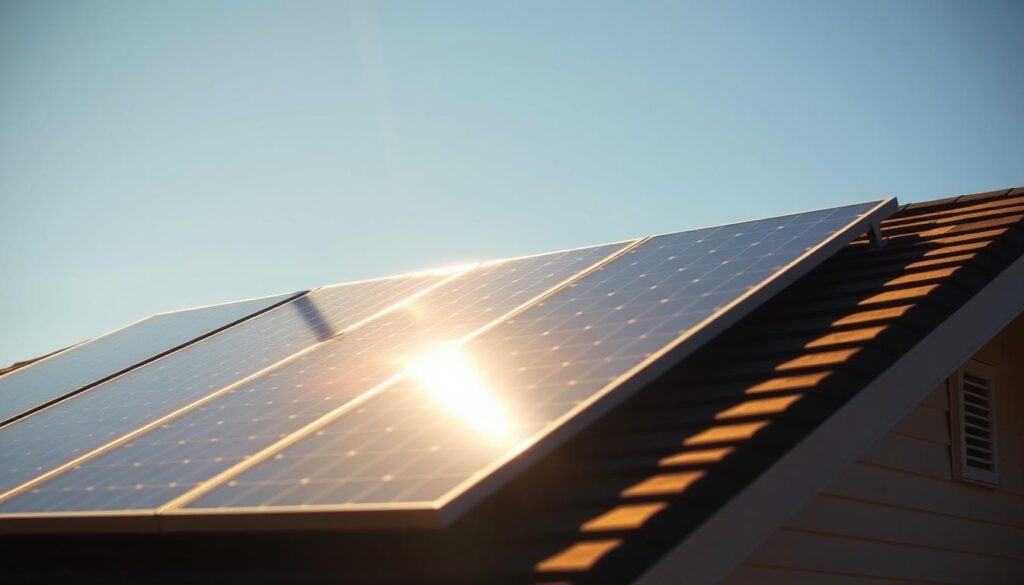
Effective design starts with a thorough site survey that maps out not only the optimal solar exposure but also the clear zones needed for safe work. This includes measuring the distance from the panel’s edge to the roof ridge, ensuring there is at least a two‑foot clearance on all sides. In addition, selecting mounting systems with adjustable brackets can provide flexibility for future adjustments without major disassembly. For roof‑top installations, integrating a dedicated service walkway—often a simple, non‑slip surface—can dramatically improve safety and speed. In ground‑mounted systems, placing the array on a level pad with ample surrounding space eliminates many of the challenges faced on sloped roofs.
- Maintain a minimum 24‑inch clearance from roof edges.
- Use adjustable mounting hardware for future tilt changes.
- Install non‑slip walkways on steep roofs.
- Plan for unobstructed inverter and wiring pathways.
- Consider future vegetation growth that could create shading.
Real‑World Example: Destin and Panama City
Homeowners in Destin often build houses with expansive, low‑pitch roofs that provide ample sunlight but can become challenging to navigate when panels are placed too close to the perimeter. In Panama City, many properties feature metal roofing with integrated solar clips, which can be removed quickly for maintenance—but only if the clips are positioned with sufficient spacing. In both markets, installers who incorporate solar placement maintenance access into the early design phase report fewer service callbacks and higher customer satisfaction. A case study of a 12‑kW residential system in Destin showed a 30 % reduction in maintenance labor hours after re‑positioning the array to meet access guidelines.
Comparison of Placement Options
| Placement Strategy | Typical Access Score (1‑10) | Long‑Term Maintenance Impact |
|---|---|---|
| Edge‑Mounted on Steep Roof | 3 | Higher labor costs, increased safety risk. |
| Mid‑Roof Flat Area with Walkway | 8 | Easy inspections, lower service fees. |
| Ground‑Mounted with Clear Perimeter | 9 | Optimal access, minimal future adjustments. |
The table above illustrates how different placement strategies affect the “access score,” a practical metric that reflects how easily a technician can reach the panels. Higher scores correlate with smoother maintenance operations and lower overall costs. When evaluating a site, aim for a placement that scores at least a 7 to ensure that solar placement maintenance access is not an afterthought but a built‑in feature of the system.
Best Practices Summary
To summarize, a thoughtful panel placement strategy is essential for preserving the efficiency and safety of a solar installation over its entire lifespan. Key takeaways include conducting a detailed site survey, preserving clear walkways, selecting adjustable mounting hardware, and always accounting for future vegetation growth and roof repairs. By embedding solar placement maintenance access into the design, homeowners in Destin, Panama City, and similar coastal regions can avoid unexpected service challenges, protect their investment, and enjoy reliable clean energy for decades.
Proper planning today translates into fewer headaches tomorrow, ensuring that your solar system remains a source of pride rather than a source of ongoing expense.
