



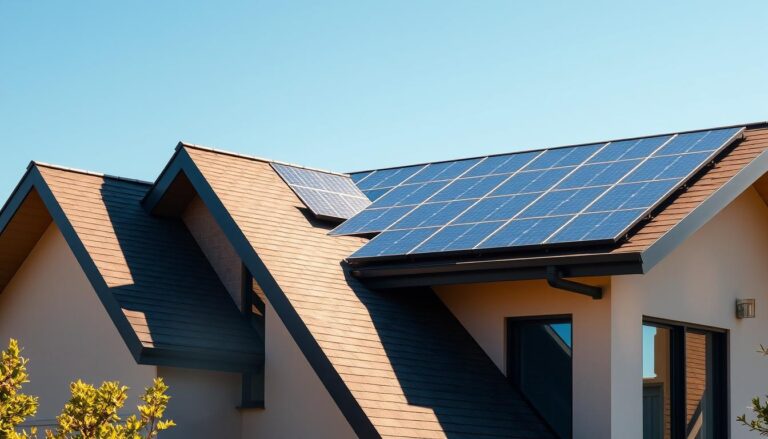
When homeowners in Panama City or Tallahassee decide to tackle a major remodel, the focus is often on aesthetics, functionality, and budget. Yet an equally important dimension frequently slips through the cracks: how the upcoming changes will accommodate future solar energy systems. By integrating solar planning before renovation, you can align structural decisions, electrical upgrades, and permitting processes with the long‑term goal of clean, renewable power. This proactive approach not only smooths the path to a successful solar installation but also protects the investment you’re already making in your home’s transformation.
Find us here:
Solar Cost Calculator – Florida Panhandle Only
* Estimate based on $3.25 per watt for solar installation.
* For Tesla Powerwall 3 Batteries, $15,000 for the first battery, $12,000 for each additional battery.
* Other variations and types of Batteries are available.
Why Timing Matters for Solar Integration
Aligning Structural Changes with Solar Design
Every renovation reshapes the physical envelope of a house—roof pitch, attic space, façade orientation, and even window placement can shift dramatically. These elements directly influence solar panel performance because they affect sun exposure, shading, and the structural capacity to bear panel weight. When you initiate solar planning before renovation, architects and contractors can factor optimal panel placement into the design blueprint, selecting roof framing members that meet load requirements and positioning skylights or dormers to avoid casting shadows on future arrays.

Avoiding Costly Rework and Delays
Post‑renovation retrofits often require tearing out finished surfaces, rerouting wiring, or reinforcing roof structures—all of which add unexpected labor and material expenses. By addressing solar considerations early, you eliminate the need to revisit completed work. For example, installing conduit pathways for inverter wiring during the framing stage is far cheaper than cutting through drywall later. This forward‑thinking strategy reduces the risk of schedule overruns that can push a solar project into a new fiscal year, potentially missing out on expiring rebates or tax credits.
Key Considerations for Solar Planning Before Renovation
- Roof orientation, pitch, and structural capacity
- Potential shading from new additions, trees, or exterior features
- Electrical service size and panel space for additional circuits
- Local permitting timelines and zoning restrictions
- Incentive eligibility windows and financing options
- Future energy goals and system sizing calculations
Electrical Infrastructure
A modern solar array typically requires a dedicated breaker, a conduit run from the roof to the main service panel, and sometimes a separate sub‑panel for battery storage. During a major remodel, it’s far more efficient to allocate space in the new electrical panel for these components. Coordinating with a licensed electrician while the walls are still open ensures that conduit pathways are neatly embedded within studs, and that the main service capacity can accommodate the additional load without the need for an expensive upgrade after the fact.
Roof Orientation and Shading
The sun’s trajectory in Panama City and Tallahassee favors south‑facing roofs for maximum energy harvest, though east and west exposures can also be viable with proper panel tilt. When planning a renovation, assess how new rooflines, dormers, or pergolas might cast shadows during peak sunlight hours. Simple tools like a solar pathfinder or a smartphone app can model shading scenarios. If a proposed deck or overhang would obstruct the optimal panel area, you can adjust its placement now rather than later, preserving the efficiency of the eventual solar system.

Permitting and Local Codes
Both Panama City and Tallahassee have specific building codes that intersect with solar regulations, including fire safety setbacks, roof penetrations, and structural wind‑load standards. Engaging with the local building department early—while the renovation permits are still being processed—allows you to incorporate solar‑friendly details into the approved plans. This alignment reduces the likelihood of having to submit supplemental solar permits after construction, which can cause costly re‑inspections and delays.
Financial Incentives and Budgeting
Federal tax credits, state rebates, and utility‑level incentives often have expiration dates tied to the calendar year. By embedding solar planning before renovation, you can schedule the solar installation to coincide with the completion of the remodel, ensuring that you capture the full suite of available incentives. Moreover, budgeting for solar equipment alongside renovation costs can yield economies of scale—for instance, purchasing both roofing materials and mounting hardware in a single order may qualify for bulk‑discount shipping.
Case Study: Panama City Home Renovation
Maria and Carlos decided to remodel their 1970s bungalow in Panama City, adding a second story and upgrading the roof. Before any demolition began, they consulted a solar design specialist to map out a future 7‑kilowatt system. The specialist recommended reinforcing the new roof trusses to support the panel weight and installing a 200‑amp service panel with extra spaces for a future inverter. By integrating these requirements into the construction documents, the contractor was able to run conduit through the new attic space without cutting finished drywall later. The result was a seamless transition from renovation to solar installation, completed within three months of moving back in.
- Step 1: Conduct a solar site analysis during the design phase.
- Step 2: Specify roof framing members that meet the 30‑lb/sq ft load requirement.
- Step 3: Install a larger service panel with spare breaker slots.
- Step 4: Route conduit from the roof edge to the panel location while walls are open.
- Step 5: Coordinate with the permitting office to combine renovation and solar permits.
| Renovation Phase | Solar‑Ready Action |
|---|---|
| Design & Planning | Solar site analysis, structural load calculations |
| Framing | Install reinforced joists, embed conduit runs |
| Electrical Rough‑In | Upgrade service panel, allocate breaker spaces |
| Finishing | Seal roof penetrations, verify mounting locations |
Case Study: Tallahassee Historic Home Retrofit
In Tallahassee, a homeowner undertaking a historic preservation project faced the challenge of maintaining the home’s original façade while preparing for solar integration. By starting solar planning before renovation, the preservation architect selected roofing materials that matched the historic look yet provided a flat, unobstructed surface for panels. The electrical engineer pre‑installed a rooftop conduit loop concealed within a discreet parapet, preserving the home’s aesthetic. When the solar installer arrived, the system was mounted without altering the historic character, and the project qualified for both preservation tax credits and solar incentives, maximizing financial returns.
Practical Checklist for Homeowners
- Schedule a solar feasibility study before finalizing renovation designs.
- Discuss roof load capacity with your structural engineer.
- Plan for extra space in the main electrical panel.
- Map potential shading from new structures or landscaping.
- Verify local permitting requirements for combined renovation and solar work.
- Identify applicable federal, state, and utility incentives and their deadlines.
- Coordinate the timing of solar equipment procurement with renovation milestones.
- Document all solar‑related specifications in the construction contract.
Future‑Proofing Your Home
Even if you’re not ready to install panels immediately, incorporating solar‑ready features during a major remodel positions your home for easy adoption later. This includes leaving clear roof space, installing a dedicated conduit chase, and ensuring the roof membrane can accommodate mounting hardware without compromising waterproofing. As battery storage becomes more mainstream, having a robust electrical infrastructure will also simplify the addition of a home‑energy storage system, turning your renovation into a foundation for a resilient, off‑grid‑capable residence.
In summary, beginning solar planning before renovation transforms a standard home improvement project into a strategic, forward‑looking investment. By aligning structural, electrical, and regulatory considerations early, homeowners in Panama City and Tallahassee can avoid costly retrofits, capture valuable incentives, and set the stage for a clean energy future.
