



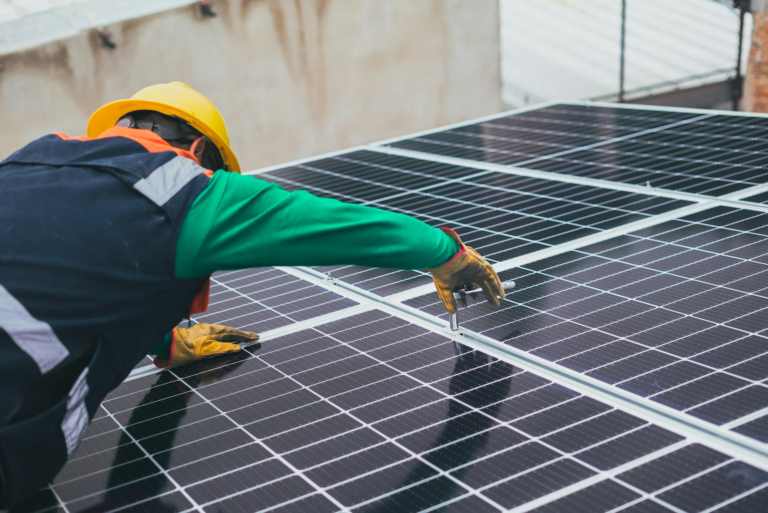
As cities across the Florida Panhandle expand, the relationship between population increase and energy demand becomes increasingly evident. Growing municipalities such as Tallahassee and Panama City are experiencing a surge in electricity consumption, driven by new housing developments, commercial construction, and a higher number of electric vehicles on the road. This upward trend creates pressure on traditional power plants and the regional grid, which were originally designed for a smaller, more static population. In this context, solar energy emerges not just as an alternative source, but as a strategic tool that can help maintain reliable service while accommodating rapid growth. By leveraging abundant sunshine, local governments and residents can work together to ensure that solar population growth energy stability becomes a cornerstone of future planning.
Find us here:
Solar Cost Calculator – Florida Panhandle Only
* Estimate based on $3.25 per watt for solar installation.
* For Tesla Powerwall 3 Batteries, $15,000 for the first battery, $12,000 for each additional battery.
* Other variations and types of Batteries are available.
Why Energy Demand Rises with Population Growth
Every new household adds a baseline load for lighting, heating, cooling, and appliances. Commercial enterprises, ranging from small cafés to large manufacturing plants, further amplify this load. When a city’s population expands by even a few thousand residents, the cumulative effect on the electric grid can be significant. Utilities must either upgrade transmission infrastructure or source additional power, both of which involve considerable capital expenditure and lead times. Moreover, the timing of peak demand shifts as more people adopt air‑conditioning during hot Florida summers, creating stress points that can jeopardize grid reliability if not addressed proactively.
Solar as a Scalable Solution
Solar photovoltaic (PV) systems are uniquely positioned to grow alongside a city’s population. Panels can be installed on rooftops, parking structures, and vacant land, turning otherwise idle surfaces into productive energy generators. Because each installation can be sized to match the needs of a single home or an entire neighborhood, solar supports a modular approach to capacity expansion. This flexibility directly contributes to solar population growth energy stability, allowing communities to add generation capacity incrementally as demand rises, without the need for massive, centralized power plants.
Distributed Generation Enhances Grid Flexibility
When solar arrays are spread across many locations, the grid benefits from a diversified supply that reduces the impact of localized outages. Distributed generation also shortens the distance electricity must travel, cutting transmission losses and easing congestion on high‑voltage lines. In areas experiencing rapid population growth, this decentralized model can be a game‑changer, delivering power where it’s needed most while preserving overall system stability.
Improving Grid Resilience Through Solar Integration
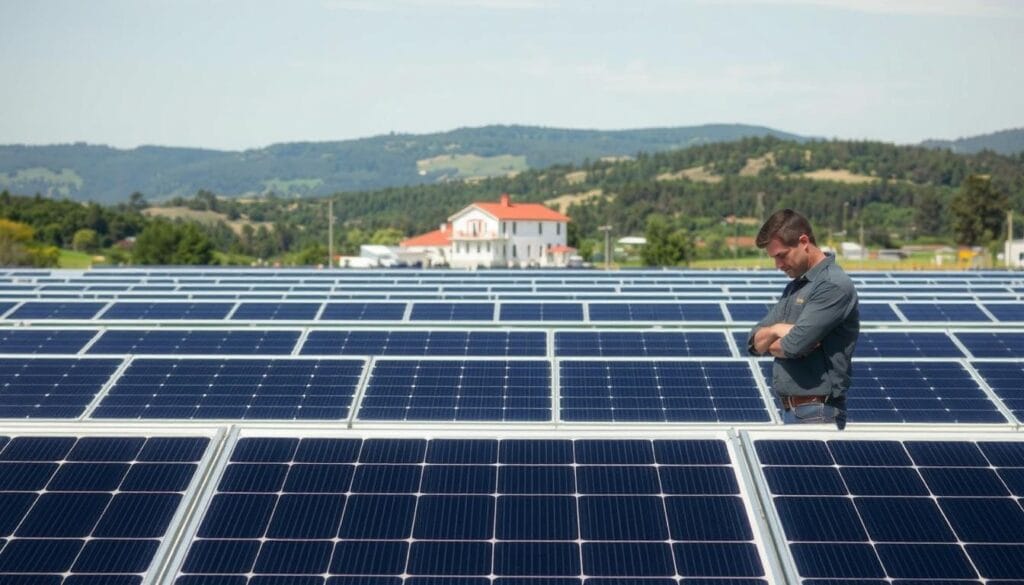
Modern inverters and smart‑grid technologies enable solar installations to provide ancillary services such as voltage regulation and frequency response. These capabilities help balance the grid during sudden spikes in demand, which are common during heat waves in the Panhandle. By integrating solar with advanced control systems, utilities can rely on a broader set of tools to maintain reliability, reinforcing the link between solar population growth energy stability and a resilient power network.
Case Studies in the Florida Panhandle
Both Tallahassee and Panama City illustrate how proactive solar adoption can mitigate the challenges of expanding populations. In Tallahassee, the city’s Climate Action Plan includes incentives for residential rooftop solar, resulting in a 25 % increase in installed capacity over the past three years. This growth has helped offset the additional load from new housing subdivisions on the city’s western fringe. Meanwhile, Panama City’s waterfront redevelopment project incorporates solar canopies over parking lots, generating clean power for nearby businesses and reducing peak‑hour stress on the local substation.
Tallahassee’s Community Solar Programs
The capital’s community solar farms allow renters and low‑income households to subscribe to a share of solar output, even if they cannot install panels on their own roofs. By aggregating demand, these programs provide a steady revenue stream for developers, encouraging further investment in solar capacity that aligns with the city’s population growth. The resulting boost in generation contributes directly to solar population growth energy stability, ensuring that the grid can handle both current and future loads.
Panama City’s Solar‑Powered Public Spaces
Panama City’s recent revitalization of its downtown promenade features solar‑integrated street lighting and interactive kiosks powered entirely by on‑site PV arrays. These installations not only reduce municipal electricity bills but also serve as visible demonstrations of how solar can coexist with urban development. As the city’s population continues to climb, the added generation from these projects supports a smoother transition to higher demand without compromising service quality.
Economic Benefits for Growing Communities
Beyond reliability, solar offers tangible economic advantages that become more pronounced as populations expand. Homeowners who install rooftop panels often see a reduction in their monthly utility bills, freeing up household income for other expenditures. Local businesses benefit from lower operating costs, making the area more attractive for new enterprises. Additionally, the solar industry creates jobs in installation, maintenance, and manufacturing, providing employment opportunities that grow in step with the population.
- Reduced electricity expenses for residents and businesses
- Job creation in installation, maintenance, and supply chain
- Increased property values for solar‑equipped homes
- Enhanced tax revenues from a thriving green economy
Policy Landscape Supporting Solar Expansion
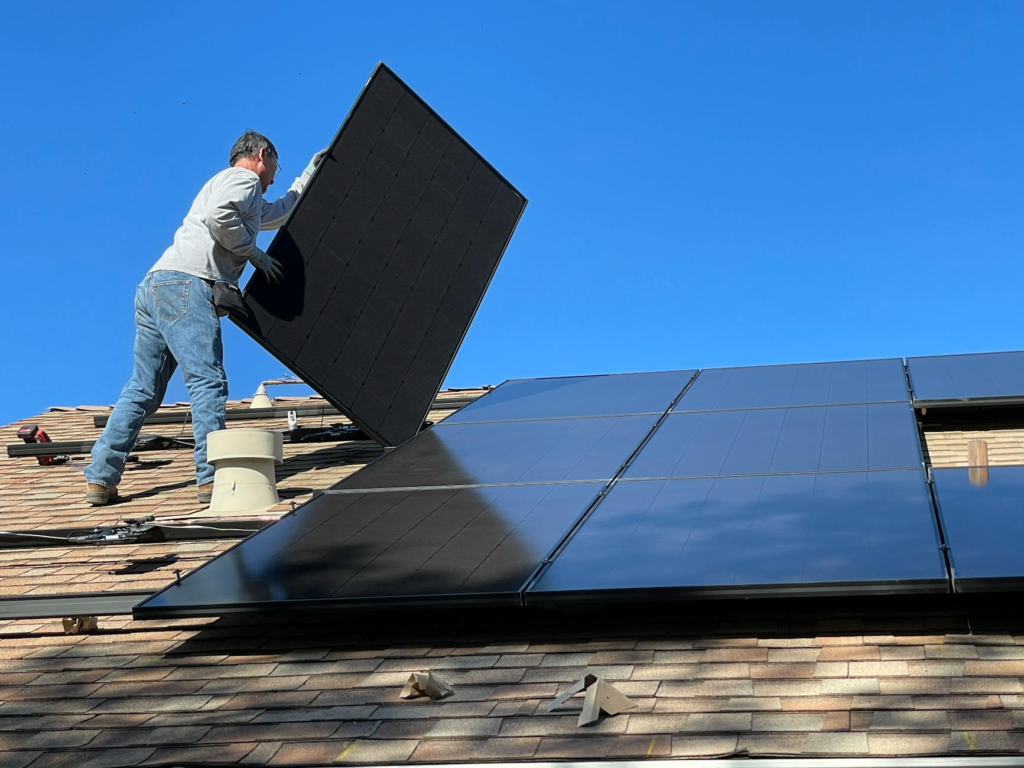
State and local policies play a pivotal role in shaping how solar integrates with population growth. Florida’s net‑metering rules allow solar owners to receive credit for excess electricity sent back to the grid, improving the financial return on investment. Moreover, municipal ordinances that streamline permitting processes reduce time‑to‑install, encouraging developers to act quickly in response to rising demand. Incentive programs that target low‑ and moderate‑income households ensure that the benefits of solar are distributed equitably across a growing demographic.
Future Projections: Solar’s Role in Energy Stability
Forecasts from the Florida Public Service Commission suggest that by 2035, solar will account for roughly 30 % of the state’s electricity mix. In the Panhandle, this shift is expected to align closely with population growth trends, reinforcing the principle of solar population growth energy stability. As more solar capacity comes online, the grid will become less dependent on fossil‑fuel peaker plants, reducing emissions and lowering overall system costs.
| Year | Projected Solar Capacity (MW) | Estimated Population (Thousands) |
|---|---|---|
| 2025 | 1,200 | 1,450 |
| 2030 | 2,100 | 1,620 |
| 2035 | 3,300 | 1,800 |
Practical Steps for Communities
Local leaders can take concrete actions to harness solar’s potential during periods of population growth. First, they should conduct comprehensive solar resource assessments to identify optimal sites for utility‑scale projects. Second, updating zoning codes to allow for solar easements can accelerate adoption on private property. Third, partnering with schools and hospitals to develop on‑site solar farms not only reduces operating costs but also provides educational opportunities about renewable energy. By embedding these strategies into long‑term planning, municipalities can ensure that solar population growth energy stability remains a guiding principle for sustainable development.
In summary, the intersection of expanding populations and rising energy demand creates both challenges and opportunities. Solar power offers a flexible, resilient, and economically advantageous pathway to meet the needs of growing cities like Tallahassee and Panama City. By embracing policies, incentives, and community‑driven projects, the Florida Panhandle can turn population growth into a catalyst for enhanced energy stability.
