



Why Solar Regret Happens in the Florida Panhandle
Homeowners across the Florida Panhandle are eager to tap into the state’s abundant sunshine, yet many report feeling disappointed a few years after installation. This phenomenon, often called “solar regret,” stems from a mismatch between expectations and reality. Common triggers include unexpected maintenance costs, shading issues that reduce output, and misunderstandings about financing options. When the initial excitement fades, the financial and emotional toll can be significant.
Research shows that homeowners who receive thorough education before committing to a solar system experience far less regret. By understanding the trade‑offs up front, they can make decisions that align with their budget, energy goals, and lifestyle. In other words, education is the cornerstone of effective solar regret prevention.
Find us here:
Solar Cost Calculator – Florida Panhandle Only
* Estimate based on $3.25 per watt for solar installation.
* For Tesla Powerwall 3 Batteries, $15,000 for the first battery, $12,000 for each additional battery.
* Other variations and types of Batteries are available.
The Power of Education in Solar Regret Prevention
Education equips homeowners with the knowledge to ask the right questions, evaluate proposals critically, and anticipate future costs. It also helps them recognize which system designs will truly work on their property. When the community embraces a culture of informed decision‑making, the overall satisfaction rates climb dramatically.

In the Panhandle, where weather patterns can shift from sunny to stormy within hours, understanding local climate nuances is essential. Homeowners who learn about panel durability, wind ratings, and hurricane‑resistant mounting systems are better prepared to protect their investment, thereby reducing the chance of regret.
Key Educational Topics for Homeowners
- Solar irradiance and seasonal production patterns specific to the Panhandle.
- Financial models: cash purchase, loans, leases, and power purchase agreements (PPAs).
- Net‑metering policies and how they affect long‑term savings.
- System sizing: matching panel capacity to household consumption.
- Roof integrity, shading analysis, and structural considerations.
- Warranty terms, performance guarantees, and insurance requirements.
Covering these topics during the pre‑installation phase creates a robust foundation for solar regret prevention. It also empowers homeowners to compare offers objectively, rather than relying solely on sales pitches.
Financial Trade‑offs and Long‑Term Satisfaction
One of the biggest sources of regret is a surprise when the expected return on investment (ROI) doesn’t materialize. This often happens because homeowners underestimate the impact of financing choices. For example, a high‑interest loan can erode the savings that a cash‑purchase system would otherwise provide.
Educating buyers about the total cost of ownership—including installation, maintenance, and potential upgrades—allows them to select the financing method that best matches their cash flow. When the financial picture is clear from day one, the likelihood of post‑installation disappointment drops sharply, reinforcing the importance of solar regret prevention.
Technical Considerations Unique to the Panhandle
The Florida Panhandle experiences high humidity, salt‑air exposure near the coast, and occasional severe storms. Panels and inverters that perform well in central Florida may not hold up as well in this micro‑climate. Understanding the technical specifications that matter—such as corrosion‑resistant frames, IEC 61730 certification, and wind‑load ratings—is a critical component of solar regret prevention.
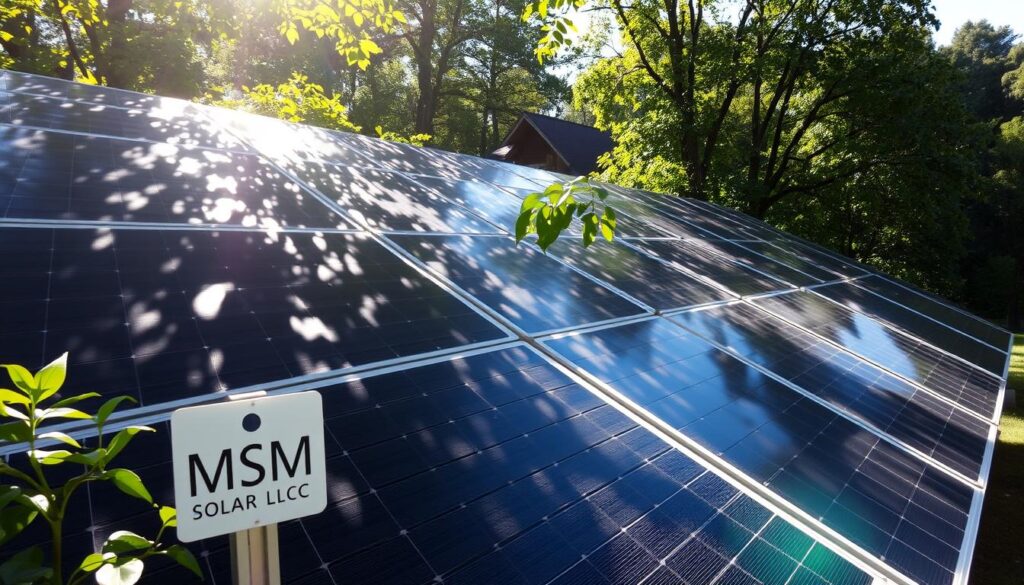
Additionally, many homes in the region have metal roofing, which can affect mounting options. Homeowners who learn about compatible racking systems and the importance of proper flashing can avoid costly retrofits later on.
Choosing the Right Installer: Questions to Ask
Not all solar installers are created equal. An educated homeowner will vet potential partners thoroughly, focusing on experience, local references, and post‑installation support. Below is a concise list of questions that help gauge an installer’s suitability for solar regret prevention:
- How many installations have you completed in the Florida Panhandle?
- Can you provide case studies of homes with similar roof types?
- What warranties do you offer on equipment and labor?
- Do you handle permitting and utility interconnection?
- How do you address shading analysis and system performance monitoring?
Answers that demonstrate local expertise, transparent pricing, and strong after‑sales service are strong indicators that the installer prioritizes long‑term customer satisfaction.
Maintenance Practices That Keep Regret at Bay
Solar panels require minimal but regular upkeep. Simple actions—such as cleaning debris after storms, inspecting mounting hardware annually, and monitoring system performance through an app—can prevent efficiency loss and extend the system’s lifespan. Homeowners who incorporate these habits into their routine experience far fewer surprises, reinforcing the role of ongoing education in solar regret prevention.
Many installers now offer maintenance packages that include scheduled inspections and cleaning. Understanding the cost‑benefit of these packages versus DIY upkeep is another educational point that can influence satisfaction.
Real‑World Success Stories in the Panhandle
Take the case of a family in Pensacola who attended a local solar workshop before deciding to go solar. They learned about the importance of tilt angle, shading from nearby oak trees, and the impact of hurricane‑grade mounting. After implementing the recommendations, their system consistently produced 15% more energy than neighboring installations, and they reported high satisfaction after five years.
Contrast that with a homeowner in Tallahassee who purchased a system based solely on price. Without proper shading analysis, the panels underperformed during the summer months, and the homeowner later faced unexpected inverter replacement costs. This example highlights how a lack of education can lead to regret, whereas informed decisions foster lasting contentment.
Tools and Resources for Ongoing Solar Regret Prevention
Several free and low‑cost tools help homeowners stay educated throughout the life of their system. Solar irradiance maps from the National Renewable Energy Laboratory (NREL), online shading calculators, and utility‑provided net‑metering calculators empower users to track performance and adjust expectations. Regularly reviewing these resources is a proactive step toward solar regret prevention.
Quick Reference Table
| Factor | Education Needed | Impact on Regret |
|---|---|---|
| Financing Choice | Understanding interest rates, loan terms, and PPA vs. cash | High – Affects ROI and cash flow |
| System Sizing | Analyzing household load and seasonal production | Medium – Prevents undersizing/oversizing |
| Roof & Weather Suitability | Assessing wind load, corrosion, shading | High – Directly influences durability |
| Installer Reputation | Reviewing local projects and warranty policies | Medium – Influences post‑install support |
The table above condenses the most critical education points for homeowners aiming at solar regret prevention. By reviewing each factor before signing a contract, you can dramatically increase long‑term satisfaction.
Checklist for Solar Regret Prevention
- Confirm local solar incentives and net‑metering rules.
- Obtain at least three detailed quotes with clear line‑item pricing.
- Conduct a professional shading analysis using a solar pathfinder.
- Verify that panels and inverters have certifications for humidity and wind resistance.
- Review warranty terms for equipment and labor separately.
- Schedule a post‑install performance review within the first six months.
- Plan annual maintenance visits or set reminders for DIY checks.
Following this checklist turns abstract knowledge into actionable steps, cementing the habit of informed decision‑making that underpins successful solar regret prevention strategies.
Conclusion
For Florida Panhandle homeowners, the path to a happy solar experience begins with education. By mastering the financial, technical, and logistical aspects before installation, you lay the groundwork for lasting satisfaction and effectively practice solar regret prevention. Investing time in learning today saves money, stress, and disappointment tomorrow.
