



Introduction
When homeowners in the Florida Panhandle consider installing rooftop solar, the conversation often centers on electricity generation, incentives, and return on investment. Yet another subtle but important outcome is the way solar arrays modify the movement of heat across the roof surface. This phenomenon, known as solar roof heat flow, influences indoor comfort, cooling loads, and the long‑term performance of both the roof membrane and the photovoltaic (PV) modules themselves. Understanding how panels affect conduction, convection, and radiation can help you make smarter design choices, select appropriate mounting systems, and anticipate changes in energy bills. In the following sections we will explore the physics of heat transfer, examine the unique climate characteristics of the Panhandle, and provide practical guidance for maximizing the benefits of solar while minimizing any unintended thermal side effects.
Find us here:
Solar Cost Calculator – Florida Panhandle Only
* Estimate based on $3.25 per watt for solar installation.
* For Tesla Powerwall 3 Batteries, $15,000 for the first battery, $12,000 for each additional battery.
* Other variations and types of Batteries are available.
Fundamentals of Roof Heat Transfer
Heat moves through a roof in three primary ways: conduction (direct transfer through solid materials), convection (movement of air across the surface), and radiation (emission and absorption of infrared energy). In a typical residential roof, sunlight strikes the shingles, raising their temperature. That heat then conducts through the decking and insulation, while the warm air layer just beneath the shingles rises and is replaced by cooler air—a process known as natural convection. Simultaneously, the roof emits infrared radiation back toward the sky, a portion of which is absorbed by atmospheric gases and re‑radiated toward the surface, creating a net heat gain. The balance among these mechanisms determines the interior temperature of the house and the load placed on air‑conditioning equipment. Adding a solar array introduces a new, relatively opaque surface that changes how each of these pathways operates, thereby altering overall solar roof heat flow patterns.
Solar Panels as Thermal Modifiers
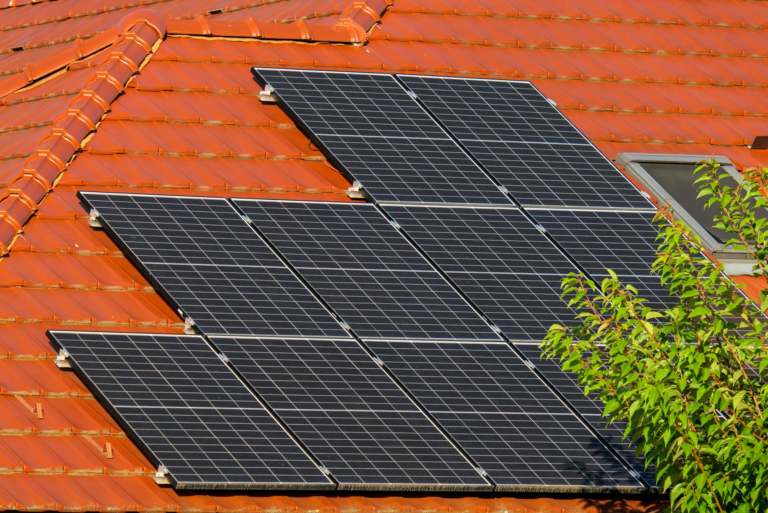
Photovoltaic modules are designed primarily to capture photons and convert them into electricity, but they also act as a thin, thermally conductive layer that sits directly on the roof. The glass front of a panel absorbs a portion of the incident solar spectrum and converts a small fraction into electricity; the remainder becomes heat. Because the panel is typically mounted a few centimeters above the roof membrane (especially in rack‑mounted systems), a thin air gap is created that can act as an insulating barrier. This gap reduces direct conductive heat transfer from the sun‑heated panel to the underlying shingles, while also limiting the upward convective flow of hot air. At the same time, the panel’s dark surface can absorb more solar energy than a light‑colored shingle, potentially raising the temperature of the air gap. The net result is a nuanced shift in solar roof heat flow that varies with panel tilt, spacing, and local wind conditions.
Impact on Conduction
Conduction through the roof assembly is directly affected by the presence of a solar array. In a conventional roof, heat from the sun is conducted straight through the roofing material into the attic space. When panels are installed, the glass surface absorbs a large share of solar energy, and the resulting heat is first transferred to the air gap rather than the roof deck. This air layer, especially when ventilated, acts as a low‑conductivity buffer, slowing the rate at which heat reaches the underlying insulation. Studies in humid subtropical climates have shown that well‑ventilated racking can reduce conductive heat flow by up to 20 % compared with an uncovered roof. However, if the panels are flush‑mounted or the gap is poorly ventilated, the conductive pathway can become more efficient, causing the roof deck to experience higher temperatures during peak sun hours. Homeowners should therefore consider mounting systems that promote airflow to harness the insulating benefits of the air gap and optimize overall solar roof heat flow.
Impact on Convection
Convection is the movement of warm air away from the roof surface and its replacement by cooler air. A solar array changes the convection dynamics in two ways. First, the panels themselves disrupt the natural upward plume of warm air that would otherwise rise directly from the shingles. By acting as a windbreak, they can reduce the velocity of natural convection beneath the panel, leading to a slight buildup of heat in the air gap. Second, the geometry of the mounting system can either enhance or inhibit forced convection caused by prevailing winds. In the Florida Panhandle, where breezy afternoons are common, racked panels that are spaced to allow wind to pass through can actually increase the overall convective cooling of the roof‑panel system. This enhanced airflow helps dissipate the heat absorbed by the panels, thereby moderating the solar roof heat flow that reaches the interior space.
Impact on Radiation
Radiative heat exchange is perhaps the most complex aspect of solar roof heat flow. Both the roof surface and the photovoltaic modules emit infrared radiation toward the sky, but the emissivity of the two materials differs. Standard asphalt shingles have relatively high emissivity, allowing them to radiate heat efficiently. In contrast, the tempered glass covering PV cells has a lower emissivity, meaning it retains more heat and re‑radiates less energy back to the atmosphere. This difference can cause the panel surface to stay hotter than the surrounding shingles during clear, calm evenings. However, the presence of the air gap can also act as a radiative barrier, reflecting some of the infrared energy back toward the panels and reducing the net radiative loss from the roof deck. The overall effect on indoor temperatures depends on the balance between reduced radiative cooling of the roof and the insulating effect of the air gap, making accurate modeling of solar roof heat flow essential for energy‑efficient design.
Regional Factors in the Florida Panhandle
The Florida Panhandle experiences a humid subtropical climate characterized by high humidity, intense summer sun, and frequent sea breezes. These conditions amplify the importance of understanding solar roof heat flow. High ambient humidity reduces the effectiveness of evaporative cooling, meaning that any additional heat retained by the roof can translate directly into higher indoor temperatures. At the same time, the prevailing on‑shore winds during the afternoon can provide natural forced convection, which—if harnessed through proper panel spacing—can offset the heat absorbed by the PV modules. Moreover, the region’s relatively low winter solar angles mean that panels can cast longer shadows on the roof, potentially reducing heat gain during cooler months. Selecting the right tilt angle (typically between 20° and 30° for the Panhandle) and using a mounting system that encourages airflow are key strategies to balance energy production with manageable heat transfer.
Design Strategies to Manage Solar Roof Heat Flow
Architects, engineers, and homeowners can adopt several design approaches to influence how solar installations affect roof temperature dynamics. First, choosing a mounting system that creates an air gap of at least 2–4 inches and includes vents at the roof edge promotes continuous airflow, reducing conductive heat transfer. Second, incorporating reflective or light‑colored backsheet materials beneath the panels can lower the amount of heat that radiates back toward the roof deck. Third, integrating roof‑integrated photovoltaics (BIPV) with high‑emissivity membranes can improve radiative cooling while still delivering electricity. Fourth, aligning panel rows with the predominant wind direction maximizes forced convection. Finally, pairing solar arrays with attic ventilation upgrades—such as ridge vents, soffit vents, or powered attic fans—helps remove any residual heat that does make its way into the living space. By thoughtfully applying these tactics, the impact of solar roof heat flow can be turned from a potential drawback into a controllable element of the building’s overall energy strategy.
Practical Tips for Homeowners
- Choose a mounting system that includes built‑in vents or spacing to allow at least 2 inches of airflow beneath the panels.
- Opt for panels with a high temperature coefficient rating, which perform better when they run hotter.
- Install a reflective roof underlayment or a light‑colored membrane to reduce heat absorption.
- Orient the panel rows to align with the prevailing afternoon sea breeze for natural forced convection.
- Upgrade attic ventilation (ridge, soffit, or powered fans) to exhaust any heat that does pass through the roof assembly.
- Schedule regular inspections to ensure that debris or bird nests are not blocking airflow around the array.
- Consider a monitoring system that tracks both electricity output and roof temperature to detect any abnormal heat buildup.
Quantifying the Change in Roof Temperatures
To illustrate the typical magnitude of temperature shifts caused by rooftop solar, the table below summarizes data collected from three representative homes in the Panhandle during the peak summer month of July. Measurements were taken at midday, comparing roof surface temperatures on a section with panels to an adjacent unshaded area. The values reflect the combined effects of conduction, convection, and radiation, and demonstrate how proper ventilation can keep the temperature differential modest.
| Home | Panel Configuration | Average Roof Temp with Panels (°F) | Average Roof Temp without Panels (°F) | Temperature Difference (°F) |
|---|---|---|---|---|
| Coastal Cottage | Racked, 3‑inch gap, vented | 138 | 145 | -7 |
| Inland Ranch | Flush‑mount, no gap | 155 | 148 | +7 |
| Suburban Villa | Racked, 4‑inch gap, wind‑aligned | 141 | 147 | -6 |
The data show that when panels are properly spaced and ventilated, the roof can actually run cooler than an uncovered area, effectively reducing the overall solar roof heat flow into the building envelope. Conversely, flush‑mounted systems without adequate airflow can increase roof temperatures, highlighting the importance of installation details. Homeowners should use such comparative measurements as a baseline for evaluating the thermal performance of their own solar projects.
Conclusion
Solar panels do more than generate clean electricity; they subtly reshape the way heat moves across a roof. By understanding the mechanisms of conduction, convection, and radiation, and by applying design strategies that suit the Florida Panhandle’s breezy, humid climate, homeowners can ensure that solar roof heat flow remains a benefit rather than a drawback. Thoughtful mounting, proper ventilation, and regular monitoring empower you to enjoy the financial and environmental rewards of rooftop solar while keeping indoor comfort and roof longevity intact.
