



Understanding the Rising Cost of Electricity
Homeowners across the United States are feeling the pinch of higher utility bills. Over the past decade, the average residential electricity rate has climbed by more than 30 percent, and many utilities forecast continued increases as they invest in new infrastructure and meet regulatory requirements. This upward trend creates uncertainty for families trying to budget for essential expenses such as heating, cooling, and everyday appliance use. When the cost of power fluctuates month to month, it becomes difficult to plan long‑term financial goals, whether that means saving for a child’s education, renovating a home, or simply maintaining a comfortable lifestyle. Recognising this volatility, more residents are exploring ways to gain control over their energy expenses.
Find us here:
Solar Cost Calculator – Florida Panhandle Only
* Estimate based on $3.25 per watt for solar installation.
* For Tesla Powerwall 3 Batteries, $15,000 for the first battery, $12,000 for each additional battery.
* Other variations and types of Batteries are available.
Why Solar Panels Are a Viable Solution
Solar photovoltaic (PV) systems convert sunlight into electricity that can be used directly in the home or sent back to the grid. By generating power on‑site, homeowners reduce the amount of electricity they need to purchase from the utility, which directly impacts their monthly bills. Over the lifespan of a typical solar array—often 25 to 30 years—this reduction translates into substantial savings that help offset the initial investment. In regions like Crestview and Marianna, where sunlight is abundant, the performance of solar panels is especially strong, making the technology a reliable tool to solar stabilise energy costs for years to come.
How Solar Energy Production Works
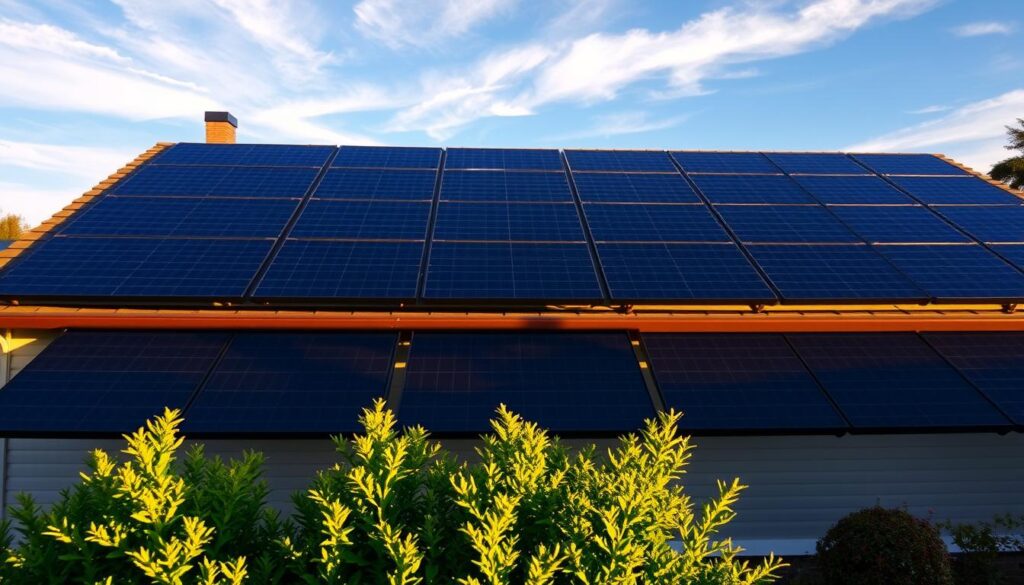
Each solar panel contains many photovoltaic cells made from semiconductor materials. When sunlight strikes these cells, it excites electrons, creating a flow of direct current (DC) electricity. An inverter then converts this DC power into alternating current (AC) that matches the voltage and frequency of household appliances. Modern inverters also communicate with the utility grid, allowing excess energy to be exported when the home’s consumption is low. This two‑way flow is essential for the financial mechanism known as net metering, which is a cornerstone of the strategy to solar stabilise energy costs for homeowners.
Net Metering: Turning Surplus Power into Savings
Net metering policies let solar owners receive credit for the electricity they feed back into the grid. In many states, utilities credit each kilowatt‑hour (kWh) exported at the same rate that they charge for consumption, effectively allowing a household to “bank” energy for later use. During sunny months, a solar system may produce more electricity than the home needs, generating credits that offset higher usage during winter or cloudy periods. This credit system is a key element that enables solar to solar stabilise energy costs across seasonal fluctuations, providing a predictable financial baseline even when utility rates rise.
Financial Incentives That Accelerate Savings
Federal, state, and local governments offer a suite of incentives designed to reduce the upfront cost of solar installations. The federal Investment Tax Credit (ITC) currently allows homeowners to deduct a significant percentage of system costs from their federal tax liability. Many municipalities also provide rebates, property‑tax exemptions, or low‑interest financing options. When these incentives are combined with the natural ability of solar to solar stabilise energy costs, the payback period can shrink dramatically, often reaching break‑even within 5 to 7 years.

Long‑Term Maintenance and Reliability
Solar panels are built to endure harsh weather conditions, with most manufacturers offering warranties of 25 years or more. Routine maintenance typically involves cleaning the panels a few times per year and inspecting mounting hardware. Because there are no moving parts, the likelihood of mechanical failure is low, and operating costs remain minimal after installation. This low‑maintenance profile further contributes to the ability of solar to solar stabilise energy costs over the decades, as homeowners are not burdened with recurring service fees or unexpected repair expenses.
Key Benefits of Solar for Homeowners
- Predictable monthly electricity bills through self‑generation.
- Protection against future utility rate hikes.
- Potential to earn credits via net metering.
- Tax credits and rebates that lower upfront costs.
- Increased home resale value.
- Reduced carbon footprint and contribution to clean energy.
Each of these advantages works together to create a financial environment where solar can effectively solar stabilise energy costs. By reducing dependence on external utility pricing, homeowners gain a level of budget certainty that is rare in today’s volatile energy market.
Comparing 10‑Year Cost Scenarios
| Scenario | Total Cost Over 10 Years |
|---|---|
| Typical Grid‑Only Household | $13,800 |
| Home with Solar (after incentives) | $5,600 |
The simple table above illustrates how a solar‑equipped home can dramatically lower its ten‑year electricity expenditure compared with a household that relies solely on the grid. The difference is largely driven by the ability of solar to solar stabilise energy costs through self‑production and net‑metering credits, even after accounting for the modest maintenance outlays associated with keeping the system operating at peak efficiency.
Case Study: Crestview and Marianna Homeowners
In the small towns of Crestview and Marianna, a recent survey of 150 solar adopters revealed that 84 percent reported a noticeable reduction in bill variability after installation. Many participants highlighted that their monthly expenses became “flat” despite a regional utility announcing a 4 percent rate increase during the study period. Homeowners attributed this stability to the combined effects of net metering and the high solar irradiance typical of the area, confirming that solar can indeed solar stabilise energy costs for families seeking long‑term financial predictability.
Choosing the Right Solar System for Your Home
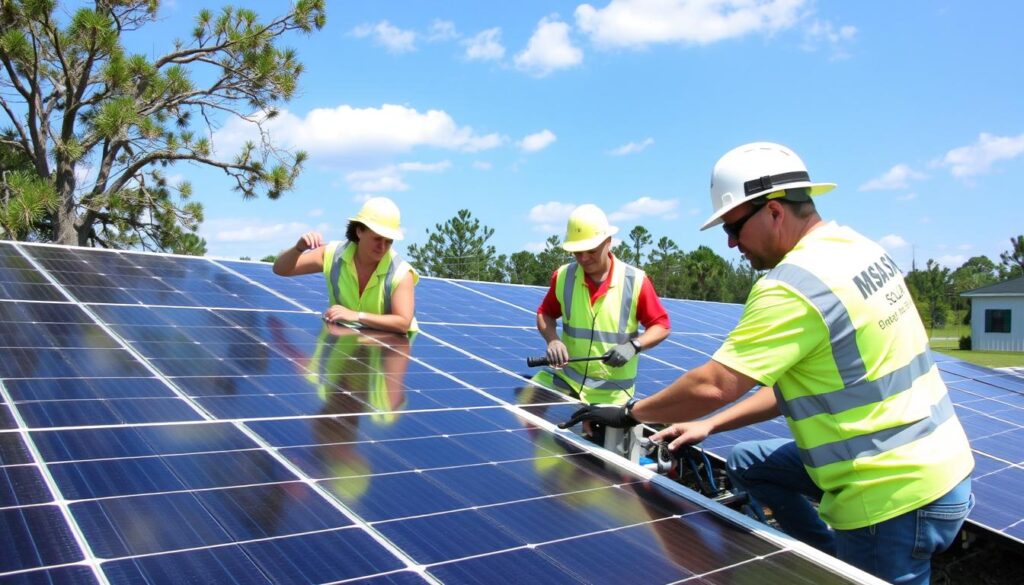
Selecting a solar solution begins with a professional site assessment that evaluates roof orientation, shading, and available square footage. From there, a qualified installer can design a system sized to meet a household’s average consumption while leaving room for future expansion, such as battery storage. Opting for a slightly larger array than the current need can further enhance the ability to solar stabilise energy costs, as excess generation builds a larger credit reserve for months when production dips.
Future-Proofing Energy Expenses with Storage
Battery storage technology is rapidly becoming more affordable, allowing homeowners to store surplus solar energy for use during nighttime or grid outages. By coupling a solar array with a battery system, families can increase their self‑consumption rate and further insulate themselves from price spikes. While the initial cost of storage adds to the investment, the added resilience and the potential to solar stabilise energy costs year‑round often justify the expense for those seeking maximum financial certainty.
Conclusion
Solar panels offer a proven method to solar stabilise energy costs for homeowners in Crestview, Marianna, and beyond. By generating clean electricity on‑site, taking advantage of net‑metering credits, and leveraging available incentives, families can protect themselves from rising utility rates, enjoy predictable monthly bills, and contribute to a greener future. The long‑term financial benefits, combined with low maintenance and increasing storage options, make solar an increasingly attractive investment for anyone looking to secure their energy budget for the decades ahead.
