


Understanding the Need for Surge Protection in Solar Installations
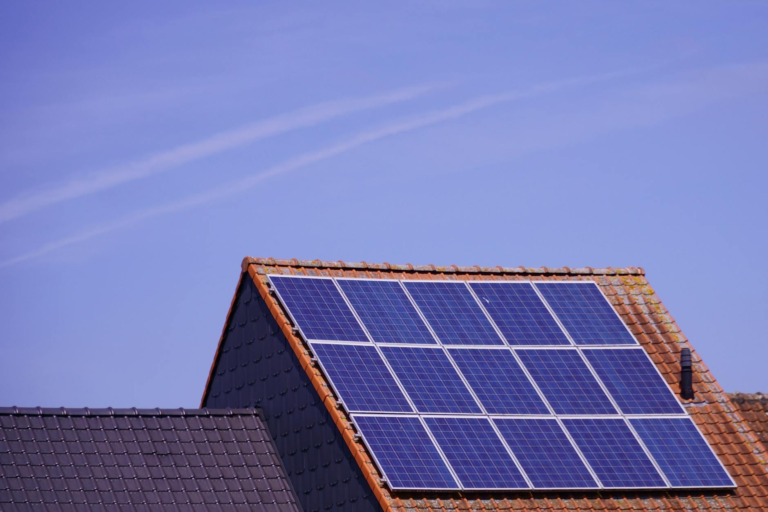
Solar energy has become a cornerstone of sustainable power generation, especially in coastal regions where sunlight is abundant. However, the same weather patterns that provide bright days can also bring intense storms, lightning strikes, and power surges that threaten the delicate electronics of photovoltaic (PV) systems. A solar surge protection system acts as a shield, diverting excess voltage away from critical components and preserving the lifespan of the entire installation. In areas like Pensacola and Destin, where tropical storms are a regular occurrence, integrating surge protection isn’t just a best practice—it’s essential for reliable, uninterrupted energy production.
Find us here:
Solar Cost Calculator – Florida Panhandle Only
* Estimate based on $3.25 per watt for solar installation.
* For Tesla Powerwall 3 Batteries, $15,000 for the first battery, $12,000 for each additional battery.
* Other variations and types of Batteries are available.
How Photovoltaic Systems Convert Sunlight into Electricity
Before diving into the specifics of surge protection, it’s helpful to understand the basic architecture of a solar power system. Solar panels, composed of interconnected silicon cells, generate direct current (DC) electricity when exposed to sunlight. This DC power travels to a charge controller, which regulates voltage to prevent battery over‑charging. From there, an inverter converts the DC into alternating current (AC) suitable for household appliances and the utility grid. Finally, a series of disconnects, wiring, and monitoring devices complete the loop.
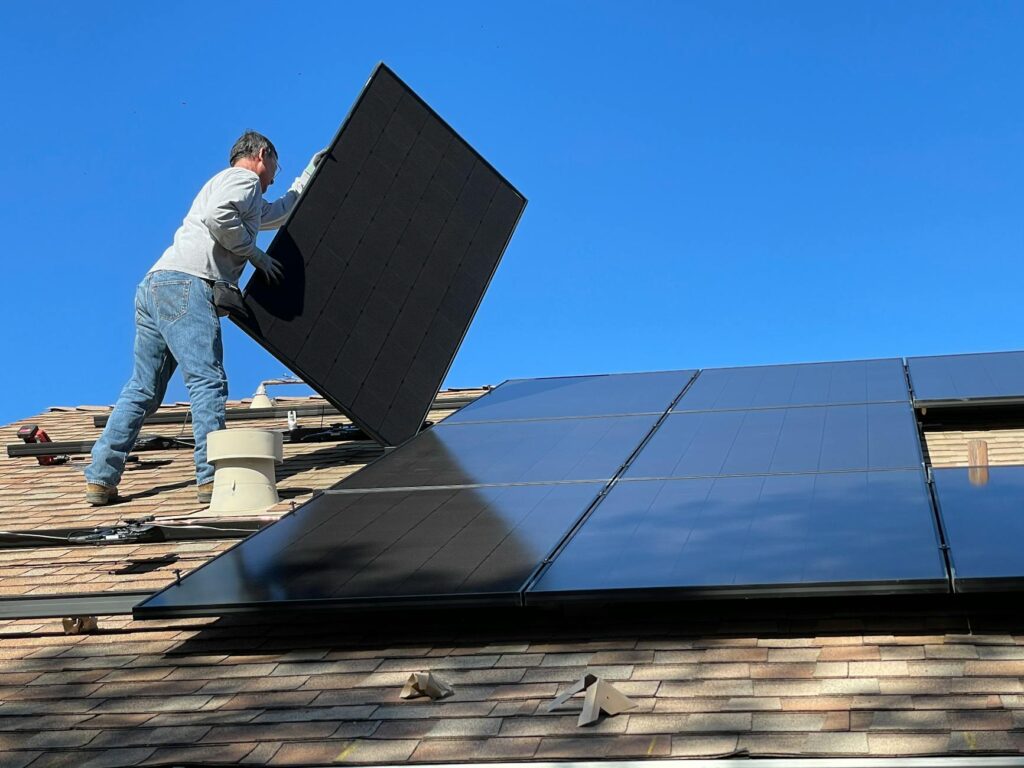
Each component—from the panels themselves to the inverter—contains sensitive semiconductor devices that can be damaged by voltage spikes. When a surge occurs, the excess energy seeks the path of least resistance, often flowing through these vulnerable points and causing immediate failure or gradual degradation.
What Exactly Is a Surge and How Does It Occur?
A surge is a sudden, brief increase in voltage that can be caused by several factors. Lightning strikes are the most dramatic source, delivering millions of volts in a fraction of a second. More subtle surges can originate from the utility grid when large appliances turn on or off, or when there are fluctuations in the power supply caused by distant faults. In coastal regions, the combination of high humidity, salt‑laden air, and frequent thunderstorms creates a perfect storm for these voltage anomalies.
When a surge reaches a solar installation, it can travel through the DC side, the AC side, or even the communication cables used for monitoring. Without proper mitigation, the result is burnt components, reduced efficiency, and costly downtime.
Why a Solar Surge Protection System Is Critical for Reliability
Implementing a dedicated solar surge protection system offers several layers of defense. First, it provides a direct route for excess voltage to be safely grounded, preventing it from passing through sensitive electronics. Second, modern surge protectors are designed to handle the unique voltage ranges of solar arrays, which differ from typical residential circuits. Finally, a well‑engineered system can be integrated with monitoring platforms, alerting owners to any events that may have compromised the system’s integrity.
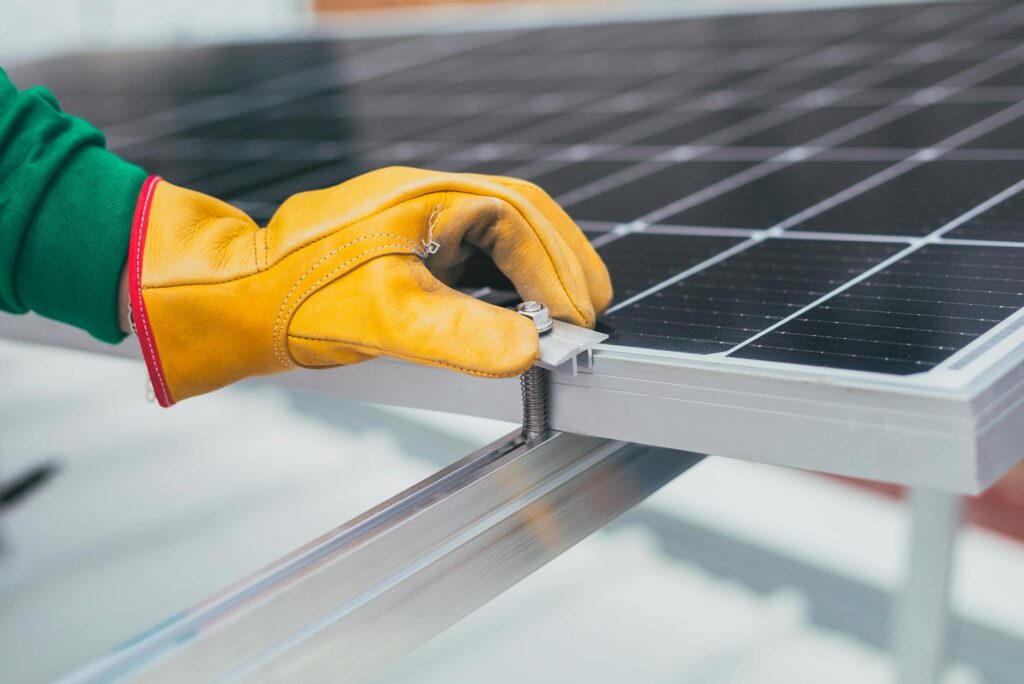
For homeowners and businesses in storm‑prone locales, the financial impact of a damaged inverter or controller can far outweigh the upfront cost of protective devices. In many cases, insurance policies may not cover damage caused by electrical surges, making proactive protection a sound investment.
Key Components of a Solar Surge Protection System
A comprehensive solar surge protection system typically includes the following elements:
- **Surge Protective Devices (SPDs)** – Metal‑oxide varistors (MOVs) or gas discharge tubes installed at the array, inverter, and service entrance.
- **Grounding Electrodes** – Properly sized ground rods or plates that provide a low‑impedance path to earth.
- **Cable Shielding and Routing** – Use of insulated, UV‑resistant conductors and separation of power and communication lines.
- **Monitoring Modules** – Sensors that log surge events and alert operators via a web portal or mobile app.
Each component works together to ensure that any voltage spike is intercepted before it can affect the core of the solar array. Selecting devices that meet UL 1749A and IEC 61643‑11 standards guarantees performance under the most demanding conditions.
Choosing the Right Solar Surge Protection System for Your Location
Not all surge protection solutions are created equal, and the optimal configuration depends on site‑specific factors. In Pensacola and Destin, for example, the high frequency of tropical storms means that the system must be robust enough to handle multiple surge events per year. When evaluating options, consider the following criteria:
- **Voltage Rating** – Ensure the SPD’s maximum continuous operating voltage (MCOV) exceeds the system’s peak voltage.
- **Current Capacity** – Choose devices with sufficient surge current rating (Inom) to survive lightning‑induced spikes.
- **Installation Location** – Place SPDs as close to the source of the surge as possible—typically at the combiner box and inverter input.
- **Warranty and Service** – Look for manufacturers that offer replacement guarantees after a surge event.
By matching the protection level to the local risk profile, you ensure that the solar surge protection system delivers reliable performance year after year.
Installation Best Practices for Maximum Effectiveness
Proper installation is as crucial as selecting the right components. Certified electricians should follow these guidelines:
- Terminate all SPDs with corrosion‑resistant connectors.
- Bond the grounding electrode system to the building’s main ground using a low‑impedance conductor.
- Maintain a minimum separation of 6 inches between power and data cables to reduce induced surges.
- Verify polarity and voltage levels before energizing the system.
After installation, conduct a comprehensive testing sequence, including voltage injection tests, to confirm that the protective pathways are functional.
Maintenance and Monitoring of Your Solar Surge Protection System
Even the most robust solar surge protection system requires periodic inspection. Over time, MOVs can degrade, especially after repeated surge events. Recommended maintenance tasks include:
- Visually inspect SPDs for discoloration, cracking, or corrosion.
- Test grounding resistance; it should remain below 5 Ω.
- Review monitoring logs for any recorded surge incidents.
- Replace any component that shows signs of wear or has reached its end‑of‑life rating.
Integrating a monitoring module allows real‑time alerts, enabling swift response before a minor issue escalates into a major failure.
Cost vs. Risk: Evaluating the Investment
The upfront cost of a solar surge protection system can range from a few hundred to several thousand dollars, depending on system size and the level of protection required. However, the potential savings from avoided equipment replacement, downtime, and lost energy production often outweigh the initial expense. A simple cost‑benefit analysis might look like this:
| Item | Average Cost | Potential Loss Without Protection |
|---|---|---|
| SPDs (set of 3) | $500‑$1,200 | Inverter failure: $2,000‑$5,000 |
| Grounding System | $150‑$300 | Fire damage: $10,000+ |
| Installation Labor | $300‑$600 | System downtime: $1,000‑$3,000 per event |
When you factor in the frequency of storms in the Gulf Coast, the return on investment becomes even more compelling. Moreover, many local utilities offer rebates or incentives for installing surge protection on renewable energy systems.
Benefits Specific to Storm‑Prone Areas Like Pensacola and Destin
Coastal communities face unique challenges: high winds, salt corrosion, and frequent lightning. A dedicated solar surge protection system addresses these challenges by:
- Providing a direct grounding path that resists corrosion from salty air.
- Reducing the likelihood of inverter damage caused by rapid voltage spikes.
- Extending the overall lifespan of panels and wiring by minimizing electrical stress.
- Ensuring compliance with local building codes that often mandate surge protection for new solar installations.
Homeowners who invest in surge protection report higher satisfaction rates, citing fewer service calls and more consistent energy output even after severe weather events.
Common Misconceptions About Solar Surge Protection
Despite its importance, many solar owners hold inaccurate beliefs that can lead to inadequate protection:
- **“My inverter has built‑in protection, so I don’t need extra devices.”** – While inverters include some surge tolerance, they are not designed to absorb the high currents typical of lightning strikes.
- **“A single SPD at the service entrance is enough.”** – Multiple points of protection (array, combiner box, inverter) are essential for comprehensive coverage.
- **“Surge protectors never need replacement.”** – MOVs degrade after each surge; periodic replacement is necessary to maintain effectiveness.
Understanding these myths helps property owners make informed decisions about safeguarding their solar investments.
Frequently Asked Questions
Q: How often should I inspect my solar surge protection system?
A: Conduct visual inspections twice a year and a full functional test after any major storm.
Q: Will a surge protector affect the efficiency of my solar panels?
A: No. Properly rated SPDs have minimal voltage drop and do not impact overall system performance.
Q: Are there rebates available for installing surge protection in Florida?
A: Many utility companies and local governments offer incentives; check with your provider for the latest programs.
Final Thoughts on Protecting Solar Investments
In regions where storms are a regular part of life, a solar surge protection system isn’t an optional upgrade—it’s a critical component of a resilient renewable energy strategy. By selecting the right devices, ensuring proper installation, and maintaining the system over time, homeowners and businesses can protect their solar assets, reduce long‑term costs, and enjoy uninterrupted clean power even when the weather turns severe.
