



Understanding Why Solar Systems Are Designed to Last Decades
When homeowners across the Florida Panhandle invest in a solar installation, they are looking for an energy solution that will serve them for many years without frequent replacements. Modern photovoltaic (PV) technology is not a fleeting trend; it is engineered with durability at its core. By examining the design philosophy, material science, and industry standards that shape today’s solar arrays, we can see why the solar lifespan florida panhandle expectation is realistic and backed by solid engineering. In this article, we’ll explore the factors that give solar systems their long‑term resilience, from the rugged frames that brave salty breezes to the warranties that guarantee performance for 25 years or more.
Find us here:
Solar Cost Calculator – Florida Panhandle Only
* Estimate based on $3.25 per watt for solar installation.
* For Tesla Powerwall 3 Batteries, $15,000 for the first battery, $12,000 for each additional battery.
* Other variations and types of Batteries are available.
How Solar Technology Has Evolved Over the Past Few Decades
The journey from early silicon cells to today’s high‑efficiency modules is a story of relentless improvement. Early panels were heavy, fragile, and prone to degradation under harsh weather. Over time, manufacturers introduced tempered glass, corrosion‑resistant aluminum frames, and advanced encapsulants that protect cells from moisture and UV exposure. These innovations directly impact the solar lifespan florida panhandle by reducing the likelihood of micro‑cracks and delamination—two common failure points in older systems. Additionally, the shift toward larger, single‑piece modules means fewer seams and connections that could become weak spots, further extending the operational life of a solar array.
Core Components Built for Longevity
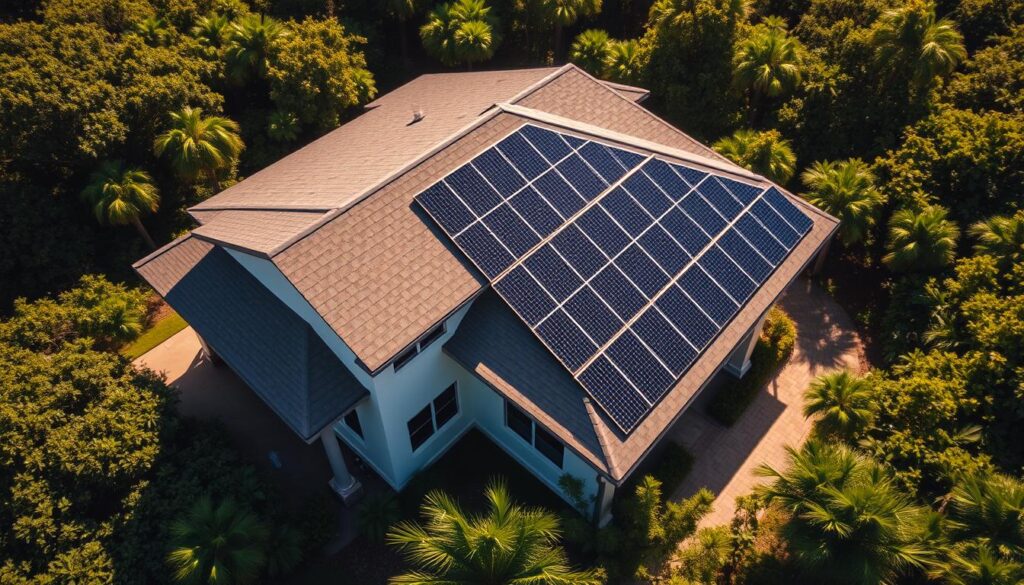
Every solar system consists of three primary components: the photovoltaic cells, the encapsulant, and the mounting structure. Each of these parts has been refined to survive decades of exposure:
- Photovoltaic Cells: Modern cells use high‑purity monocrystalline silicon that resists performance loss, typically degrading less than 0.5% per year.
- Encapsulant: Ethylene‑vinyl acetate (EVA) and newer polyolefin films provide a flexible, waterproof barrier that shields cells from moisture and temperature cycling.
- Mounting Structure: Anodized aluminum or stainless‑steel frames are engineered to withstand wind loads far exceeding the maximum gusts recorded in the Florida Panhandle.
When these components work together, they create a system that can easily meet the 25‑year performance benchmarks that define the solar lifespan florida panhandle expectations.
Materials That Resist the Elements
The Gulf Coast climate poses unique challenges: high humidity, salty air, intense sunlight, and occasional hurricanes. To combat these, manufacturers select materials that are intrinsically resistant to corrosion and UV degradation. Tempered glass, for example, is treated to repel water and resist scratching, while the frame’s anodized coating forms a protective oxide layer that prevents rust. Even the wiring uses UV‑stable, double‑insulated cables that can endure prolonged sun exposure without becoming brittle. These material choices are essential for maintaining the solar lifespan florida panhandle and ensuring that power output remains stable year after year.
Engineering Standards and Certifications That Guarantee Durability
Industry certifications such as IEC 61215 (performance), IEC 61730 (safety), and UL 1703 (flame resistance) set rigorous testing protocols that every reputable solar module must pass before it reaches the market. These tests simulate decades of exposure to temperature extremes, humidity, and mechanical stress. By meeting or exceeding these standards, manufacturers demonstrate that their products can reliably achieve the solar lifespan florida panhandle targets set by installers and utility partners. Moreover, independent third‑party labs regularly audit production lines, ensuring that each batch of modules maintains the same high level of quality.
The Role of the Florida Panhandle Climate in System Design
Designers of solar installations in the Florida Panhandle must account for a climate that can be both a blessing and a challenge. While abundant sunshine maximizes energy generation, the region’s proximity to the Gulf of Mexico brings salty breezes that accelerate corrosion on unprotected metal. To mitigate this, mounting hardware is often fabricated from marine‑grade stainless steel or coated with a marine‑grade powder finish. Additionally, engineers calculate wind load ratings based on the latest National Weather Service data, ensuring that racking systems can survive wind speeds well above the historical maximums recorded in the area. These climate‑specific adaptations directly support the promised solar lifespan florida panhandle by reducing premature wear.
Warranty and Performance Guarantees That Reflect Long‑Term Confidence
One of the most tangible indicators of a solar system’s expected durability is the warranty package offered by manufacturers and installers. Most reputable brands provide a 25‑year product warranty covering defects and a separate performance guarantee that ensures the system will retain at least 80% of its original output after 25 years. These warranties are not just marketing tools; they are legally binding commitments that reflect confidence in the solar lifespan florida panhandle. When a warranty is backed by a financially stable company, homeowners can trust that any future issues will be addressed without unexpected costs.
| Warranty Type | Coverage Duration | Key Benefit |
|---|---|---|
| Product Warranty | 25 Years | Covers material defects and workmanship. |
| Performance Guarantee | 25 Years | Ensures ≥80% of rated output. |
| Inverter Warranty | 10–15 Years | Protects the power conversion unit. |
The table above outlines the typical warranty structure you’ll encounter when evaluating solar options in the Panhandle. By aligning these guarantees with the local environmental stresses, manufacturers signal that their products are built to withstand the specific challenges of the region, reinforcing the overall solar lifespan florida panhandle narrative.
Maintenance Practices That Extend System Life
Even the most robust solar system benefits from regular, low‑effort maintenance. Simple actions such as periodic cleaning, visual inspections for loose connections, and checking inverter health can prevent small issues from escalating into costly repairs. In the Florida Panhandle, where pollen and occasional sea spray can accumulate on panel surfaces, a quarterly rinse with a garden hose is usually sufficient. Additionally, trimming overhanging branches reduces the risk of debris impact during storms. These routine practices help maintain the solar lifespan florida panhandle and keep the system operating at peak efficiency.
Real‑World Case Studies Demonstrating Decades‑Long Performance
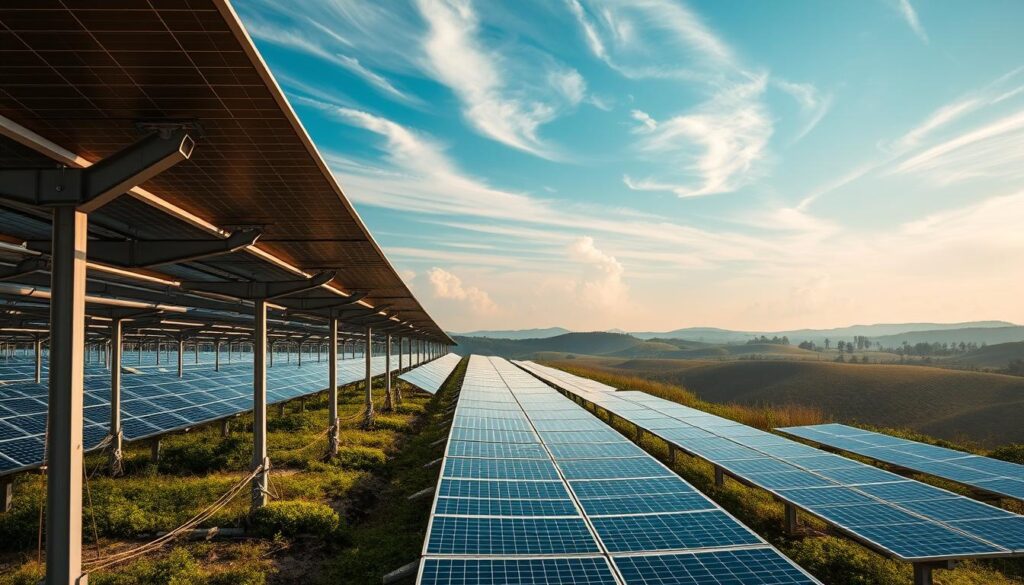
Several installations across the Gulf Coast have already surpassed the 20‑year mark while still delivering over 85% of their original output. For example, a community solar farm in Pensacola installed in 2005 underwent a comprehensive performance audit in 2023. The audit revealed a degradation rate of just 0.35% per year, well below the industry average. Similarly, a residential system in Destin, installed in 2008, required only a single inverter replacement after 12 years, with the panels themselves showing no signs of delamination or corrosion. These real‑world examples validate the engineering claims and illustrate how the solar lifespan florida panhandle is not merely theoretical.
Future Trends and Longevity Outlook for Solar in the Panhandle
Looking ahead, emerging technologies such as bifacial modules, which capture sunlight from both sides, and advanced anti‑soiling coatings promise even greater efficiency and durability. Researchers are also developing encapsulants with built‑in UV inhibitors that could further slow degradation rates. As these innovations become mainstream, the expected solar lifespan florida panhandle could extend beyond the current 25‑year benchmark, offering homeowners even more value over the life of their investment.
Conclusion
Solar systems are purpose‑built to endure the unique environmental pressures of the Florida Panhandle, combining high‑quality materials, rigorous engineering standards, and comprehensive warranties. By understanding the science behind the solar lifespan florida panhandle, homeowners can make confident decisions that provide clean, reliable energy for decades to come.
