



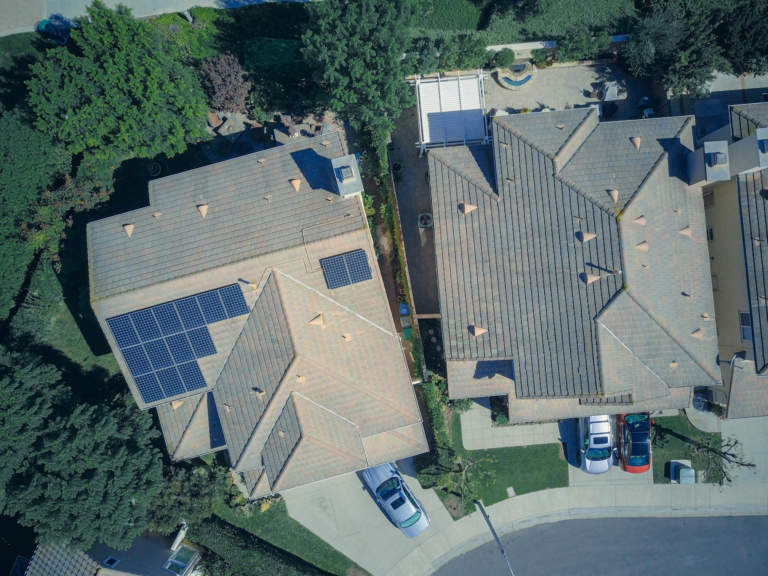
Understanding Solar System Oversizing
When homeowners in the Florida Panhandle consider installing solar panels, they often encounter the term solar system oversizing. This concept may sound counterintuitive at first—why would anyone design a system to produce more electricity than the household typically consumes? The answer lies in the natural variability of solar production, seasonal shifts in sunlight, and the desire to maximize financial returns. By deliberately selecting a slightly larger array, installers can ensure that the system remains efficient throughout the year, even when factors like temperature, dust, or shading reduce output. In this article, we’ll explore the technical, economic, and practical reasons behind this strategy, and how it benefits Florida residents who want reliable, cost‑effective renewable energy.
Find us here:
Solar Cost Calculator – Florida Panhandle Only
* Estimate based on $3.25 per watt for solar installation.
* For Tesla Powerwall 3 Batteries, $15,000 for the first battery, $12,000 for each additional battery.
* Other variations and types of Batteries are available.
Seasonal Efficiency Fluctuations in the Panhandle
The Florida Panhandle experiences a distinct seasonal pattern that influences solar panel performance. During the hot summer months, panels can suffer from reduced efficiency due to higher temperatures—a phenomenon known as temperature coefficient loss. Conversely, winter days often bring clearer skies and lower ambient temperatures, which can boost panel efficiency. Additionally, the angle of the sun changes throughout the year, affecting how much direct sunlight each panel receives. These variations mean that a system sized exactly to meet a household’s average annual consumption might fall short during peak demand periods in the summer or produce excess energy in the winter.
By incorporating solar system oversizing, installers create a buffer that compensates for these seasonal dips. The extra capacity ensures that even on the hottest, cloudiest days, the system can still meet most of the home’s energy needs, reducing reliance on the grid and preserving the homeowner’s investment.
How Oversizing Impacts Energy Production
To grasp the effect of oversizing, consider a typical 5 kW residential system designed for an average daily consumption of 20 kWh. If the system is oversized by 20 %, the installed capacity becomes 6 kW. On a sunny day, this extra 1 kW can generate an additional 4–5 kWh, which can be stored in a battery or fed back into the grid for net‑metering credits. During less optimal periods—such as a humid, overcast summer afternoon—the same oversizing can offset the efficiency loss, delivering close to the required energy without a noticeable shortfall.
In practice, the oversizing percentage is carefully calculated based on local irradiance data, typical weather patterns, and the homeowner’s consumption profile. For the Panhandle, a common range is 10–25 % oversizing, striking a balance between upfront cost and long‑term reliability.
Financial Advantages of Slight Oversizing
Beyond technical considerations, solar system oversizing offers tangible financial benefits. First, it increases the total kilowatt‑hours (kWh) generated over the system’s lifespan, which translates directly into higher savings on utility bills. In regions with net‑metering policies, any excess electricity sent to the grid earns credits that can be applied to future bills, effectively turning the oversizing into a revenue stream.
Second, oversizing can improve the return on investment (ROI) by shortening the payback period. While the initial cost is higher, the additional energy production accelerates the point at which the system pays for itself. For many Panhandle homeowners, the difference can be as much as one to two years—a compelling incentive when evaluating long‑term financial planning.
Key Factors Influencing Oversizing Decisions
- Local solar irradiance and weather patterns
- Temperature coefficient of the chosen panels
- Roof orientation and tilt angle
- Presence of shading from trees or nearby structures
- Homeowner’s energy consumption trends (seasonal peaks)
- Availability of net‑metering or feed‑in tariffs
Each of these factors plays a role in determining the optimal oversizing percentage. For instance, a roof with a south‑facing orientation and minimal shading may require less oversizing than a roof that is partially shaded during afternoon hours. Likewise, homes with significant air‑conditioning loads in summer may benefit from a higher oversizing margin to ensure enough power during the hottest months.
Common Misconceptions About Oversizing
There are several myths surrounding the practice of building a larger-than‑necessary solar array. One prevalent belief is that oversizing will cause the inverter to overload or fail. Modern inverters are designed with a safety margin and can handle a modest increase in input power, especially when the system is sized within the recommended 10–25 % range. Another misconception is that the extra capacity will be wasted. In reality, any surplus energy can be stored in batteries, used for electric vehicle charging, or exported to the grid for credits, ensuring that the additional generation is effectively utilized.
Lastly, some homeowners worry that oversizing will lead to higher maintenance costs. While a larger system does have more components, the incremental maintenance is typically minimal, especially when high‑quality panels and reputable installers are chosen. The long‑term benefits often outweigh these small additional expenses.
Designing an Oversized System for the Florida Panhandle
When planning a solar installation in the Panhandle, the first step is a thorough site assessment. This includes measuring roof dimensions, evaluating shading, and analyzing historical solar data. After establishing the baseline system size needed to meet the homeowner’s average consumption, the designer adds the oversizing factor—typically between 15 % and 20 % for this region.
The next phase involves selecting components that can accommodate the increased capacity. High‑efficiency monocrystalline panels are often preferred because they produce more power per square foot, reducing the roof space required for the larger array. Inverters with a higher input rating are chosen to ensure safe operation under peak production conditions. Finally, the layout is optimized to maximize sun exposure throughout the day, taking advantage of the Panhandle’s relatively flat terrain and abundant sunlight.
Case Study: Oversizing in Action
Consider a family in Destin, FL, with an average monthly electricity usage of 1,200 kWh. Their original system design called for a 7 kW array, which would meet their needs under average conditions. After evaluating seasonal temperature effects and local shading from nearby palms, the installer recommended a 20 % oversizing, resulting in an 8.4 kW system.
During the hottest July month, the panels operated at 85 % of their rated efficiency due to high temperatures, but the oversizing compensated for the loss, delivering 1,050 kWh—still covering 87 % of the family’s consumption. In contrast, the cooler December period saw the system operating at 110 % efficiency, generating 1,380 kWh and creating a surplus that was fed back to the grid, earning valuable credits. Over the first three years, the family saved approximately $7,500 compared to the projected savings of a non‑oversized system.
Simple Comparison Table
| Metric | Standard Sizing | Oversized (20 %) |
|---|---|---|
| System Capacity (kW) | 7.0 | 8.4 |
| Average Summer Output (kWh) | 950 | 1,050 |
| Average Winter Output (kWh) | 1,200 | 1,380 |
| Payback Period (years) | 8.5 | 7.0 |
Environmental Impact of Oversized Systems
Beyond the monetary advantages, solar system oversizing contributes positively to environmental goals. By generating more clean electricity, homeowners reduce their reliance on fossil‑fuel‑based power, decreasing greenhouse gas emissions. The additional energy produced during peak sunlight hours can also alleviate stress on the local grid, especially during hot summer days when demand spikes due to air‑conditioning use. In the broader context, widespread adoption of slightly oversized residential systems can accelerate the transition to a low‑carbon energy mix across the Panhandle.
It’s important to note that the environmental benefit scales with the size of the oversizing. While a modest 10 % increase yields measurable gains, going beyond 30 % may lead to diminishing returns, as excess energy might be wasted if storage or grid feed‑in options are limited. Therefore, a balanced approach—tailored to local conditions and utility policies—ensures both ecological and economic efficiency.
Regulatory and Incentive Considerations
Florida offers several incentives that make solar system oversizing even more attractive. The state’s net‑metering policy allows homeowners to receive full retail credit for excess electricity sent back to the grid, effectively turning surplus production into a financial asset. Additionally, federal tax credits, such as the Investment Tax Credit (ITC), apply to the total system cost, including any additional panels used for oversizing.
However, certain utility interconnection agreements may set limits on the maximum allowable system size relative to the home’s historical usage. Before committing to an oversized design, homeowners should consult with their utility provider to confirm compliance and understand any potential caps on net‑metering credits. Working with an experienced installer ensures that the system adheres to local codes while still delivering the benefits of oversizing.
Tips for Homeowners Considering Oversized Solar
- Conduct a detailed energy audit to identify seasonal peaks and average usage.
- Engage a certified solar installer familiar with Florida’s climate and net‑metering rules.
- Ask for a performance simulation that includes temperature and shading effects.
- Evaluate battery storage options to capture excess generation for nighttime use.
- Review your utility’s interconnection agreement for size limits or credit caps.
- Factor in future energy needs, such as electric vehicle charging or home expansions.
By following these steps, homeowners can make an informed decision about the appropriate level of oversizing, ensuring that the system remains cost‑effective and resilient over its 25‑plus‑year lifespan.
Future Trends: Smart Controls and Adaptive Oversizing
The solar industry is evolving rapidly, with smart inverters and AI‑driven energy management systems becoming more common. These technologies can dynamically adjust the output of an oversized system, optimizing performance based on real‑time weather data and household demand. In the near future, homeowners may benefit from adaptive oversizing, where the system automatically scales its output—or routes excess energy to storage—without manual intervention. This integration will further enhance the value proposition of slightly oversized solar arrays, making them an even more compelling choice for the Florida Panhandle market.
In summary, solar system oversizing is a strategic design choice that addresses the inherent variability of solar production, maximizes financial returns, and supports environmental stewardship. By carefully calibrating the degree of oversizing to local conditions and homeowner needs, Panhandle residents can enjoy reliable, cost‑effective clean energy for decades to come.
Overall, a modestly oversized solar installation provides a safety net against seasonal efficiency drops, improves ROI, and aligns with both state incentives and future smart‑grid technologies. For anyone looking to invest in solar power in the Florida Panhandle, considering a slight oversizing strategy is a smart move that pays dividends in both the short and long term.
By understanding the why behind oversizing, homeowners can make confident, data‑driven decisions that ensure their solar system performs at its best, year after year.
