

Introduction
Across the Gulf Coast, homeowners in Pensacola and Destin are witnessing a rapid transformation in the way they power their homes. The catalyst behind this shift is the steady stream of solar technology improvements Florida residents are benefiting from each year. From higher panel efficiencies to smarter energy storage solutions, the solar industry is evolving at a pace that makes renewable power more reliable, affordable, and attractive than ever before. In this article we will explore the key drivers of this progress, examine how local climate conditions amplify the advantages of modern solar systems, and highlight the research breakthroughs that promise to keep the momentum going. By understanding the forces behind solar technology improvements Florida homeowners can make more informed decisions and capitalize on the latest innovations.
Find us here:
Solar Cost Calculator – Florida Panhandle Only
* Estimate based on $3.25 per watt for solar installation.
* For Tesla Powerwall 3 Batteries, $15,000 for the first battery, $12,000 for each additional battery.
* Other variations and types of Batteries are available.
How Solar Technology Has Evolved
The journey from the first silicon wafer panels of the 1970s to today’s high‑performance modules is a story of relentless engineering and material science breakthroughs. Early panels typically delivered less than 10 % efficiency, meaning a large roof area was needed to generate modest electricity. Modern commercial‑grade panels routinely exceed 22 % efficiency, and some cutting‑edge models push past 24 %. This leap is largely due to advancements in cell architecture, such as the adoption of PERC (Passivated Emitter Rear Cell) technology, bifacial designs that capture light from both sides, and the integration of half‑cut cells that reduce resistive losses. Each incremental improvement directly translates into more power per square foot, a crucial factor for Florida homes where roof space can be at a premium.
Efficiency Gains
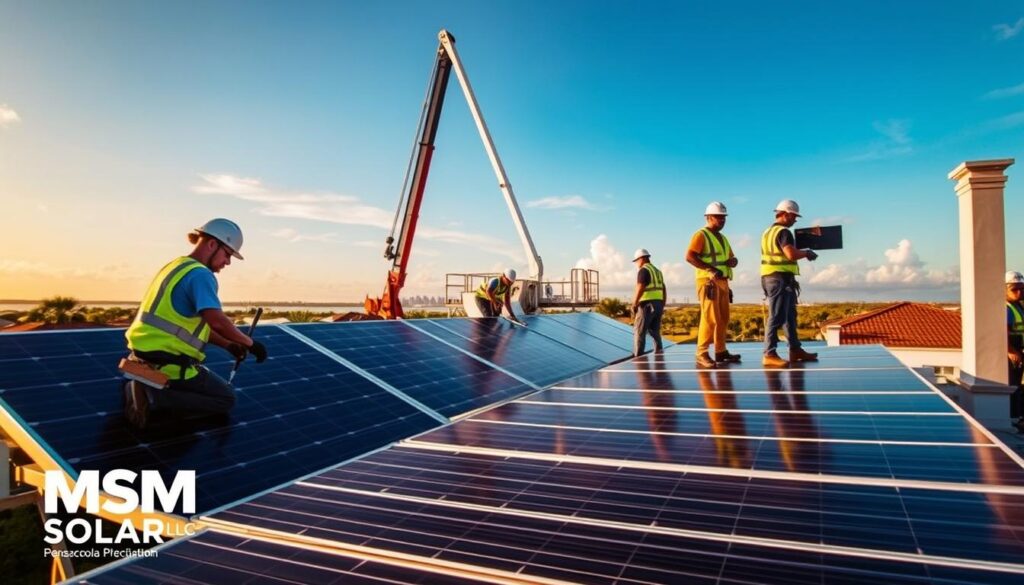
Efficiency gains are not just about numbers on a spec sheet; they affect real‑world outcomes for homeowners. Higher efficiency means a smaller system can meet the same energy demand, reducing material costs, labor, and structural load on the roof. In the sunny climate of Pensacola and Destin, panels operate near their peak performance for a larger portion of the year, making every percentage point of efficiency more valuable. Moreover, the improved tolerance to high temperatures—a common challenge in Florida—helps maintain output during the hottest months, ensuring that solar technology improvements Florida residents enjoy are both measurable and durable.
Storage Innovations
While panel efficiency has surged, the ability to store solar energy has also seen dramatic progress. Lithium‑ion batteries, once prohibitively expensive, have dropped in price by more than 80 % over the past decade, making home energy storage a viable complement to rooftop installations. New battery chemistries, such as lithium‑iron‑phosphate (LFP), provide longer lifespans and enhanced safety, which is especially important in the humid, hurricane‑prone environment of the Gulf Coast. Integrated storage systems now offer seamless switching between solar generation, battery discharge, and grid import, allowing homeowners to maximize self‑consumption and protect against outages. These storage advancements are a core component of why solar technology improvements Florida households experience are increasingly holistic.
Specific Benefits for Florida Homeowners
Florida’s unique climate and regulatory landscape create a perfect storm for solar adoption. The state’s abundant sunshine, combined with favorable net‑metering policies, means that every kilowatt‑hour generated can offset a comparable amount of electricity purchased from the utility. Additionally, the state offers a variety of tax incentives, rebates, and financing programs that lower the upfront cost of solar installations. When solar technology improvements Florida homeowners rely on—like higher‑efficiency panels and affordable storage—are layered onto these incentives, the return on investment accelerates dramatically. The result is a compelling financial case that aligns with environmental stewardship.
Climate Compatibility
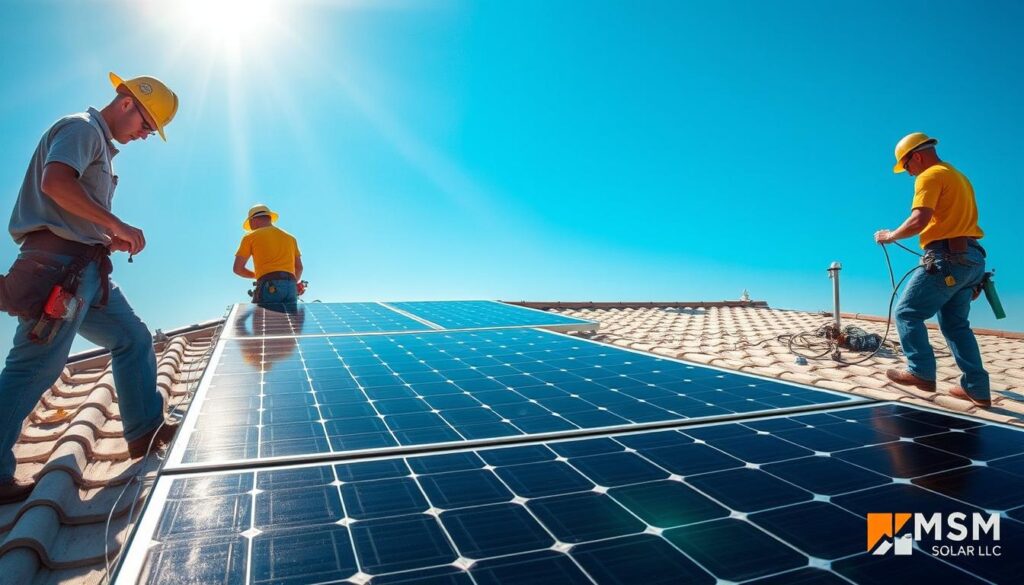
One of the most significant advantages of modern solar technology in Florida is its resilience to high temperatures and humidity. Advanced encapsulant materials protect cells from moisture intrusion, while robust frame designs withstand strong wind loads common during hurricane season. Moreover, the advent of bifacial panels, which capture reflected light from the ground, can increase energy production by up to 15 % in the bright, reflective conditions typical of coastal areas. These climate‑specific improvements ensure that the solar systems installed today remain productive and reliable for decades, reinforcing the long‑term value of the investment.
Financial Incentives
The financial ecosystem supporting solar in Florida continues to evolve alongside technology. State‑wide rebates, utility‑offered credits, and the federal Investment Tax Credit (ITC) combine to offset a substantial portion of installation costs. When paired with the decreasing price of high‑efficiency panels and storage, the payback period for a typical residential system can shrink to as little as five to seven years. After this period, the electricity generated is essentially free, providing homeowners with a steady stream of savings that can be redirected toward other home improvements or lifestyle choices.
Ongoing Research and Development
The solar industry’s momentum is fueled by continuous research in both academia and the private sector. Universities across Florida, such as the University of Florida and Florida State University, are collaborating with industry leaders to develop next‑generation photovoltaic materials that promise even higher efficiencies and lower production costs. Meanwhile, startups are exploring novel concepts like perovskite‑silicon tandem cells, which could push conversion efficiencies beyond 30 %. These R&D efforts are not isolated; they feed directly into the market, ensuring that solar technology improvements Florida consumers experience are grounded in cutting‑edge science.
Materials Science
Materials science is at the heart of the latest solar breakthroughs. Researchers are engineering anti‑reflective coatings that reduce light loss, while novel conductive inks enable flexible solar panels that can be integrated into building materials like roofing shingles or windows. These innovations broaden the application scope of solar beyond traditional rooftop arrays, allowing homeowners to incorporate solar generation into virtually any surface. As these materials become commercially viable, the market will see a diversification of solar products tailored to the architectural aesthetics of Florida homes.
Smart Integration
Smart home technology is converging with solar energy systems to create fully automated, data‑driven power solutions. Modern inverters now feature built-in monitoring dashboards, predictive maintenance alerts, and seamless integration with home energy management platforms. This connectivity allows homeowners to track production in real time, optimize battery usage based on weather forecasts, and even sell excess power back to the grid through demand‑response programs. The synergy between smart devices and solar technology improvements Florida households adopt is reshaping how energy is consumed and managed on a daily basis.
The Future Outlook
Looking ahead, the trajectory of solar technology suggests even greater benefits for Florida residents. Emerging trends such as agrivoltaics, where solar panels are combined with agricultural production, and community solar projects that allow renters and multi‑unit dwellers to participate, are expanding the reach of renewable energy. As policy frameworks evolve to support these models, the collective impact of solar technology improvements Florida communities can achieve will grow, fostering energy independence and resilience at a regional scale.
Emerging Trends
One of the most exciting developments on the horizon is the commercialization of perovskite solar cells. These thin‑film technologies promise lower manufacturing costs and flexible form factors, which could lead to solar‑integrated building materials that blend seamlessly with existing architecture. Coupled with advancements in artificial intelligence for predictive energy forecasting, future systems will be capable of autonomously adjusting load profiles, maximizing self‑consumption, and minimizing reliance on the grid. For Florida homeowners, these trends translate into more versatile, efficient, and cost‑effective solar solutions.
Community Impact
The ripple effect of solar adoption extends beyond individual households. Increased solar generation reduces strain on the regional grid, lowers overall carbon emissions, and creates local jobs in installation, maintenance, and manufacturing. Community solar initiatives enable neighborhoods to pool resources, making solar accessible to renters and low‑income families who might otherwise be excluded. As solar technology improvements Florida communities experience continue to accumulate, the collective environmental and economic benefits will reinforce each other, fostering a more sustainable future for the Gulf Coast.
Key Metrics of Recent Solar Advances
| Metric | 2020 | 2023 |
|---|---|---|
| Average Panel Efficiency | 18 % | 22 % |
| Battery Cost (per kWh) | $1,200 | $350 |
| Installation Labor Cost | $1,500 per kW | $1,200 per kW |
| Average Payback Period (years) | 9‑11 | 5‑7 |
Conclusion
The steady stream of solar technology improvements Florida homeowners enjoy—from higher‑efficiency panels and affordable storage to smart integration and resilient designs—means that the decision to go solar is more compelling than ever. As research continues to push the boundaries of what solar can achieve, residents of Pensacola, Destin, and the broader Gulf Coast can look forward to cleaner, cheaper, and more reliable energy for years to come.
