



Understanding Seasonal Tourism Energy Patterns
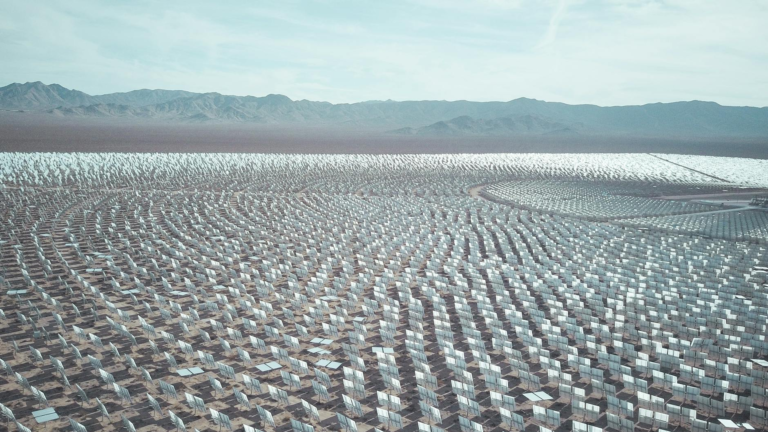
Coastal destinations and popular vacation corridors often experience dramatic swings in electricity usage that correspond directly with the arrival and departure of tourists. During the peak months of summer, hotels, restaurants, water parks, and beachfront amenities all draw heavily on the local power grid, creating a surge that can outpace the baseline consumption of permanent residents. This phenomenon is commonly referred to as tourism energy grid demand, and it becomes especially pronounced in regions where solar generation already contributes a sizable share of the energy mix. When the influx of visitors aligns with sunny weather, the interaction between solar output and the heightened load creates a unique set of operational challenges and economic opportunities for utilities, developers, and municipal planners.
Find us here:
Solar Cost Calculator – Florida Panhandle Only
* Estimate based on $3.25 per watt for solar installation.
* For Tesla Powerwall 3 Batteries, $15,000 for the first battery, $12,000 for each additional battery.
* Other variations and types of Batteries are available.
Why Seasonal Peaks Matter for Grid Stability
Grid stability hinges on the delicate balance between electricity supply and demand at any given moment. In a typical year, utilities can forecast demand patterns with reasonable accuracy, allowing them to schedule generation, manage storage, and procure ancillary services. However, tourism-driven spikes can be both sudden and sustained, forcing operators to rely on fast‑acting resources such as peaker plants, battery banks, or demand‑response programs. If the local grid is already heavily loaded with solar generation, the timing of solar production relative to tourist activity becomes critical. A mismatch—where solar output peaks before the majority of visitors arrive or drops off while demand remains high—can lead to voltage fluctuations, frequency deviations, and, in extreme cases, rolling blackouts.
Key Factors Amplifying the Challenge
- Concentration of hotels and resorts within a limited geographic footprint.
- High‑intensity air‑conditioning loads during heat waves.
- Extended operating hours for entertainment venues and nightlife.
- Variable occupancy rates that can change daily based on events or weather.
Each of these factors contributes to a volatile load profile that is difficult to smooth with conventional generation alone. When the grid relies heavily on solar, operators must also contend with the intermittent nature of sunlight, which can be affected by cloud cover, seasonal angle changes, and even shading from nearby structures built to accommodate tourists.
The Role of Solar Energy in Tourist Hubs
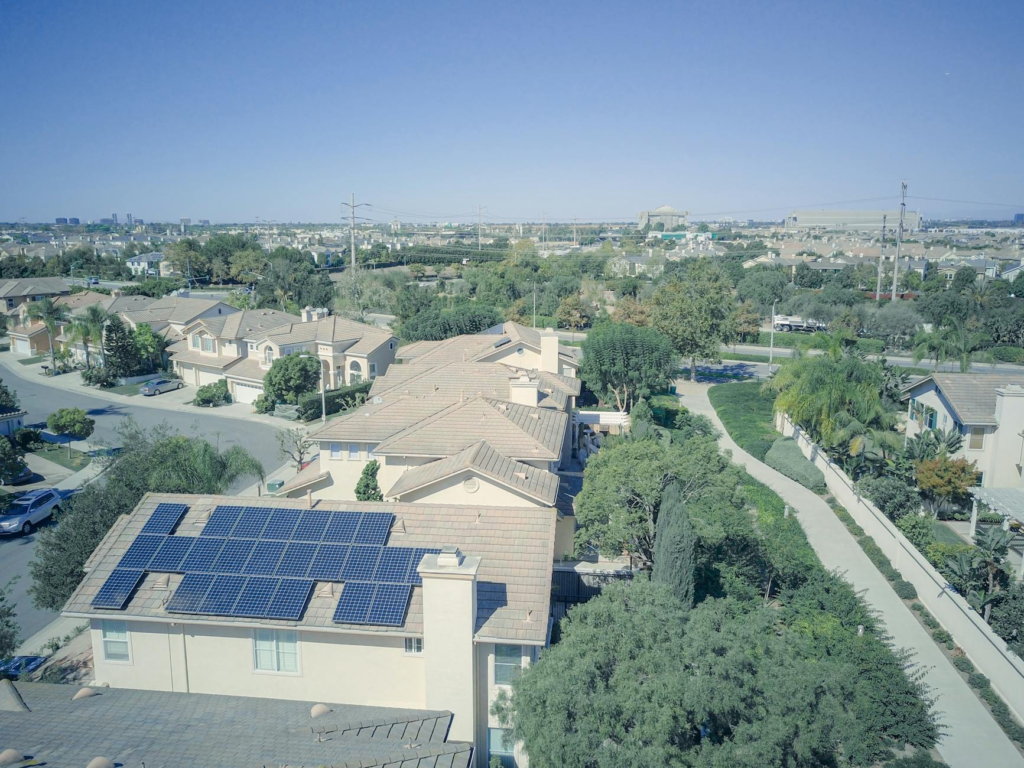
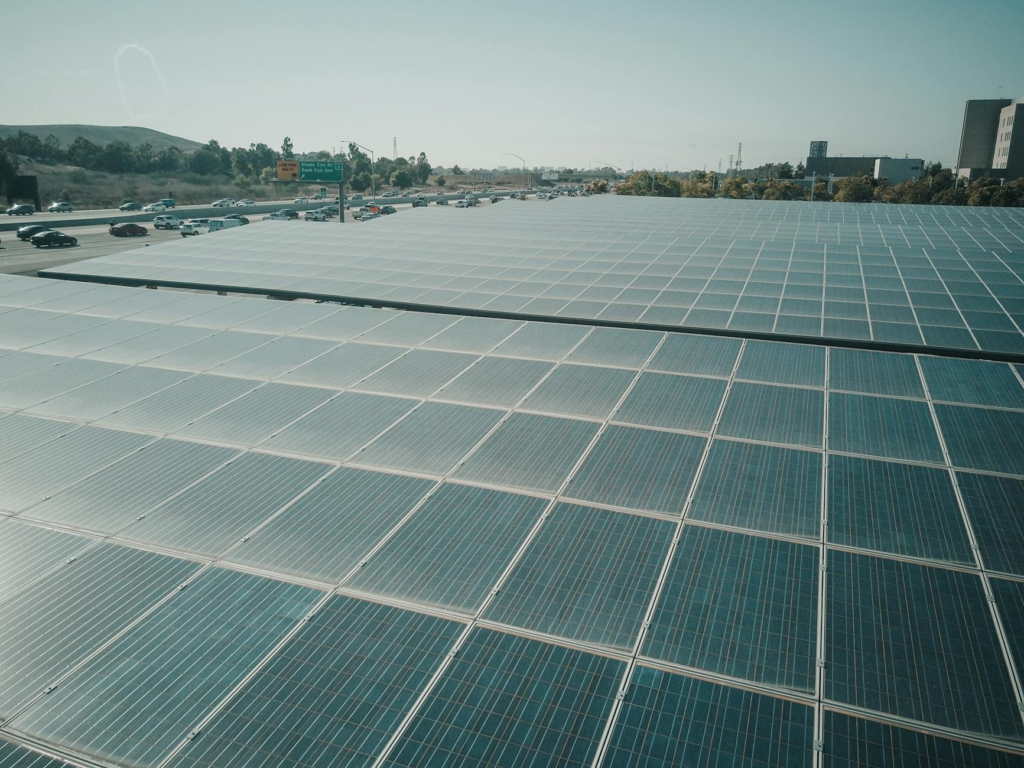
Solar photovoltaic (PV) installations have proliferated along coastlines and in resort towns because of the abundant sunshine and the desire to showcase sustainable practices to visitors. In many cases, solar farms are sited on reclaimed land, rooftops, or parking structures that would otherwise remain underutilized. The presence of solar can lower the overall carbon footprint of tourism, attract eco‑conscious travelers, and reduce operating costs for hospitality businesses. Yet the same solar capacity that provides clean energy can also exacerbate grid instability if its generation profile does not align with the tourism‑driven demand curve.
When tourists arrive during the late afternoon, for example, the sun may already be setting, and solar output begins to decline just as the demand for lighting, climate control, and entertainment spikes. This coincidence of decreasing solar supply and increasing tourism energy grid demand solar load creates a “duck curve” effect that utilities must manage through storage, flexible generation, or curtailment strategies.
Case Study: Panama City Beach, Florida
Panama City Beach is a classic example of a destination where tourism energy grid demand solar dynamics are front and center. During the months of June through August, the city welcomes over a million visitors, many of whom stay in high‑rise hotels that consume large amounts of electricity for air‑conditioning, pool pumps, and nightly lighting displays. At the same time, the region has invested heavily in utility‑scale solar farms that collectively generate roughly 30 % of the city’s annual electricity consumption.
Data from the local utility shows that on the hottest days, peak demand can reach 1,200 MW, while solar generation peaks at around 500 MW in the early afternoon. The remaining 700 MW must be supplied by natural‑gas peaker plants or imported from neighboring interconnections, raising both operating costs and emissions during the tourist season.
Case Study: Scenic Highway 30A, Alabama
Along the Gulf Coast’s Scenic Highway 30A, a string of boutique hotels, art galleries, and beachfront restaurants creates a micro‑economy that thrives on seasonal visitors. The area’s solar capacity is modest but growing, with several community solar projects feeding into the local distribution network. Unlike Panama City Beach, the tourism energy grid demand solar peak in 30A tends to occur later in the day, as visitors linger for sunset views and evening events.
Because the solar output is already tapering off by the time demand peaks, the grid operator has implemented a combination of battery storage and demand‑response programs that incentivize hotels to shift non‑essential loads to earlier in the day. This approach has helped flatten the load curve, reducing the need for expensive peaker generation and improving overall grid reliability.
Managing the Interaction Between Tourism and Solar
Utilities and municipalities can employ several tactics to mitigate the stress that tourism energy grid demand solar creates on the grid. These tactics fall into three broad categories: supply‑side solutions, demand‑side management, and infrastructural upgrades.
Supply‑Side Solutions
- Deploying utility‑scale battery storage to capture excess solar during midday and discharge during evening peaks.
- Integrating fast‑response natural‑gas turbines that can ramp up quickly when solar output drops.
- Investing in offshore wind or hybrid renewable projects that complement solar’s production profile.
Demand‑Side Management
- Implementing time‑of‑use rates that encourage hotels and large venues to shift energy‑intensive tasks to periods of high solar generation.
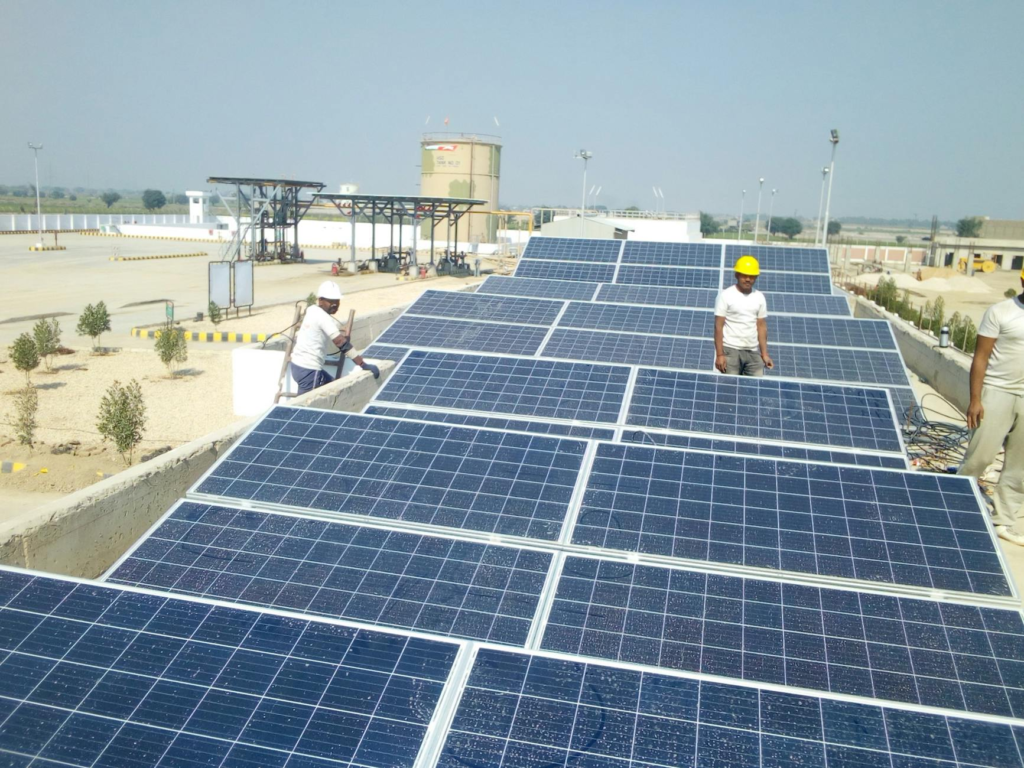
- Offering incentives for installing on‑site solar and battery systems in tourism‑related buildings.
- Launching public awareness campaigns that educate visitors about energy‑saving practices.
Infrastructure Upgrades
- Upgrading distribution transformers and substations to handle higher peak loads without overheating.
- Enhancing grid monitoring and forecasting tools to better predict tourism‑driven demand spikes.
- Developing microgrid pilots that allow clusters of hotels to operate semi‑independently using local solar and storage.
Economic Implications for Solar Investments
From an investment standpoint, the interplay between tourism energy grid demand solar creates both risk and opportunity. On one hand, the seasonal nature of the demand can lead to periods of under‑utilization for solar assets, reducing revenue during off‑peak months. On the other hand, the guaranteed high load during tourist season can justify premium pricing for renewable‑energy contracts, especially when utilities need to meet renewable portfolio standards while also ensuring reliability.
Developers who incorporate storage into their solar projects can capture additional value by providing ancillary services such as frequency regulation and voltage support. Moreover, partnerships with hotel chains to co‑locate solar panels on rooftops can create a stable, long‑term offtake agreement that smooths cash flow across the year.
Policy Recommendations for Sustainable Tourism Energy Management
Policymakers have a crucial role in shaping how tourism‑driven regions adapt to the challenges of tourism energy grid demand solar. Recommendations include:
- Establishing clear renewable‑energy targets for tourist municipalities, paired with incentives for storage deployment.
- Creating zoning regulations that prioritize solar installations on new hotel developments.
- Providing grants or low‑interest loans for hospitality businesses to adopt energy‑efficient appliances and on‑site solar.
- Mandating transparent reporting of seasonal load profiles to improve grid planning.
Key Metrics for Tracking Seasonal Grid Performance
| Month | Average Tourist Occupancy (%) | Peak Grid Load (MW) | Solar Generation (MW) |
|---|---|---|---|
| May | 45 | 800 | 400 |
| June | 78 | 1200 | 500 |
| July | 85 | 1300 | 520 |
| August | 80 | 1250 | 510 |
| September | 60 | 950 | 460 |
The table illustrates how occupancy rates correlate with peak grid load and solar output across a typical summer season. By monitoring these metrics, utilities can better anticipate periods when tourism energy grid demand solar mismatches are likely to occur and activate mitigation measures proactively.
Future Outlook: Integrating Smart Technologies
Advances in smart grid technology, artificial intelligence, and Internet of Things (IoT) sensors promise to further align solar production with tourism‑driven demand. Predictive analytics can forecast visitor numbers days in advance, allowing operators to schedule battery discharge or adjust demand‑response signals accordingly. Additionally, real‑time pricing apps can inform tourists about the most energy‑efficient times to use amenities such as pool heaters or electric vehicle chargers, turning visitors into active participants in grid stability.
As climate change intensifies and travel patterns evolve, the synergy between tourism and renewable energy will become an increasingly critical component of regional resilience. By embracing a holistic approach that blends supply‑side innovation, demand‑side flexibility, and supportive policy frameworks, coastal and scenic destinations can turn the challenge of tourism energy grid demand solar into a catalyst for sustainable growth.
In conclusion, understanding and managing the seasonal spikes in tourism energy demand, especially in areas with significant solar generation, is essential for maintaining reliable grid operations, protecting the environment, and supporting the economic vitality of tourist hubs.
