



Why Tree Coverage Matters in Solar Planning
When homeowners consider installing photovoltaic (PV) panels, the first factors that come to mind are roof orientation, roof age, and local electricity rates. However, an often‑overlooked element is the amount of shade cast by surrounding trees. In regions with abundant foliage, such as Navarre, Seagrove, and Seaside, the density of trees can dramatically alter the performance of a solar array. This is why tree coverage solar planning has become a critical step in the design process. Understanding how much shade a property receives throughout the year helps prevent costly under‑performance, ensures compliance with local utility interconnection standards, and protects the investment from premature degradation. In this article we’ll explore the science behind shade and solar irradiance, walk through practical assessment methods, and outline strategies to balance the benefits of mature trees with the desire for clean, renewable energy.
Find us here:
Solar Cost Calculator – Florida Panhandle Only
* Estimate based on $3.25 per watt for solar installation.
* For Tesla Powerwall 3 Batteries, $15,000 for the first battery, $12,000 for each additional battery.
* Other variations and types of Batteries are available.
Understanding Tree Coverage and Solar Potential
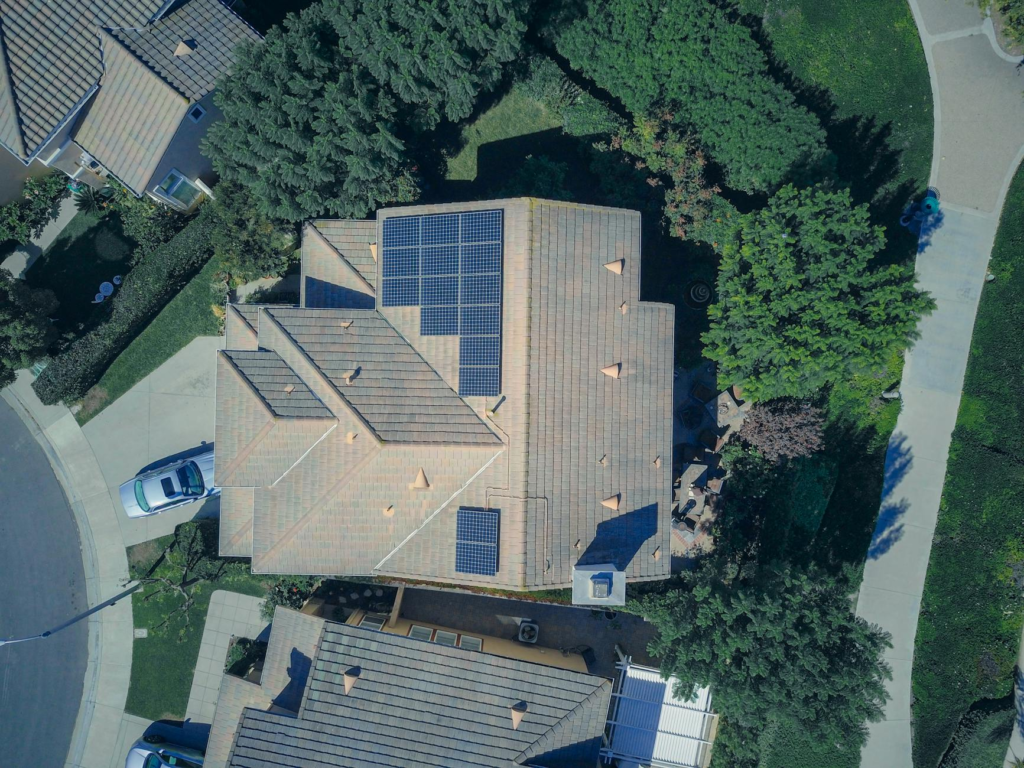
Solar panels generate electricity by converting sunlight into direct current. The more sunlight that reaches the panel surface, the higher the energy output. Trees, especially those with broad canopies, can block up to 90 % of solar radiation during peak hours. The impact is not uniform; it varies based on leaf density, branch structure, and the angle of the sun relative to the panel plane. In the context of tree coverage solar planning, the goal is to quantify this obstruction in a way that can be incorporated into system design. Modern solar design software can import shade‑analysis data, producing a “shading loss” percentage that directly influences the size of the inverter, the number of panels needed, and the projected return on investment. By addressing tree coverage early, installers can avoid redesigns that often occur after a site visit reveals unexpected shading.
How Trees Affect Solar Irradiance
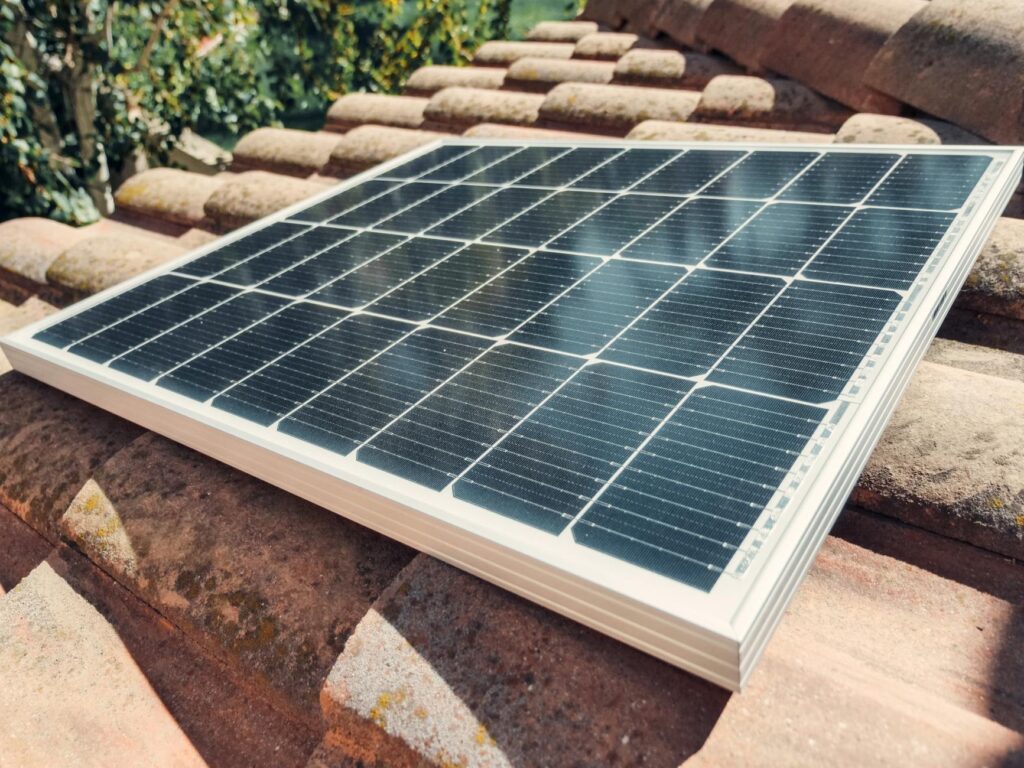
The amount of sunlight that reaches a panel is measured in kilowatt‑hours per square meter (kWh/m²). A mature oak or pine can cut this figure dramatically, especially during the summer months when foliage is at its densest. Even a partial obstruction—say, 30 % of the panel area shaded for a few hours—can reduce overall system efficiency by 10 % to 20 %. This is because PV modules operate as a series circuit; a shaded cell can become a bottleneck, dragging down the performance of the entire string. Bypass diodes mitigate some loss, but they cannot fully compensate for prolonged shade. Consequently, when conducting tree coverage solar planning, it is essential to map not only the static position of trees but also their seasonal leaf cycles.
Seasonal Variations in Shade
In the Gulf Coast region, where Navarre, Seagrove, and Seaside are located, trees experience pronounced seasonal changes. Deciduous species such as maple and sweetgum lose their leaves in late autumn, allowing more sunlight to reach the roof during the winter—an ideal time for solar generation. Conversely, evergreen pines provide year‑round shading, which can be a persistent challenge. The angle of the sun also shifts: lower winter sun angles can cause long shadows that stretch across a property, while higher summer angles may reduce the length of shadows but increase the density of foliage. Accurate tree coverage solar planning therefore requires a month‑by‑month analysis, often using tools like Sun Path diagrams or solar simulation software that factor in both tree height and leaf density throughout the year.
Assessing Tree Density Around Your Property
Before committing to a solar installation, homeowners should conduct a thorough assessment of the trees that surround their home. This assessment begins with a simple visual inventory: identify every tree within a 30‑foot radius of the roof, note its species, approximate height, and canopy spread. Next, measure the distance from each tree to the roof edge and calculate the angle of potential shadow at the winter solstice and summer solstice. Many solar installers use a device called a Solar Pathfinder or a smartphone app that overlays sun paths onto a photograph of the site, providing a quick visual representation of shading throughout the year. The data gathered forms the backbone of tree coverage solar planning, allowing designers to model shading loss and adjust the layout accordingly.
Tools and Techniques for Shade Analysis
Professional shade analysis typically involves one of three approaches: manual sun‑path calculations, digital modeling, or on‑site measurement with a pyranometer. Manual calculations require a protractor, a compass, and a clear sky day to measure shadow lengths. Digital modeling uses GIS data, LiDAR scans, or satellite imagery to create a 3D model of the property and surrounding vegetation. The most precise method, on‑site pyranometer measurements, records actual solar irradiance at the panel location over several days, capturing real‑world shading effects. While the latter is the gold standard, most residential projects achieve sufficient accuracy using a combination of visual inventory and solar simulation software, especially when the primary concern is the impact of tree canopy on system sizing.
DIY vs. Professional Assessments
Homeowners with a technical bent can perform a DIY shade analysis using free online tools such as PVWatts or SolarCalc. These platforms let you input latitude, roof tilt, and a basic sketch of tree locations to estimate shading loss. However, a professional assessment offers several advantages: certified solar installers have access to high‑resolution aerial imagery, can conduct precise measurements, and are familiar with local utility interconnection requirements. In areas where tree coverage solar planning is a regulatory consideration—some municipalities require a shade‑impact report before approving a permit—a professional study may be mandatory. Weigh the cost of a professional survey against the potential savings from a correctly sized system to determine the best approach for your project.
Regional Considerations: Navarre, Seagrove, and Seaside
The coastal communities of Navarre, Seagrove, and Seaside share a common climate: warm, humid summers and mild winters, with abundant sunshine year‑round. Yet each town has subtle differences in vegetation patterns that affect solar planning. Navarre’s residential neighborhoods often feature large, mature live oaks that cast extensive shade in the afternoon. Seagrove, being more inland, has a mix of pine and cypress trees that provide denser, year‑round coverage. Seaside, with its beachfront properties, typically has fewer tall trees but may have ornamental palms that create localized shading during certain months. Understanding these regional nuances is essential for effective tree coverage solar planning, as it informs both the placement of panels and the selection of panel technology (e.g., bifacial panels that capture reflected light).
Local Climate and Tree Species
The Gulf Coast climate encourages rapid tree growth, meaning that a property that appears shade‑free today may become heavily shaded in just a few years. Species such as southern magnolia and live oak can add 2–3 feet of canopy spread annually. In contrast, many ornamental shrubs used in Seaside’s landscaping mature more slowly and may pose less of a long‑term shading risk. When integrating tree coverage solar planning into a project, it’s prudent to consider not only the current canopy but also projected growth over the typical 25‑year lifespan of a solar system.
Planning for Future Growth
One strategy to accommodate future tree growth is to position panels on a raised racking system that allows for a clearance of at least 12 inches above the highest anticipated leaf height. Another approach is to design the array with a south‑facing orientation that maximizes winter sun exposure while minimizing summer shading. Some homeowners also opt for ground‑mounted systems in open yards, where trees can be selectively pruned or removed without compromising the aesthetic value of the property. Incorporating these forward‑looking measures during the initial tree coverage solar planning phase can reduce the need for costly retrofits down the line.
Strategies to Mitigate Tree Shade
When shade analysis reveals that trees will significantly reduce solar output, several mitigation strategies can be employed. The best approach often depends on the homeowner’s priorities—whether preserving the landscape is paramount, or maximizing energy production takes precedence. Below are common tactics used in tree coverage solar planning to balance these competing interests.
- Selective pruning of lower branches to increase direct sunlight on the roof.
- Strategic removal of a few over‑hanging trees, especially those that cause shading during peak production hours.
- Installation of micro‑inverters or power optimizers to reduce the impact of partial shading on the entire string.
- Choosing higher‑efficiency panels that perform better under lower light conditions.
- Implementing a dual‑axis tracking system (where feasible) to follow the sun’s path and avoid shaded periods.
Pruning and Tree Management
Professional arborists can perform targeted pruning that removes only the branches interfering with solar access while preserving the overall health and appearance of the tree. In many municipalities, permits are required for tree removal, but pruning typically does not need a permit if it stays within the canopy’s natural limits. Regular maintenance—conducted every 2–3 years—helps keep the shade footprint consistent throughout the life of the solar array. When planning for tree coverage solar planning, include a maintenance schedule in the project timeline to ensure that future growth does not unexpectedly degrade performance.
Alternative System Designs
If pruning or removal is not an option, consider alternative system designs that work around existing shade. Ground‑mounted arrays placed in open areas of the yard can bypass roof shading altogether. Similarly, a “split‑string” design—dividing the array into multiple smaller sections oriented in different directions—can capture sunlight from various angles, reducing the impact of a single shaded zone. For properties with limited sun exposure, adding a battery storage system can shift energy consumption to times when the panels are generating, improving overall self‑consumption rates even if total generation is reduced.
Financial and Regulatory Implications
Shade not only affects energy output but also influences the financial viability of a solar project. Most financing models—whether cash purchase, loan, or power purchase agreement—base their calculations on expected annual production. Overestimating production due to inadequate tree coverage solar planning can lead to longer payback periods and reduced return on investment. Moreover, many utilities require a shading analysis as part of the interconnection application. Failure to provide accurate shading data can delay permitting, add extra engineering costs, or even result in a denied application.
Incentives and Permits
State and local incentives, such as the Florida Solar Energy System Incentive Program, often require a “net‑metering” analysis that includes shading loss estimates. Providing a comprehensive shade report demonstrates compliance and can expedite the approval process. In some cases, municipalities offer tree‑preservation credits for homeowners who choose to retain trees while installing solar, effectively offsetting part of the system cost. Understanding these incentive structures is an integral part of the tree coverage solar planning workflow.
