



Introduction
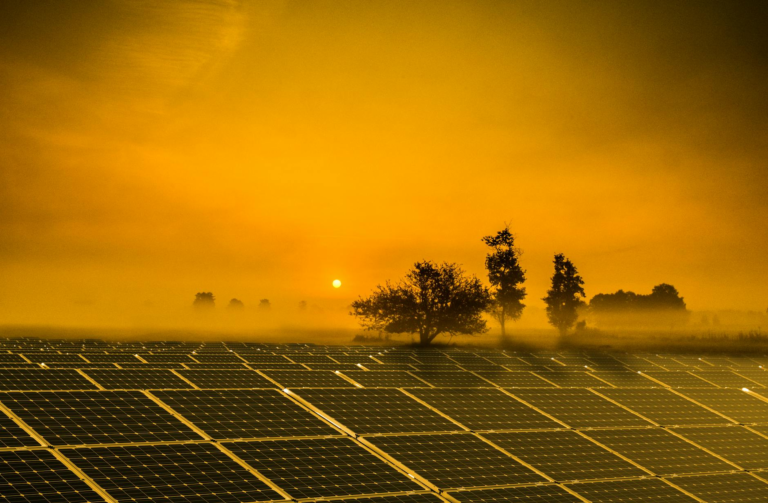
The Florida Panhandle sits on a unique stretch of coastline where the warm waters of the Gulf of Mexico meet the temperate breezes from the Atlantic. This intersection creates a dynamic weather environment that directly influences the amount of sunlight reaching solar panels each day. For solar developers, utilities, and homeowners alike, understanding how coastal weather patterns translate into energy generation is essential for accurate budgeting, grid management, and performance guarantees. In this article we explore the science behind coastal meteorology, examine the specific forecasting tools that predict solar generation, and explain why weather forecasting solar output has become a cornerstone of modern renewable‑energy planning in the Gulf region.
Find us here:
Solar Cost Calculator – Florida Panhandle Only
* Estimate based on $3.25 per watt for solar installation.
* For Tesla Powerwall 3 Batteries, $15,000 for the first battery, $12,000 for each additional battery.
* Other variations and types of Batteries are available.
Understanding Coastal Weather Systems
Coastal zones are governed by a blend of land‑sea temperature differentials, ocean currents, and large‑scale atmospheric circulations. The Gulf of Mexico, in particular, experiences a semi‑persistent high‑pressure ridge during the summer months, which encourages clear skies and abundant sunshine. However, this same ridge can also trap moisture, leading to afternoon thunderstorms that temporarily dim solar irradiance. During the cooler months, the intrusion of cold fronts from the north can bring overcast conditions, reducing the daily solar yield. By tracking these macro‑scale patterns, forecasters can estimate the likely sunshine hours and cloud cover for any given day, providing the data foundation for weather forecasting solar output models used by solar operators throughout the Panhandle.
Sea Breeze and Its Impact
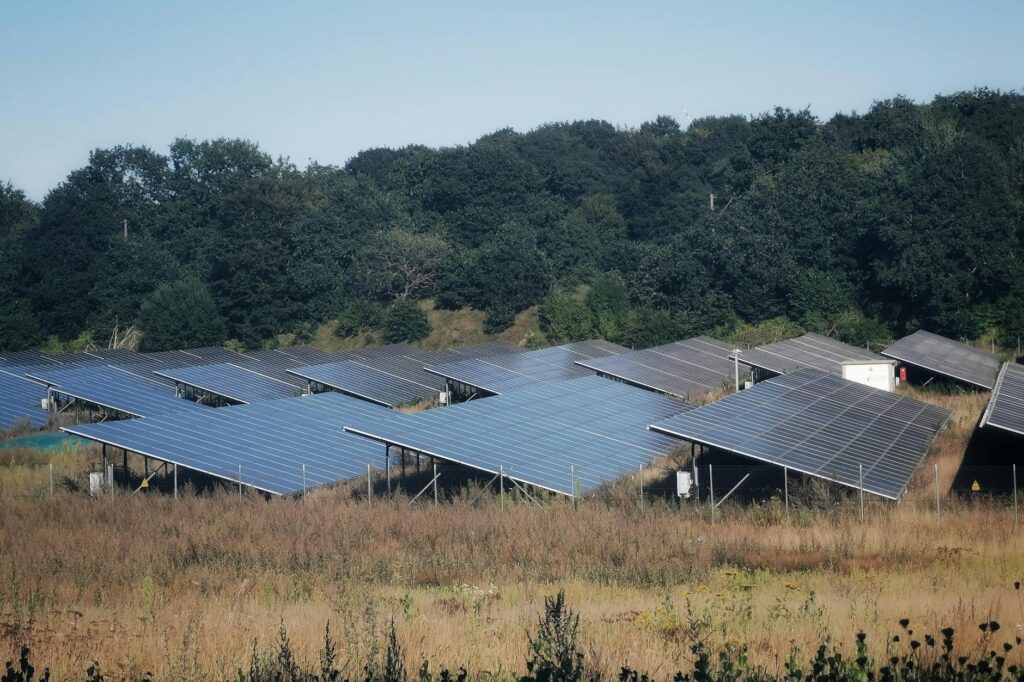
The sea breeze is a daily phenomenon that develops when the land heats up faster than the adjacent water. In the Panhandle, sea breezes typically form in the late morning and move inland, bringing cooler, moisture‑laden air that can scatter sunlight and lower panel efficiency. While the breeze often clears the hottest part of the day, it also introduces low‑level clouds that reflect a portion of the solar spectrum. Accurate prediction of sea‑breeze timing and intensity is therefore a critical component of weather forecasting solar output, allowing operators to adjust inverter settings, storage dispatch, or even schedule maintenance during expected low‑production windows.
- Temperature gradients between land and sea drive the sea breeze cycle.
- Typical sea‑breeze onset occurs between 9 a.m. and 11 a.m. local time.
- Cloud formation ahead of the breeze can reduce solar irradiance by 10‑20 %.
- Wind speeds of 5‑15 mph often accompany the breeze, affecting panel cooling.
- Forecast models that resolve the sea‑breeze front improve weather forecasting solar output accuracy.
How Weather Forecasting Shapes Solar Output Predictions
Modern solar forecasting blends satellite imagery, ground‑based sensors, and numerical weather prediction (NWP) models to generate hour‑by‑hour estimates of photovoltaic (PV) performance. The key metric is the plane‑of‑array irradiance, which quantifies the sunlight that actually strikes the solar array surface. By feeding real‑time cloud motion vectors, humidity profiles, and aerosol concentrations into a forecasting engine, utilities can predict the expected weather forecasting solar output for the next 24‑48 hours with a typical error margin of less than 5 %. These predictions are then used to balance supply and demand, schedule battery charge cycles, and inform market participants about expected generation levels, especially during peak demand periods.
Forecast Models Used by Utilities
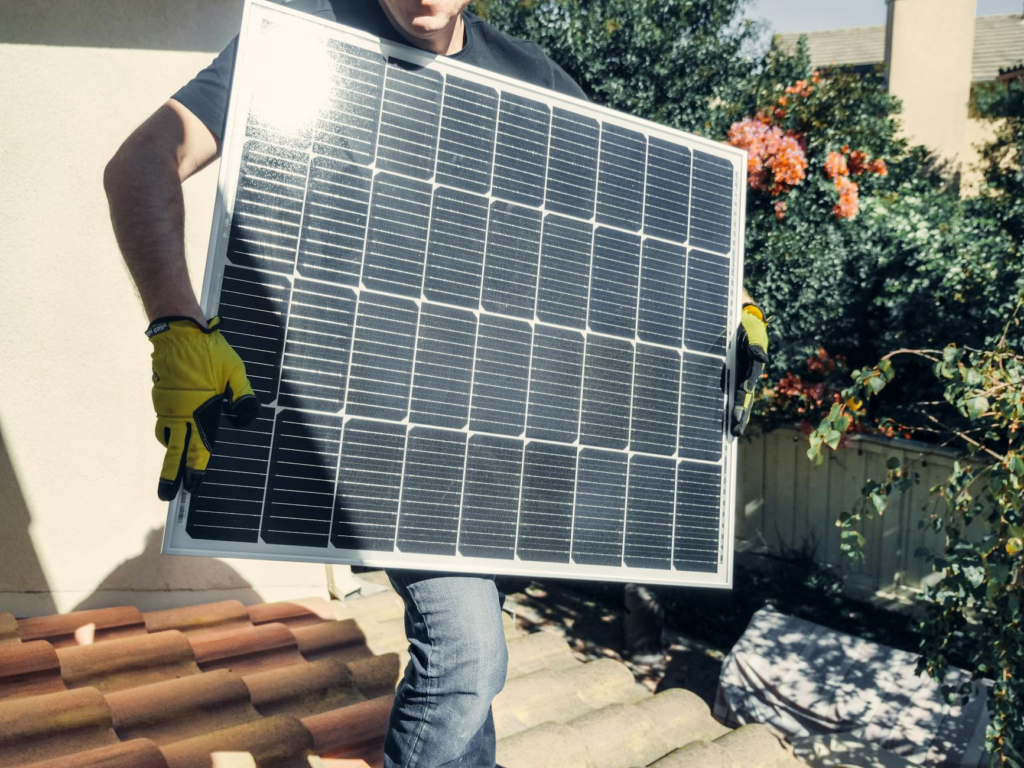
Utilities operating in the Florida Panhandle often rely on a combination of global models such as the European Centre for Medium‑Range Weather Forecasts (ECMWF) and regional models like the High‑Resolution Rapid Refresh (HRRR). These models provide detailed forecasts of cloud cover, solar zenith angle, and atmospheric turbidity. When coupled with PV performance models such as the System Advisor Model (SAM) or the National Renewable Energy Laboratory’s (NREL) PVWatts, the result is a robust weather forecasting solar output platform that can anticipate short‑term fluctuations caused by sea breezes, afternoon thunderstorms, or fog events along the coastline.
Gulf Weather Forecasting Patterns in the Florida Panhandle
The Gulf of Mexico exerts a pronounced influence on local weather patterns that directly affect solar generation. During the summer, the Gulf’s warm sea surface temperatures amplify the high‑pressure ridge, leading to prolonged periods of clear skies and high solar insolation. However, the same warmth fuels convective activity, producing isolated thunderstorms that can sharply cut solar output for an hour or two. In the winter, the Gulf’s moderating effect reduces the severity of cold fronts, but lingering low‑level stratus can persist for days, diminishing the average daily solar yield. By integrating Gulf‑specific climatology into forecasting algorithms, solar operators can fine‑tune their weather forecasting solar output expectations to reflect the seasonal rhythm of the Panhandle’s coastal climate.
| Weather Pattern | Typical Solar Output Impact |
|---|---|
| Clear high‑pressure ridge (summer) | +15‑20 % above seasonal average |
| Afternoon sea‑breeze thunderstorms | ‑10‑30 % for 1‑3 hours |
| Winter low‑level stratus | ‑5‑12 % over 24 hours |
| Cold front passage | ‑8‑15 % on the day of passage |
Practical Steps for Solar Installers and Operators
Translating forecast data into actionable decisions requires a disciplined workflow. First, installers should orient panels to maximize exposure during the most predictable sun angles, accounting for typical sea‑breeze directions. Second, operators need to integrate real‑time forecast feeds into their energy management systems, setting automated alerts for expected dips in weather forecasting solar output. Third, storage assets can be programmed to charge during forecasted peaks and discharge during anticipated cloud cover, smoothing the overall power profile. Finally, regular performance audits that compare actual generation against forecasted values help refine model parameters and improve future prediction accuracy.
- Align arrays to a south‑southwest azimuth to capture late‑day sea‑breeze sunlight.
- Use high‑resolution NWP data (≤3 km grid) for local forecast precision.
- Implement automated curtailment or dispatch rules based on forecasted output dips.
- Schedule routine cleaning after high‑humidity periods to prevent soiling losses.
- Conduct monthly variance analysis between predicted and actual production.
Future Trends in Coastal Forecasting and Solar Integration
Advancements in satellite technology, machine‑learning algorithms, and edge‑computing are poised to elevate the accuracy of weather forecasting solar output for coastal regions. Hyper‑local sky cameras equipped with AI can now predict cloud motion a few minutes ahead, allowing micro‑adjustments to inverter settings in real time. Meanwhile, collaborative data sharing between the National Weather Service and private solar analytics firms promises richer datasets that capture subtle Gulf‑induced phenomena. As these tools mature, utilities in the Florida Panhandle will be able to reduce reserve margins, lower operating costs, and increase the reliability of solar‑heavy grids, turning the challenges of coastal weather into a competitive advantage.
Conclusion
Coastal weather forecasting is more than a scientific curiosity for the Florida Panhandle; it is a practical necessity that shapes daily solar production expectations. By understanding Gulf weather patterns, leveraging high‑resolution forecast models, and integrating those insights into operational strategies, solar stakeholders can optimize performance, mitigate risk, and unlock the full potential of renewable energy along the Gulf Coast.
