




Introduction
When designing solar panel arrays in the Northern Panhandle, engineers constantly balance two opposing forces: the weight of accumulated snow and the pressure of high‑velocity winds. While both loads are critical, the regional climate and topography cause the wind component to dominate design decisions. Understanding how solar wind load vs snow load panhandle considerations differ is essential for creating safe, efficient, and code‑compliant installations.
Solar Cost Calculator – Florida Panhandle Only
* Estimate based on $3.25 per watt for solar installation.
* For Tesla Powerwall 3 Batteries, $15,000 for the first battery, $12,000 for each additional battery.
* Other variations and types of Batteries are available.
Understanding Panel Loads
Solar panels are mounted on racking systems that must resist external forces throughout their service life. Two primary load types affect these structures: snow load, which adds vertical weight, and wind load, which applies lateral pressure. The Panhandle’s climate—characterized by strong, gusty winds from the Great Lakes and occasional heavy snowfalls—creates a unique engineering environment where wind often governs the structural design.
Snow Load Fundamentals
Snow load is calculated based on the depth of snow, its density, and the duration of accumulation. In the Panhandle, snow can be wet and heavy, especially after lake‑effect storms, increasing the vertical load on panel frames. Engineers use regional snow‑load maps and building codes to determine the design snow pressure, which is then distributed across the racking and supporting rails.
Wind Load Fundamentals
Wind load is derived from wind speed, exposure category, and the projected area of the solar array. The Panhandle experiences frequent gusts exceeding 90 mph, especially on elevated ridges and open fields. Wind creates suction on the leeward side of panels and pressure on the windward side, generating forces that can exceed the static weight of snow many times over. This is why the solar wind load vs snow load panhandle debate often tips in favor of wind.
Why the Panhandle Prioritises Wind
Local building codes in the Panhandle explicitly require wind to be the governing load for most roof‑mounted and ground‑mounted solar systems. The reasoning is twofold: first, wind events are more frequent and can cause immediate failure if not properly accounted for; second, the dynamic nature of wind creates fatigue over time, whereas snow loads are typically transient. Consequently, designers must size rails, brackets, and fasteners to resist wind pressures, often resulting in higher attachment counts and more robust rail spans.
Design Implications for Rail Spans
When wind is the governing factor, rail spans are limited to lengths that prevent excessive deflection under lateral pressure. In practice, this means using shorter spans or adding intermediate support brackets. While longer spans can reduce material costs, they may not meet the stringent wind criteria set by the Panhandle’s regulations. Engineers therefore perform a careful trade‑off analysis, often opting for a conservative approach that favours wind resistance.
Attachment Count Considerations
Higher wind loads demand more attachment points to distribute forces evenly across the structure. The Panhandle’s codes specify a minimum number of fasteners per panel, and many installers exceed this baseline to add safety margins. Each additional attachment reduces the load per fastener, decreasing the risk of pull‑out or shear failure during extreme wind events. This focus on attachment density is a direct outcome of the solar wind load vs snow load panhandle dynamic.
| Load Type | Typical Design Consideration | Impact on Rail Span | Impact on Attachment Count |
|---|---|---|---|
| Snow Load | Vertical weight, uniform distribution | Allows longer spans if snow is the governing load | Fewer fasteners needed; focus on shear capacity |
| Wind Load | Lateral pressure, dynamic effects | Requires shorter spans or additional supports | Higher fastener density to resist uplift and shear |
Mitigation Strategies for Snow
Even though wind dominates design, snow still poses a risk of overloading panels and causing roof damage. Common mitigation techniques include installing snow guards, increasing panel tilt angles, and selecting low‑profile frames that promote snow shedding. Regular maintenance, such as clearing excessive buildup after major storms, also helps maintain the structural integrity of the array throughout the winter months.
Mitigation Strategies for Wind
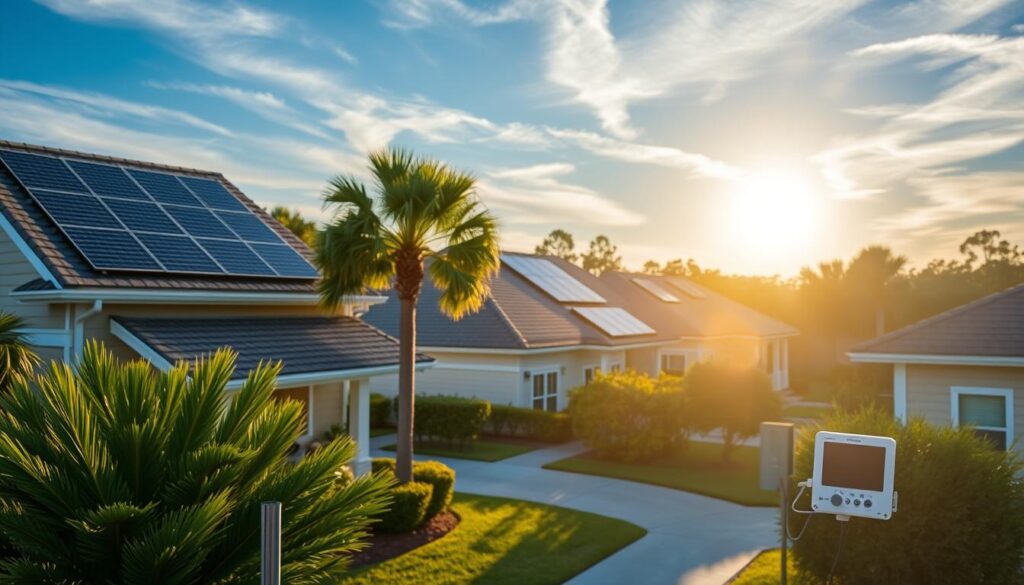
To address the primary concern of wind, designers employ several tactics: using aerodynamic panel frames, reinforcing the racking with additional bracing, selecting high‑strength fasteners, and anchoring the system to the substrate with deep‑embedment bolts. In the Panhandle, many installers also incorporate wind‑load monitoring devices that alert operators to conditions approaching design limits, enabling proactive shutdowns or inspections.
Common Misconceptions
- “Snow is always the worst case in northern regions.” – In the Panhandle, wind often exceeds snow in both frequency and magnitude.
- “Longer rail spans are always more economical.” – When wind is the governing load, longer spans can lead to costly retrofits or code violations.
- “Adding more panels automatically increases safety.” – More panels increase surface area, raising wind pressure and potentially requiring stronger supports.
Case Study Example
A 5‑MW ground‑mounted solar farm in the Panhandle was originally designed with 12‑foot rail spans based on snow load calculations. After a wind event reaching 100 mph, several sections experienced panel uplift, prompting a redesign. The engineering team reduced the span length to 8 feet, added extra mid‑span brackets, and increased the fastener count per panel from 4 to 6. Post‑retrofit monitoring showed a 70 % reduction in wind‑induced stress, demonstrating the practical impact of prioritising wind in the solar wind load vs snow load panhandle analysis.
Frequently Asked Questions
- What is the primary factor governing solar panel design in the Panhandle? – Wind load, due to frequent high‑speed gusts.
- How does wind affect rail span length? – It typically requires shorter spans or additional supports.
- Do I need more fasteners for wind‑dominant designs? – Yes, higher attachment counts help distribute wind forces.
- Can snow still cause problems? – Absolutely; proper tilt and snow guards are essential.
- Are there special codes for the Panhandle? – State and local building codes explicitly state wind as the governing load for solar installations.
In summary, the Panhandle’s unique climate makes wind the decisive factor in solar array design. By understanding the interplay between wind and snow, engineers can optimise rail spans, attachment strategies, and mitigation measures to deliver safe, long‑lasting solar installations.
