



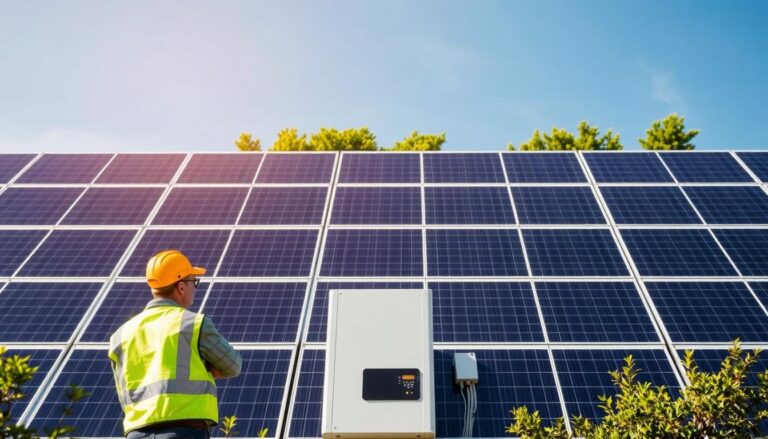
When you start planning a residential solar system, the first instinct is often to compare the latest panel brands, warranty terms, and efficiency ratings. While those factors are important, the environment in which the system will live can have a far greater impact on its long‑term performance and safety. In the Florida Panhandle, for example, the local wind climate dictates everything from the type of mounting hardware to the overall layout of the array. Understanding wind zones solar design is the key to a successful installation that survives hurricanes, minimizes maintenance, and maximizes energy production.
Find us here:
Solar Cost Calculator – Florida Panhandle Only
* Estimate based on $3.25 per watt for solar installation.
* For Tesla Powerwall 3 Batteries, $15,000 for the first battery, $12,000 for each additional battery.
* Other variations and types of Batteries are available.
What Are Wind Zones and Why Do They Matter?
Wind zones are geographic classifications that describe the maximum sustained wind speeds a location is expected to experience over a 50‑year period. In the United States, the International Building Code (IBC) and the American Society of Civil Engineers (ASCE) define these zones, assigning a numeric value that correlates with design wind pressure. The Florida Panhandle falls into some of the highest wind zones in the country, meaning any rooftop or ground‑mounted solar system must be engineered to resist forces far greater than those in more temperate regions.
Why does this matter for solar? Panels and racking are not static; they must endure wind uplift, lateral pressure, and debris impact. If a system is designed without regard to its wind zone, the mounting may fail, panels can detach, and the homeowner could face costly repairs or even safety hazards. This is why professionals stress that wind zones solar design should be the starting point of any project, not an afterthought.
How Wind Zones Influence Solar Design Decisions
Every element of a solar installation is affected by wind pressure, from the choice of racking material to the spacing between rows. Below are the primary ways wind zones shape the design process:
- Racking Strength: Higher wind zones require reinforced rails, stronger bolts, and additional bracing.
- Mounting Angle: Flatter tilt angles reduce wind uplift, while steeper angles increase exposure.
- Row Spacing: Adequate gaps between rows allow wind to pass through, lowering overall pressure on the array.
- Foundation Type: Ground‑mounted systems in high wind zones often need concrete piers or helical anchors instead of simple post mounts.
- Panel Selection: Some manufacturers offer panels with reinforced frames specifically rated for hurricane‑prone areas.
When a designer incorporates these factors from the outset, the resulting system is not only safer but also more efficient. Panels that are securely mounted maintain optimal orientation, which preserves their performance over the system’s 25‑plus‑year lifespan.
Brand Reputation vs. Wind Zone Requirements
It’s easy to get caught up in brand marketing. A well‑known solar panel brand may boast a 30‑year performance warranty and a higher efficiency rating than a lesser‑known competitor. However, if that brand’s product line does not include a frame that meets the wind load requirements for a specific zone, the panel’s superior specifications become moot.
In many cases, the most reliable way to ensure compliance is to select a panel that has been tested and certified for the local wind zone. Some manufacturers label their products with the ASCE 7‑10 wind speed rating, making it straightforward for installers to match the hardware to the site’s needs. This alignment is far more critical than chasing the highest efficiency numbers, especially in regions where wind forces can cause catastrophic failures.
Mounting Options Tailored to Wind Zones
Mounting systems come in several configurations, each with strengths and weaknesses in high‑wind environments. The most common options include:
- Ballasted Roof Mounts: Use weight to hold the system in place. Suitable for low‑slope roofs but generally not recommended for the highest wind zones without additional anchoring.
- Penetrating Roof Mounts: Fasten directly into the roof deck with flashing. When installed with proper sealing and reinforced brackets, they provide the strongest resistance to uplift.
- Hybrid Mounts: Combine ballasting with limited penetrations, offering a balance of ease of installation and wind resilience.
- Ground‑Mount Racking: Requires concrete footings or helical piles. In high wind zones, deeper foundations and cross‑bracing are essential.
Choosing the right mounting method is a direct outcome of wind zones solar design. In the Florida Panhandle’s Zone 4 and 5 areas, penetrating roof mounts with reinforced flashing are often the safest choice, while ground mounts demand engineered footings that can handle lateral wind loads.
Layout Strategies for High Wind Areas
Beyond the hardware, the physical arrangement of panels influences how wind interacts with the array. Designers use several layout tactics to mitigate wind pressure:
- Staggered Rows: Offsetting rows reduces the wind tunnel effect that can amplify uplift on a flat surface.
- Optimized Tilt Angles: In the Panhandle, a tilt of 10‑15 degrees often provides a good compromise between solar gain and wind resistance.
- Strategic Gaps: Leaving a 2‑3 foot gap between rows allows wind to flow through, decreasing the overall load on each panel.
- Edge Reinforcement: Panels at the outer edges experience the highest forces; adding extra braces or using thicker rails can protect them.
These layout considerations are part of a holistic wind zones solar design approach. By integrating them early, installers avoid costly re‑work and ensure the system complies with local building codes.
Tools and Resources for Assessing Wind Zones
Accurately identifying the wind zone for a property is straightforward when you know where to look. The most reliable sources include:
- NOAA Wind Maps: The National Oceanic and Atmospheric Administration provides interactive maps that display wind speed contours for the United States.
- Local Building Department: County or city planning offices often have the specific wind zone designation for each parcel.
- Solar Design Software: Programs like Aurora Solar and Helioscope integrate wind zone data, allowing designers to simulate load calculations automatically.
- ASCE 7‑10 Standards: The American Society of Civil Engineers publishes the technical specifications that define wind pressures for each zone.
Using these tools, a solar installer can generate a wind‑load report that informs every subsequent decision—from the choice of mounting hardware to the final array layout.
Real‑World Example: A Panhandle Homeowner’s Journey
Consider a homeowner in Pensacola, Florida, who wanted a 7 kW rooftop system. Initially, they focused on finding the highest‑efficiency panels from a leading brand. After a site visit, the installer performed a wind zones solar design analysis and identified the property as being in Wind Zone 5, the highest category for the area.
The analysis revealed three critical adjustments:
- Switch to a panel model with a reinforced aluminum frame rated for 150 mph wind speeds.
- Use penetrating roof mounts with stainless‑steel flashing and additional cross‑bracing.
- Adopt a staggered layout with 2‑foot gaps between rows and a tilt angle of 12 degrees.
By prioritizing wind zone requirements over brand prestige, the homeowner achieved a compliant, durable system that passed the county inspection on the first try. Six months later, a tropical storm passed over the area, and the array remained intact—proof that wind zones solar design saved both money and peace of mind.
Practical Tips for Homeowners in High Wind Zones
If you’re planning a solar installation in the Florida Panhandle—or any region with elevated wind speeds—keep these actionable tips in mind:
- Ask your installer to provide a wind‑load certification that references the specific wind zone.
- Verify that the mounting hardware is listed as compliant with the ASCE 7‑10 standard for your zone.
- Don’t assume a higher‑efficiency panel automatically means a better system; frame strength matters most in high winds.
- Consider adding a warranty clause that covers wind‑related damage, not just product defects.
- Schedule a post‑installation inspection after the first major storm to ensure all components remain secure.
These steps help you align your solar investment with the realities of wind zones solar design, ensuring longevity and optimal performance.
Frequently Asked Questions
Do I need a structural engineer for wind zone analysis?
In most cases, a certified solar installer trained in ASCE 7‑10 calculations can perform the necessary analysis. However, for complex roof structures or ground‑mount systems, a licensed structural engineer may be required by local code.
Can I mix panel brands if they meet wind zone requirements?
Yes, as long as each panel’s frame rating aligns with the zone’s wind pressure. Mixing brands won’t affect performance, but it can complicate warranty claims if the mounting hardware isn’t uniformly compatible.
What happens if my system isn’t rated for the correct wind zone?
Non‑compliant systems risk failure during high‑wind events, which can lead to panel loss, roof damage, and costly insurance claims. In many jurisdictions, the installation would also be considered illegal, potentially voiding permits.
Summary Table of Recommended Mounting Strategies by Wind Zone
| Wind Zone | Recommended Mounting | Key Design Notes |
|---|---|---|
| Zone 1‑2 (Low) | Ballasted Roof Mounts | Standard rails, minimal bracing |
| Zone 3‑4 (Moderate) | Hybrid or Penetrating Roof Mounts | Reinforced flashing, 10‑15° tilt |
| Zone 5 (High) | Penetrating Roof Mounts with Cross‑Bracing or Engineered Ground Mounts | Frame rated ≥150 mph, staggered rows, 2‑ft gaps |
By referencing this table, homeowners and installers can quickly align their hardware choices with the wind zone demands, reinforcing the principle that wind zones solar design outweigh brand considerations.
In conclusion, the wind environment of a site dictates the structural backbone of any solar project. While panel brand and efficiency are important, they cannot compensate for a design that ignores the forces of wind. Homeowners in the Florida Panhandle—and elsewhere with high wind zones—should start every solar conversation with a wind zones solar design assessment. This approach guarantees a safe, durable, and high‑performing system that stands the test of storms for decades to come.
