



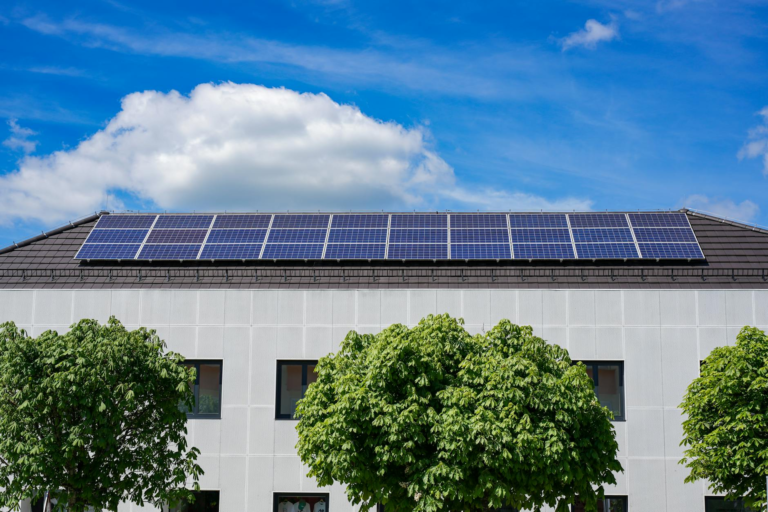
Homeowners across the Florida Panhandle are witnessing a rapid shift in how electricity is consumed, stored, and managed. From the rise of electric vehicles to the increasing prevalence of remote work, the demand for reliable, flexible power sources is higher than ever. Solar energy, with its scalability and adaptability, offers a practical solution to these evolving challenges. By embracing solar, residents can not only reduce their monthly bills but also position their homes to meet future energy trends head‑on.
Find us here:
Solar Cost Calculator – Florida Panhandle Only
* Estimate based on $3.25 per watt for solar installation.
* For Tesla Powerwall 3 Batteries, $15,000 for the first battery, $12,000 for each additional battery.
* Other variations and types of Batteries are available.
Why Energy Needs Are Evolving in the Florida Panhandle
The Florida Panhandle experiences a unique blend of climate and lifestyle factors that drive changing energy consumption patterns. Hot, humid summers increase the use of air conditioning, while milder winters still see significant heating demands for older homes. Moreover, the region’s growing tourism sector brings seasonal spikes in electricity use. Coupled with the statewide push toward electric vehicles and home‑based businesses, these factors create a dynamic load profile that traditional grid reliance struggles to meet.
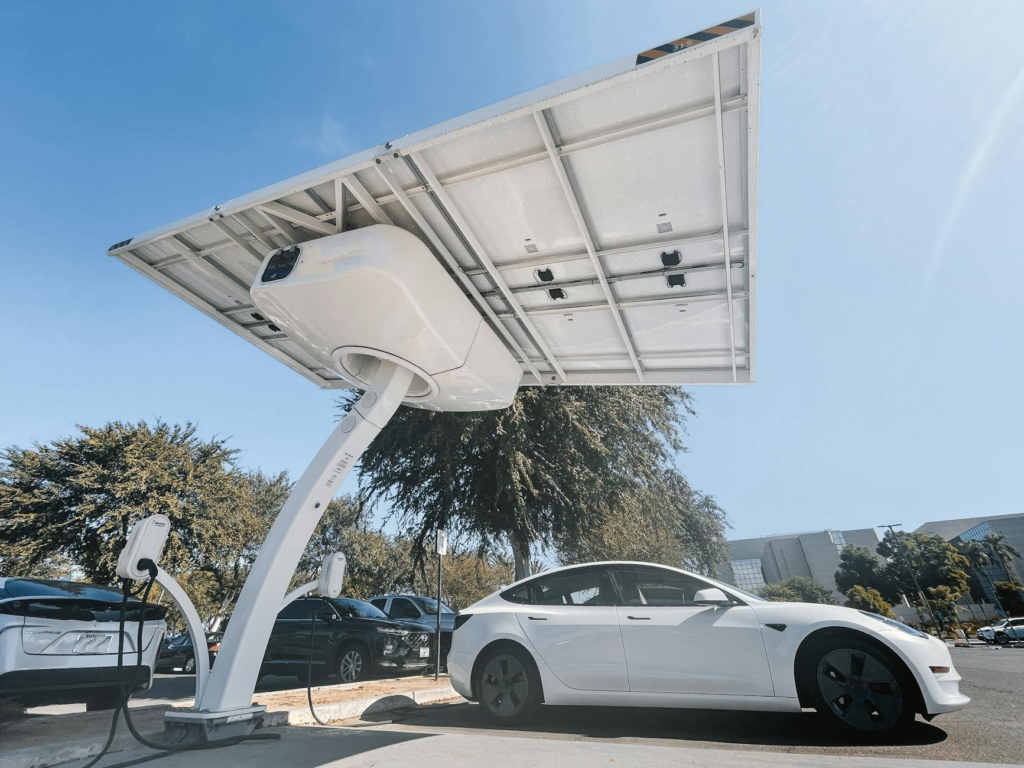
Utility companies are responding with time‑of‑use rates and demand‑response programs, but many homeowners find these measures insufficient for long‑term resilience. This is where the concept of solar changing energy needs florida becomes essential—solar installations can be tailored to match both current and anticipated future loads, providing a flexible backbone for the household’s power ecosystem.
Key Benefits of Solar for Adaptive Power
- Scalable system sizes that grow with household demand.
- Ability to pair with battery storage for off‑grid capability.
- Reduced exposure to peak‑hour electricity rates.
- Enhanced property value and market appeal.
Each of these benefits directly addresses the challenges posed by changing consumption habits. For instance, a family that adds an electric vehicle can simply expand its solar array or add storage without overhauling the entire electrical system. This modular approach ensures that the investment remains relevant as technology and lifestyle evolve.
How Solar Systems Can Scale with Demand
One of the most compelling aspects of solar is its inherent scalability. When a homeowner first installs a modest 4‑kilowatt (kW) system, the design often includes extra space on the roof or a pre‑wired conduit for future expansion. As energy needs increase—perhaps due to a new home office setup or the addition of a heat pump—the system can be upgraded by adding extra panels or integrating a larger inverter.
In the context of solar changing energy needs florida, this flexibility is especially valuable. The Panhandle’s seasonal tourism influx can be met by temporarily boosting solar output, while the same infrastructure can be scaled back during quieter months, optimizing both performance and cost.
Integrating Storage and Smart Technology
Battery storage has moved from a niche product to a mainstream component of residential solar solutions. By coupling solar panels with a lithium‑ion battery, homeowners gain the ability to store excess daylight generation for use after sunset or during grid outages. Smart energy management systems further enhance this setup by automatically shifting load to stored energy when rates peak, maximizing savings.
These technologies together create a resilient micro‑grid within each home, allowing residents to adapt to fluctuating utility rates, extreme weather events, and evolving appliance loads—core elements of the solar changing energy needs florida narrative.
Financial Incentives and Return on Investment
Florida offers a suite of financial incentives that make solar adoption more affordable. The federal Investment Tax Credit (ITC) provides a 30% credit on system costs, while the state’s Property Tax Exemption ensures that solar installations do not increase property tax assessments. Additionally, many local utilities in the Panhandle provide net‑metering programs, allowing excess generation to be credited against future bills.
When evaluating the long‑term ROI, it’s important to factor in the anticipated increase in electricity rates. As demand grows and utilities adjust pricing structures, the savings generated by a well‑designed solar system become even more pronounced—directly supporting the concept of solar changing energy needs florida.
Real‑World Examples from the Florida Panhandle
Several households in the Panhandle have already embraced solar as a cornerstone of their energy strategy. In Pensacola, a family of four installed a 6 kW system paired with a 10 kWh battery to power their home during summer peaks, cutting their electricity bill by 70%. In nearby Panama City, a coastal property added solar panels to offset the power draw of a newly installed electric vehicle charger, demonstrating how solar can directly support emerging transportation trends.
These case studies illustrate how solar installations can be customized to meet specific lifestyle changes, reinforcing the broader theme of solar changing energy needs florida.
Comparison of Common Solar Options
| System Type | Typical Size (kW) | Approx. Installed Cost (USD) |
|---|---|---|
| Rooftop Residential | 4‑8 | $12,000‑$20,000 |
| Ground‑Mount (Large Lot) | 10‑20 | $30,000‑$55,000 |
| Hybrid Solar + Storage | 5‑10 + 5‑15 kWh Battery | $25,000‑$45,000 |
Choosing the right system depends on roof space, budget, and future energy plans. Homeowners aiming for long‑term adaptability often favor hybrid solutions, as they combine generation with storage—an essential component of the solar changing energy needs florida strategy.
Practical Tips for Homeowners Planning Solar
- Conduct a detailed energy audit to identify current and projected loads.
- Assess roof orientation, shading, and structural capacity before finalizing panel size.
- Consider future expansions—leave space for additional panels or a larger inverter.
- Explore battery storage options that match your nighttime usage patterns.
- Work with a certified installer familiar with Florida’s building codes and permitting process.
By following these steps, residents can ensure that their solar investment remains flexible and cost‑effective, fully aligning with the evolving energy landscape of the Panhandle.
In summary, solar power offers a dynamic, scalable solution that empowers Florida homeowners to meet changing energy needs with confidence. Whether you’re looking to offset rising electricity rates, power an electric vehicle, or simply future‑proof your home, integrating solar today sets the foundation for a resilient, sustainable tomorrow.
