



Understanding the Need for Rapid Shutdown in Residential Solar
As solar installations become more common across Panama City and Pensacola, safety regulations have tightened to protect both homeowners and first responders. One of the most critical safety features now required by the National Electrical Code (NEC) is rapid shutdown. This technology ensures that, in the event of an emergency, the electrical power from a solar array can be quickly and safely reduced to a safe level. Without rapid shutdown, firefighters may be exposed to hazardous voltages while trying to extinguish a fire, and rescue teams could face additional risks. Implementing a rapid shutdown solar system not only meets code requirements but also provides peace of mind for anyone living under a roof powered by the sun.
Find us here:
Solar Cost Calculator – Florida Panhandle Only
* Estimate based on $3.25 per watt for solar installation.
* For Tesla Powerwall 3 Batteries, $15,000 for the first battery, $12,000 for each additional battery.
* Other variations and types of Batteries are available.
Key Regulations Driving the Adoption of Rapid Shutdown
The NEC 2020 and later editions introduced explicit mandates for rapid shutdown on residential photovoltaic (PV) systems. In particular, Section 690.12 requires that a rapid shutdown function be capable of reducing the voltage to less than 30 volts within 30 seconds of activation. Local jurisdictions in Florida, including Panama City and Pensacola, have adopted these standards into their building codes, making compliance mandatory for new installations. These regulations are designed to protect firefighters, utility workers, and homeowners by limiting the risk of electric shock and arc flash during emergencies.
How a Rapid Shutdown Solar System Operates
The core principle behind a rapid shutdown solar system is the ability to isolate the photovoltaic modules from the rest of the electrical circuit at the push of a button or automatically when a fault is detected. When activated, the system instantly interrupts the direct current (DC) flow from each module, reducing the voltage and current to safe levels. This rapid interruption is achieved through a combination of hardware components, smart controls, and integration with the inverter.
DC Disconnect at the Module Level
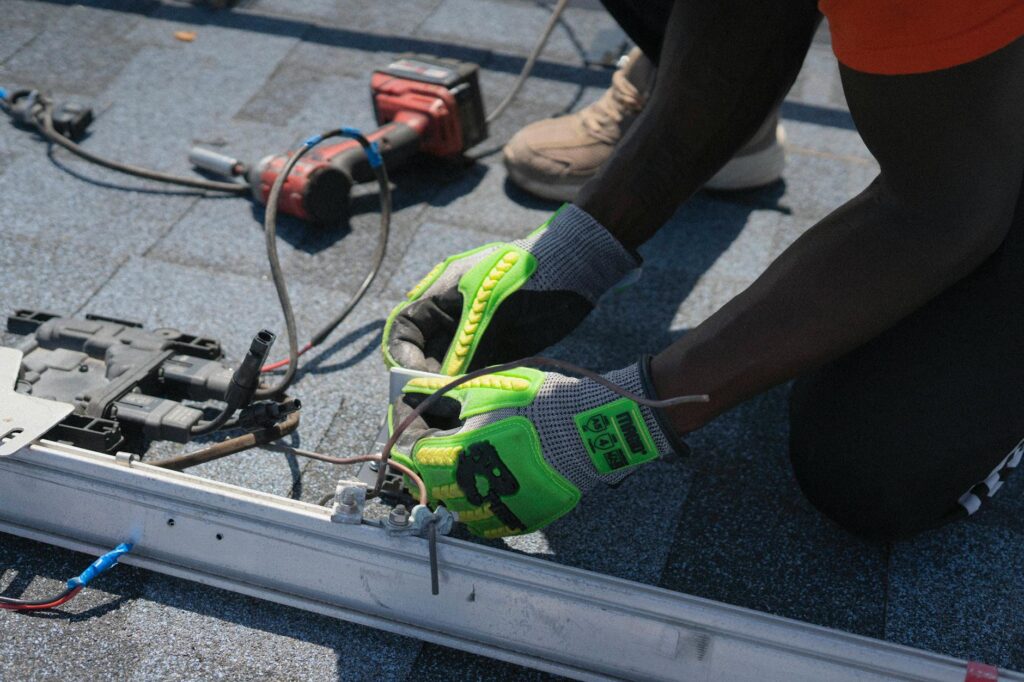
Modern rapid shutdown designs incorporate a DC disconnect device on each solar panel or on a string level. These devices, often called module-level power electronics (MLPE), contain a relay or solid‑state switch that can be opened instantly. When the rapid shutdown command is sent, every relay in the array opens simultaneously, ensuring that each module is isolated from the rest of the system. This granular control is essential for meeting the 30‑volt, 30‑second rule set by the NEC.
Inverter Integration and Communication
The inverter plays a pivotal role in a rapid shutdown solar system. It receives the shutdown signal from the control panel and coordinates the opening of all module-level disconnects. Many inverters now feature built‑in rapid shutdown capabilities, allowing a single command to cascade through the entire array. Additionally, the inverter can provide status feedback to the homeowner via a monitoring app, confirming that the system has successfully entered a safe state.
Essential Components of a Rapid Shutdown Solar System
- Module‑Level Power Electronics (MLPE) – Relays or solid‑state switches installed on each panel.
- Rapid Shutdown Control Panel – The central hub that sends the shutdown command.
- Inverter with Integrated Shutdown Capability – Communicates with the control panel and MLPE.
- Wiring and Junction Boxes – Rated for rapid shutdown and designed to handle the sudden interruption of current.
- Monitoring Interface – Allows homeowners and emergency responders to verify system status.
Step‑By‑Step Installation Overview
Installing a rapid shutdown solar system begins with a thorough site assessment. The installer evaluates roof orientation, shading, and the optimal layout for solar modules. Once the design is finalized, the MLPE devices are attached to each panel, and the wiring is routed to the rapid shutdown control panel, typically located near the main service panel. The inverter is then connected, and the entire system is programmed to recognize the shutdown command. Finally, a series of tests are performed to confirm that the system meets the 30‑volt, 30‑second requirement, and a detailed report is provided to the homeowner and local building authority.
During the testing phase, the installer activates the rapid shutdown function and measures the voltage at various points in the array. The goal is to demonstrate that every module’s voltage drops below the threshold within the required time frame. This verification is crucial not only for code compliance but also for ensuring that the system will perform reliably in an emergency situation.
Benefits for Homeowners in Panama City and Pensacola
- Enhanced Safety – Reduces the risk of electric shock for firefighters and first responders.
- Code Compliance – Meets NEC and local building code requirements, avoiding potential fines.
- Insurance Advantages – Many insurers offer lower premiums for homes with rapid shutdown capabilities.
- Increased Property Value – Demonstrates a commitment to modern, safety‑focused technology.
- Peace of Mind – Homeowners can rest assured that their solar investment includes robust safety features.
Common Misconceptions About Rapid Shutdown
One frequent misunderstanding is that rapid shutdown systems significantly reduce the overall energy production of a solar array. In reality, the shutdown function only activates during emergencies or maintenance, leaving normal operation unaffected. Another myth is that rapid shutdown is only necessary for large commercial installations. The NEC makes it clear that residential systems, especially those on rooftops, must also incorporate this safety measure. Lastly, some homeowners believe that adding rapid shutdown will dramatically increase installation costs. While there is a modest price increase, the long‑term safety benefits and potential insurance savings often offset the initial expense.
Maintenance, Testing, and Ongoing Reliability
Maintaining a rapid shutdown solar system is straightforward. Routine visual inspections should focus on the integrity of the MLPE devices, wiring connections, and the control panel. Most manufacturers recommend annual functional testing, which involves activating the shutdown command and verifying voltage levels with a multimeter. Any discrepancies should be addressed immediately by a qualified solar technician. Regular maintenance ensures that the system remains reliable, keeping both the home and emergency personnel safe.
Standard vs. Rapid Shutdown Solar System: A Quick Comparison
| Feature | Standard Solar System | Rapid Shutdown Solar System |
|---|---|---|
| Emergency Voltage Reduction | None – voltage remains high | Voltage drops below 30 V within 30 s |
| Code Compliance (NEC 2020+) | May not meet requirements | Fully compliant |
| Firefighter Safety | Higher risk of electric shock | Reduced risk due to rapid isolation |
| Installation Cost | Lower initial cost | Slightly higher due to extra components |
Choosing the Right Rapid Shutdown Solar System for Your Home
Selecting the appropriate rapid shutdown solar system involves evaluating several factors. First, consider the size and layout of your roof; larger roofs may benefit from module‑level shutdown devices, while smaller installations might use string‑level solutions. Second, assess the compatibility of the rapid shutdown components with your chosen inverter brand. Many leading inverter manufacturers offer proprietary rapid shutdown solutions that simplify integration. Third, look for certifications such as UL 1741, which confirm that the system meets stringent safety standards. Finally, work with a reputable installer who has experience navigating local permitting processes in Panama City and Pensacola.
When you partner with a knowledgeable solar contractor, they will guide you through the selection process, ensuring that the rapid shutdown solar system you choose aligns with your energy goals, budget, and local code requirements. A well‑designed system not only protects your family and emergency responders but also maximizes the efficiency and lifespan of your solar investment.
Conclusion
Integrating a rapid shutdown solar system into a residential installation is no longer optional—it’s a vital safety measure required by modern codes in Panama City, Pensacola, and across the United States. By understanding how the technology works, the components involved, and the benefits it provides, homeowners can make informed decisions that safeguard their property and community. With proper installation, regular testing, and ongoing maintenance, a rapid shutdown solar system delivers reliable performance while ensuring that emergency responders can work safely when every second counts.
