



Introduction
When you install a solar array on a home in the Florida Panhandle, the angle at which the panels face the sun can make a dramatic difference in how much electricity they generate each day. While many homeowners focus on the size of the system or the quality of the inverter, the orientation of the panels determines when the system reaches its highest output. In Destin and Panama City Beach, the subtle shift in compass direction can shift the solar peak production timing by an hour or more, affecting everything from utility bill savings to the sizing of battery storage. This article walks you through the science behind orientation, the local sun path, and practical steps you can take to align your panels for optimal performance.
Find us here:
Solar Cost Calculator – Florida Panhandle Only
* Estimate based on $3.25 per watt for solar installation.
* For Tesla Powerwall 3 Batteries, $15,000 for the first battery, $12,000 for each additional battery.
* Other variations and types of Batteries are available.
Why Orientation Matters
The sun travels across the sky following a predictable arc that changes with the seasons and the latitude of the installation site. Panels that are angled directly toward the sun’s most intense rays capture more photons, converting them into electricity more efficiently. If a panel is turned too far east, it may reach its maximum output early in the morning, missing the midday surge when household demand often peaks. Conversely, a west‑facing array might generate most of its power in the late afternoon, which can be advantageous for evening loads but may underutilize the bright midday period. Understanding how orientation influences the solar peak production timing helps you match generation to consumption, reducing reliance on the grid.
Understanding Solar Peak Production Timing
The term solar peak production timing refers to the specific window of the day when a solar array produces its highest wattage. This window is not static; it shifts based on the panel’s compass direction, tilt angle, and the time of year. In the Panhandle, the sun’s trajectory is slightly lower in the sky during winter months, which pushes the peak hour later in the day for south‑facing panels. In summer, the sun climbs higher, moving the peak earlier. By mapping these variations, homeowners can anticipate when their system will be most productive and plan energy‑intensive tasks—such as running the dishwasher or charging an electric vehicle—accordingly.
Cardinal Directions and Typical Peak Windows
Here’s a quick reference for the four main orientations and the general time frames when they tend to hit their highest output in Destin and Panama City Beach:
- South‑facing (optimal for most locations): Peaks between 11:30 am and 1:30 pm during summer, shifting to 12:30 pm–2:30 pm in winter.
- East‑facing: Reaches peak early, often between 9:00 am and 10:30 am, making it ideal for morning‑heavy households.
- West‑facing: Peaks later, typically from 2:00 pm to 4:00 pm, which can help offset evening loads.
- North‑facing: Generally produces the lowest output throughout the day and is rarely recommended for residential installations.
Seasonal Tilt and Sun Path
In addition to compass direction, the tilt angle—how steeply the panels are mounted—plays a crucial role in shaping the solar peak production timing. A steeper tilt (closer to vertical) captures more low‑angle winter sunlight, pushing the peak later in the day. A flatter tilt captures more high‑angle summer sun, moving the peak earlier. Many installers use a fixed tilt that balances both seasons, but adjustable mounts allow homeowners to fine‑tune the angle twice a year, aligning the peak production window with the most valuable hours on their utility bill.
Practical Orientation Strategies for Destin
Destin’s beachfront properties often have limited roof space, which can constrain the ideal south‑facing layout. When a true south orientation isn’t possible, consider these tactics to keep the solar peak production timing favorable:
- Mount panels on the east side of the roof if you primarily use appliances in the morning; this will shift the peak to 9:00 am–10:30 am.
- Use a slightly steeper tilt (about 30°) to capture more winter sunlight, ensuring the peak doesn’t drift too far into the afternoon.
- Incorporate a small portion of west‑facing panels on the opposite side of the roof to extend production into the late afternoon, balancing the overall daily curve.
Because Destin’s utility rates often include higher demand charges in the early afternoon, aligning at least a portion of the array to hit its maximum output between 12:00 pm and 2:00 pm can translate into noticeable savings on the electric bill.
Practical Orientation Strategies for Panama City Beach
Panama City Beach experiences slightly more cloud cover during summer months, which can flatten the daily production curve. To keep the solar peak production timing consistent despite variable cloud patterns, homeowners can adopt these approaches:
- Prioritize a south‑west orientation if the roof layout allows; this captures strong afternoon sun while still benefiting from the midday peak.
- Opt for a moderate tilt (around 20°) that balances summer and winter sun angles, reducing the shift in peak timing across seasons.
- Install micro‑inverters on each panel to maximize output even when part of the array is shaded, ensuring the overall system still reaches its peak at the expected hour.
Many residents of Panama City Beach also install battery storage. By syncing the solar peak production timing with the battery’s charge window (usually midday), they can store excess energy for use during evening peak demand, further lowering utility costs.

Comparing Orientation Outcomes
The table below summarizes typical daily peak production windows for the most common orientations in the two coastal cities. Use it as a quick reference when planning your system layout.
| Orientation | Destin Peak Window (Summer) | Destin Peak Window (Winter) | Panama City Beach Peak Window (Summer) | Panama City Beach Peak Window (Winter) |
|---|---|---|---|---|
| South | 11:30 am – 1:30 pm | 12:30 pm – 2:30 pm | 11:45 am – 1:45 pm | 12:45 pm – 2:45 pm |
| East | 9:00 am – 10:30 am | 9:30 am – 11:00 am | 9:15 am – 10:45 am | 9:45 am – 11:15 am |
| West | 2:00 pm – 4:00 pm | 2:30 pm – 4:30 pm | 2:15 pm – 4:15 pm | 2:45 pm – 4:45 pm |
Notice how the south‑facing panels consistently deliver the earliest and most concentrated peak, while east and west orientations shift the window earlier or later, respectively. This data helps you decide whether a mixed‑orientation approach might better match your household’s load profile.
Tips for Homeowners to Maximize Solar Peak Production Timing
- Conduct a sun‑path analysis using free online tools to visualize where the sun will be at different times of the year for your exact roof pitch.
- Choose a mounting system that allows for angle adjustment; a seasonal tweak of 5°–10° can keep the solar peak production timing aligned with the highest utility rates.
- Combine south‑facing panels with a smaller set of east‑ or west‑facing panels to flatten the daily production curve, ensuring you have usable power throughout the day.
- Integrate a smart inverter that can shift load to the exact minutes when the system hits its peak, maximizing self‑consumption.
- Regularly clean panels and trim nearby trees; shading can delay the peak by up to 30 minutes, especially for east‑ or west‑oriented arrays.
Common Mistakes to Avoid
Even experienced installers can overlook details that affect the solar peak production timing. Here are pitfalls to watch out for:
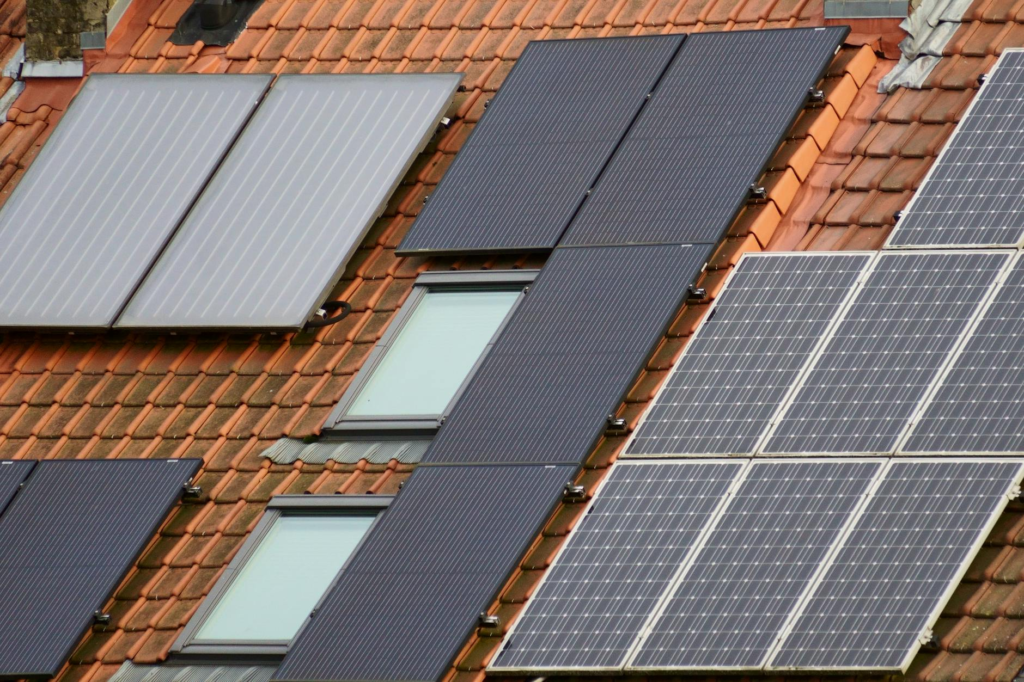
- Assuming a one‑size‑fits‑all south orientation without accounting for roof obstructions such as chimneys or skylights.
- Installing panels at a fixed tilt that’s optimal for summer but severely underperforms in winter, causing the peak to shift later and miss high‑rate periods.
- Neglecting local building codes that may limit the permissible tilt or require setbacks, inadvertently forcing a sub‑optimal orientation.
- Failing to synchronize battery charge cycles with the actual peak window, which can waste stored energy.
Monitoring and Adjusting Over Time
Once your system is up and running, use the monitoring portal provided by your inverter manufacturer to track the exact hour when production spikes. Compare this data against the expected solar peak production timing from your design calculations. If you notice a consistent drift—perhaps due to roof settling or unexpected shading—consider minor adjustments to tilt or even adding a small number of panels in a different orientation to rebalance the curve. Seasonal checks, especially after major storms, can ensure the system continues to operate at its designed peak.
By staying proactive, you can keep your solar array delivering maximum power exactly when you need it most, turning sunlight into reliable, cost‑saving energy throughout the year.
Conclusion: Understanding how orientation shapes solar peak production timing empowers homeowners in Destin and Panama City Beach to design systems that align generation with demand. Whether you opt for a pure south‑facing layout, a mixed east‑west approach, or a seasonally adjustable tilt, the key is to match the sun’s path with your household’s usage patterns. With careful planning, regular monitoring, and a few strategic adjustments, you’ll capture the most sunlight possible and enjoy lower electric bills for years to come.
