



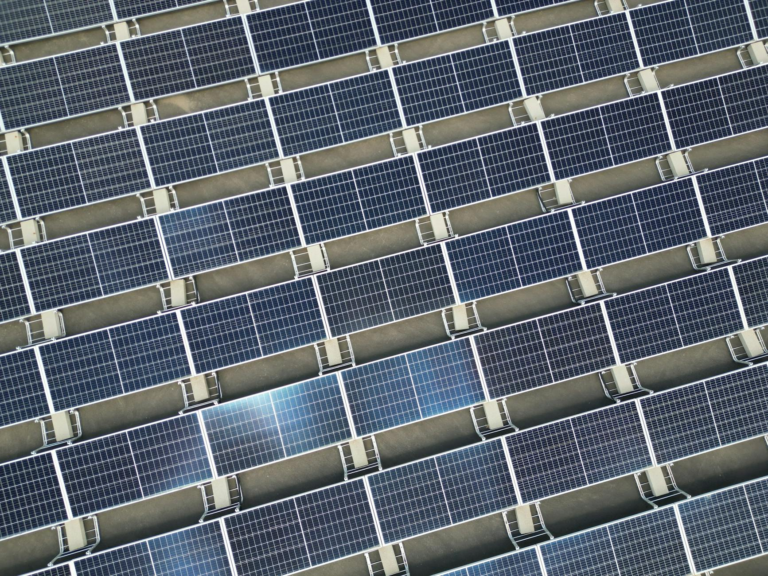
Solar power has become a cornerstone of energy independence for many homeowners across the Florida Panhandle. Yet, installing panels is only the beginning; the real magic happens when those panels work seamlessly with the local utility grid. This process, known as solar grid synchronisation, ensures that the electricity generated by rooftop systems is compatible with the grid’s voltage, frequency, and phase requirements. Without proper synchronisation, a solar array could feed power that is out of step with the grid, leading to inefficiencies, equipment damage, or even safety hazards. In this article, we’ll explore why synchronisation is essential, how it works technically, and what homeowners can do to guarantee smooth operation of their solar investments.
Find us here:
Solar Cost Calculator – Florida Panhandle Only
* Estimate based on $3.25 per watt for solar installation.
* For Tesla Powerwall 3 Batteries, $15,000 for the first battery, $12,000 for each additional battery.
* Other variations and types of Batteries are available.
What Is Solar Grid Synchronisation?
At its core, solar grid synchronisation is the process of aligning a photovoltaic (PV) system’s output with the electrical characteristics of the utility grid. When a solar array produces electricity, an inverter converts the DC power into AC power that matches the grid’s standard frequency—typically 60 hertz in the United States. The inverter also monitors voltage levels and the phase angle of the grid’s waveform. By continuously adjusting its output, the inverter ensures that the solar power can be safely injected into the grid without causing disturbances. This alignment is not a one‑time event; it is an ongoing, real‑time operation that responds to fluctuations in both solar generation and grid conditions.
Why It Matters for Florida Panhandle Homes
The Florida Panhandle experiences a unique blend of high solar irradiance and occasional severe weather. During sunny days, solar panels can generate substantial power, but sudden cloud cover or storms can cause rapid changes in output. Without robust solar grid synchronisation, these fluctuations could lead to voltage spikes or frequency deviations that stress both the home’s electrical system and the broader utility network. Moreover, the region’s utility companies often implement strict interconnection standards to protect the grid’s stability. Homeowners who understand and prioritize synchronisation are better positioned to meet these standards, avoid costly penalties, and enjoy reliable, uninterrupted power.
Technical Foundations of Grid Synchronisation
The technical backbone of synchronisation lies within the inverter’s control algorithms. Modern inverters are equipped with digital signal processors (DSPs) that constantly sample the grid’s voltage and frequency. These processors compare the sampled data to the inverter’s own output and make micro‑adjustments to keep the two in lockstep. Key parameters include frequency matching, voltage regulation, and phase alignment. Frequency matching ensures that the inverter’s AC waveform cycles at exactly the same rate as the grid. Voltage regulation keeps the output within acceptable limits, typically within ±5% of the grid’s nominal voltage. Phase alignment guarantees that the peaks and troughs of the inverter’s waveform line up with those of the grid, preventing destructive interference.
Frequency Matching and Phase Alignment
Frequency matching is perhaps the most critical aspect of solar grid synchronisation. The utility grid operates at a precise 60 Hz, and any deviation can cause protective relays to trip, disconnecting the solar system. Inverters achieve frequency matching through a technique called Phase-Locked Loop (PLL). The PLL continuously measures the grid’s phase angle and adjusts the inverter’s output to stay synchronized. Simultaneously, the inverter monitors the phase relationship to ensure that its voltage waveforms are in phase with the grid. If the inverter detects a phase shift, it corrects the output within milliseconds, maintaining a seamless flow of power.
Benefits of Proper Synchronisation
When a solar system is correctly synchronised with the grid, homeowners reap a host of advantages that go beyond simple energy production. The most immediate benefit is increased efficiency; power that aligns perfectly with grid parameters is transferred without losses, maximizing the return on investment. Additionally, proper synchronisation enhances safety by preventing reverse power flow that could endanger utility workers during outages. It also extends the lifespan of critical components such as inverters, batteries, and wiring, as they operate within their designed electrical limits. Finally, synchronised systems contribute to overall grid stability, supporting the broader transition toward renewable energy.
- Higher energy conversion efficiency and better net metering credits.
- Reduced risk of inverter shutdowns and protective relay trips.
- Enhanced safety for both occupants and utility personnel.
- Longer equipment lifespan due to stable operating conditions.
- Compliance with utility interconnection standards and local codes.
Safety and Equipment Longevity
Safety is a paramount concern when integrating solar power with the utility grid. Improper synchronisation can cause back‑feeding, where electricity flows from the home to the grid during a utility outage. This situation endangers line workers who might assume the lines are de‑energized. Inverters equipped with anti‑islanding protection automatically shut down when they detect a loss of grid reference, but reliable solar grid synchronisation reduces the likelihood of such events occurring in the first place. Moreover, stable voltage and frequency reduce thermal stress on components, preventing premature wear and failure.
Common Challenges and How to Overcome Them
Even with advanced technology, several challenges can impede effective synchronisation. One frequent issue is voltage fluctuation caused by rapid changes in solar irradiance, especially during passing clouds. Another is harmonic distortion, where the inverter’s output contains frequencies that are multiples of the fundamental 60 Hz, potentially interfering with other equipment. Additionally, improper wiring or undersized conductors can introduce impedance mismatches that disrupt the synchronisation process. Addressing these challenges requires a combination of proper system design, high‑quality components, and regular maintenance.
Inverter Selection and Settings
Choosing the right inverter is a decisive factor in achieving reliable synchronisation. Look for inverters that support the latest IEEE 1547 standards, which outline performance criteria for interconnection. Features such as adaptive voltage ride‑through, dynamic frequency response, and robust PLL algorithms are essential for handling the variable conditions typical of the Panhandle. Once installed, the inverter’s settings must be calibrated to the local grid’s nominal voltage and frequency. Many manufacturers provide auto‑configuring firmware that simplifies this process, but a professional installer should verify the parameters during commissioning.
The Role of Professional Installers
Professional solar installers bring expertise that goes beyond simply mounting panels. They perform detailed site assessments, including load analysis, shading studies, and grid compatibility checks. During the installation, they ensure that all connections meet the National Electrical Code (NEC) and local utility requirements. Crucially, they conduct a synchronisation test—often called a “grid‑tie verification”—to confirm that the inverter locks onto the grid correctly before energizing the system. This step is vital for meeting interconnection agreements and for the long‑term reliability of the solar array.
Maintenance Practices for Ongoing Synchronisation
Even after a successful installation, ongoing maintenance is essential to preserve the integrity of solar grid synchronisation. Routine inspections should verify that all connections remain tight, that the inverter’s firmware is up to date, and that any protective devices—such as surge protectors and disconnect switches—function correctly. Monitoring software can alert homeowners to deviations in voltage or frequency that might indicate a synchronisation issue. Scheduling annual professional check‑ups ensures that any wear or drift in system performance is corrected before it impacts energy production.
| Feature | Grid‑Connected | Off‑Grid |
|---|---|---|
| Synchronisation Requirement | Essential for safe power export | Not applicable |
| Inverter Type | Grid‑tied inverter with PLL | Stand‑alone inverter with battery management |
| Voltage/Frequency Control | Matches utility standards | Self‑regulated |
Future Trends in Solar Grid Synchronisation
The landscape of solar integration is evolving rapidly, driven by advances in power electronics and digital communication. Emerging technologies promise to make synchronisation even more precise and adaptive, reducing the need for manual configuration and enhancing resilience against grid disturbances. As the Florida Panhandle continues to adopt higher penetrations of solar, utilities are also exploring new grid codes that accommodate distributed generation while maintaining stability.
Smart Inverters and AI
Smart inverters equipped with artificial intelligence (AI) algorithms can predict and respond to grid conditions before they become problematic. By analyzing real‑time data from weather forecasts, load profiles, and grid frequency trends, AI‑enabled inverters can pre‑emptively adjust their output, smoothing out fluctuations that would otherwise challenge synchronisation. These intelligent systems also support ancillary services such as voltage support and frequency regulation, allowing residential solar installations to contribute actively to grid stability.
In summary, solar grid synchronisation is not a peripheral concern but a central pillar of successful solar adoption in the Florida Panhandle. It safeguards equipment, maximizes energy harvest, and ensures compliance with utility standards. By selecting quality inverters, partnering with experienced installers, and committing to regular maintenance, homeowners can enjoy a reliable, efficient, and safe solar experience for years to come.
