



Introduction: Why Early‑Morning Solar Output Matters
For homeowners and businesses along the Florida Panhandle, the first hours after sunrise are a golden window for solar energy capture. Panels that begin generating power early can offset peak‑hour electricity demand, reduce reliance on the grid, and improve overall system efficiency. However, the unique micro‑climate of coastal areas—especially the frequent fog that rolls in off the Gulf of Mexico—can dramatically alter that early‑day performance. Understanding the fog solar production impact is essential for anyone looking to maximize return on investment for rooftop or ground‑mounted arrays in places like Navarre Beach and Destin.
Find us here:
Solar Cost Calculator – Florida Panhandle Only
* Estimate based on $3.25 per watt for solar installation.
* For Tesla Powerwall 3 Batteries, $15,000 for the first battery, $12,000 for each additional battery.
* Other variations and types of Batteries are available.
What Is Coastal Fog and How Does It Form?
Coastal fog is a low‑lying cloud that forms when warm, moist air moves over cooler ocean waters. In the Gulf Coast region, sea breezes often bring humid air inland during the night and early morning. As this air contacts the relatively cool surface of the Gulf, water vapor condenses into tiny droplets, creating a dense, moisture‑laden layer that hugs the shoreline. The fog can linger for several hours, especially during the cooler months when temperature differentials are greatest. Because the droplets are suspended close to the ground, they scatter and absorb sunlight, reducing the amount of direct solar radiation that reaches photovoltaic (PV) panels.
How Fog Alters Solar Irradiance
Solar irradiance is the power per unit area received from the Sun in the form of electromagnetic radiation. In clear‑sky conditions, panels can receive up to 1,000 watts per square meter at peak sun. Fog, however, introduces two primary optical effects: scattering and absorption. The multitude of water droplets in fog act like miniature prisms, redirecting sunlight away from the panel surface (scattering) and converting some of that light into heat (absorption). The result is a measurable drop in the irradiance that reaches the PV cells. Studies conducted in similar coastal environments have shown that dense fog can cut solar input by anywhere from 20 % to 60 % compared with clear conditions, directly influencing the fog solar production impact on early‑day generation.
Early‑Morning Solar Production Mechanics
Solar panels generate electricity through the photovoltaic effect, which depends on the intensity and spectrum of incoming light. In the early morning, the Sun’s angle is low, meaning sunlight travels through more atmosphere before reaching the panels. This naturally reduces the intensity compared with midday. When fog is present, the already limited light is further attenuated, compounding the reduction in power output. The combination of low solar elevation and fog scattering can cause the first two to three hours after sunrise to produce as little as a third of the energy that would be generated under clear skies. This is a key component of the fog solar production impact that installers and system designers must account for.
Case Study: Navarre Beach and Destin
Navarre Beach and Destin are two of the most popular coastal destinations in the Gulf of Mexico, known for their white‑sand beaches and vibrant tourism economies. Both locations experience frequent morning fog, especially during the summer’s “sea‑breeze” season and the winter months when cold fronts move inland. Local solar installers report that arrays installed within a half‑mile of the shoreline often see a noticeable dip in early‑day output on foggy mornings. In contrast, installations located further inland—beyond the typical fog line—tend to match their predicted performance more closely. This geographic variance underscores the practical fog solar production impact on real‑world projects in the area.
Measuring the Fog Solar Production Impact
Quantifying how much fog reduces solar generation requires a combination of on‑site data logging and atmospheric monitoring. Modern inverters can record power output at five‑minute intervals, while weather stations capture visibility, relative humidity, and temperature. By correlating periods of low visibility (a proxy for fog density) with dips in inverter output, analysts can estimate the fog solar production impact with reasonable accuracy. The following table presents a simplified example of typical fog density categories and their associated average power loss percentages for a standard 5 kW residential system.
| Fog Density (Visibility) | Average Power Loss |
|---|---|
| Clear ( >10 km ) | 0 % |
| Light Fog (5–10 km) | 10–15 % |
| Moderate Fog (1–5 km) | 20–35 % |
| Dense Fog (<1 km) | 40–60 % |
These figures are averages; actual losses can vary based on panel tilt, orientation, and the specific spectral characteristics of the fog. Nonetheless, the table provides a clear illustration of how fog can erode early‑morning generation and why the fog solar production impact cannot be ignored in performance modeling.
Design Strategies to Mitigate Fog Effects
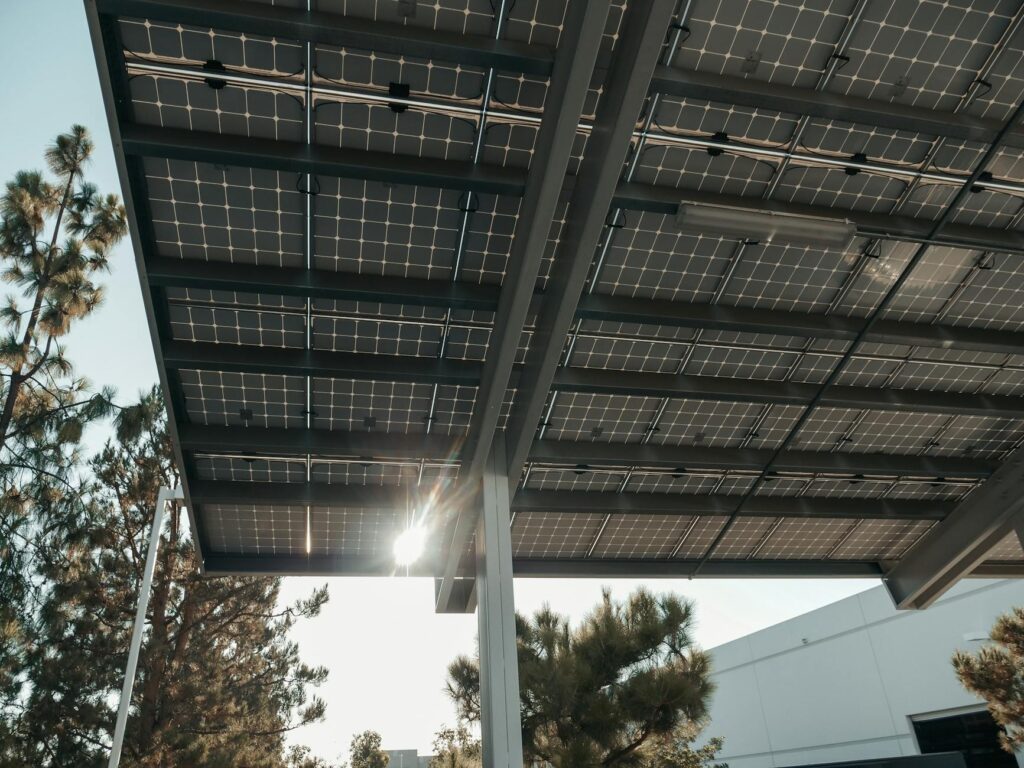
Several design choices can help reduce the fog solar production impact for installations near the coast. First, increasing the tilt angle of panels can lift them above the densest part of the fog layer, allowing more direct sunlight to reach the cells. Second, opting for bifacial modules—panels that capture light on both front and rear surfaces—can harvest reflected and diffused light that penetrates the fog. Third, incorporating micro‑inverters or power optimizers enables each panel to operate at its own maximum power point, mitigating the overall system loss caused by localized shading from fog. Finally, selecting high‑efficiency cells with better low‑light performance (such as monocrystalline PERC or heterojunction technologies) can improve output during the reduced‑irradiance periods typical of foggy mornings.
Operational Practices for Homeowners
- Monitor local fog forecasts and adjust energy consumption schedules accordingly.
- Use a smart inverter with time‑of‑use (TOU) capabilities to prioritize battery charging during clearer mid‑day hours.
- Consider installing a small wind turbine or micro‑hydro system to complement solar when fog reduces output.
- Maintain panels regularly to prevent additional losses from salt spray or bird droppings, which can compound fog‑related attenuation.
Technology Solutions: Forecasting and Controls
Advances in weather forecasting and IoT integration now allow solar owners to anticipate fog events with greater precision. High‑resolution satellite imagery and local lidar sensors can predict fog density and movement up to several hours in advance. When paired with an energy management system, these forecasts can trigger automated responses—such as shifting loads to battery storage, adjusting inverter voltage settings, or even temporarily curtailing non‑essential loads—to preserve overall system efficiency despite the fog solar production impact.
Policy and Planning Considerations for Communities
Municipal planners in coastal regions like Navarre Beach and Destin are beginning to incorporate fog‑related performance adjustments into net‑metering calculations and renewable portfolio standards. By recognizing the fog solar production impact in incentive structures, utilities can offer higher compensation for solar that performs well under challenging conditions, encouraging the adoption of advanced technologies and design practices that mitigate fog losses. Additionally, community solar projects can be sited strategically away from the densest fog zones, ensuring that collective generation meets projected targets.
Future Outlook: Climate Trends and Solar Resilience
Climate models suggest that coastal fog patterns may shift over the coming decades due to changes in sea surface temperatures and atmospheric circulation. Some projections indicate an increase in fog frequency during the summer months, potentially amplifying the fog solar production impact for coastal PV systems. Conversely, other scenarios forecast a reduction in fog as warmer air holds more moisture, altering the balance between scattering and absorption. Regardless of the direction, investing in resilient solar designs—such as adjustable‑tilt mounts, bifacial panels, and integrated storage—will be crucial for maintaining reliable early‑morning generation in the face of evolving fog dynamics.
Practical Tips for Maximizing Early‑Morning Output
To get the most out of your solar system on foggy mornings, follow these practical steps: (1) Install a sun‑tracking or manually adjustable mounting system to raise panels above typical fog layers; (2) Choose high‑efficiency, low‑light‑optimized modules; (3) Pair your array with a battery that can store excess midday energy for use during fog‑laden dawn; (4) Use a solar monitoring app that flags fog events and suggests load‑shifting actions; and (5) Engage with local solar installers who understand the specific fog solar production impact in Navarre Beach and Destin, ensuring that your system is tailored to the micro‑climate.
Conclusion
Coastal fog is a natural and recurring feature of the Gulf of Mexico shoreline, and its presence can significantly dampen early‑morning solar generation. By recognizing the fog solar production impact, employing thoughtful design choices, leveraging modern forecasting tools, and adopting proactive operational practices, homeowners and businesses in Navarre Beach, Destin, and similar locales can safeguard their solar investments and continue to enjoy clean, reliable energy even when the morning mist rolls in.
