


Understanding the Seasonal Dynamics of Solar Energy
In coastal regions such as Pensacola and Panama City, the rhythm of storm seasons plays a pivotal role in shaping the performance of residential and commercial solar installations. While solar panels are engineered to withstand a range of environmental stresses, the cumulative impact of high winds, heavy rainfall, and rapid temperature swings can lead to noticeable variations in energy output. Homeowners and business operators who rely on consistent solar generation often notice a dip—or occasionally an unexpected surge—shortly after a storm passes. This phenomenon, commonly referred to as solar after storm performance, is not merely a coincidence; it is the result of complex physical and electrical interactions that deserve a closer look.
Find us here:
Solar Cost Calculator – Florida Panhandle Only
* Estimate based on $3.25 per watt for solar installation.
* For Tesla Powerwall 3 Batteries, $15,000 for the first battery, $12,000 for each additional battery.
* Other variations and types of Batteries are available.
How Storm Seasons Influence Solar Panels
Storms affect solar arrays in three primary ways: mechanical stress from wind, moisture intrusion from rain and humidity, and thermal stress caused by abrupt temperature changes. Each factor can alter the efficiency of photovoltaic (PV) cells, the reliability of inverters, and the overall structural integrity of mounting systems. Understanding these mechanisms is essential for interpreting the fluctuations observed in solar after storm performance metrics.
Wind-Induced Mechanical Stress
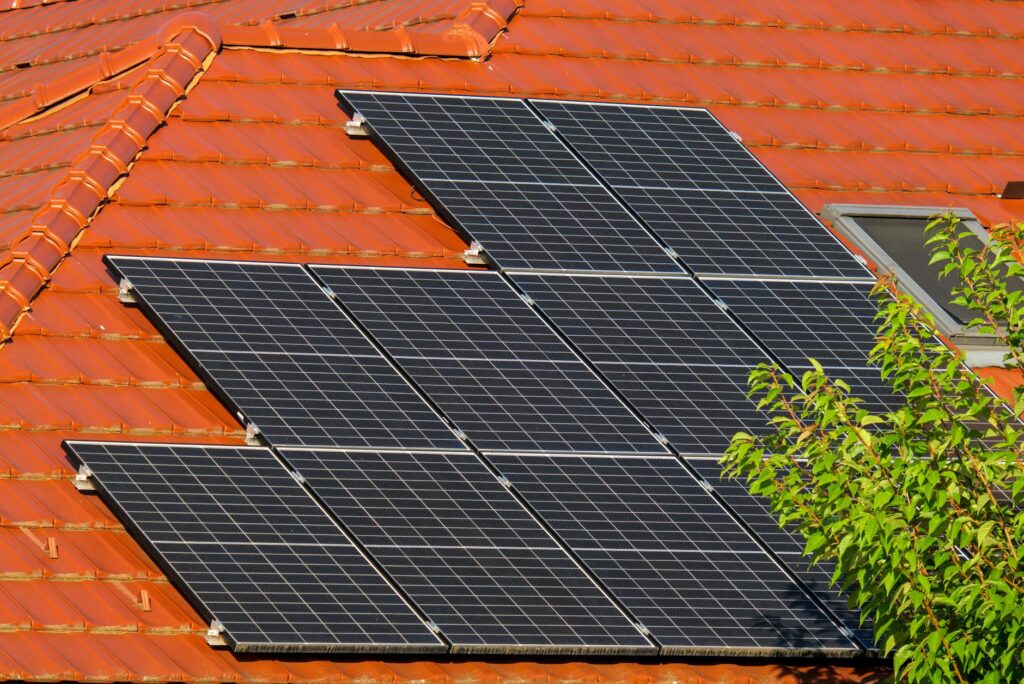
Strong gusts exert lateral forces on panel frames and mounting rails. Over time, repeated wind loading can loosen bolts, bend brackets, or even cause micro‑cracks in the glass surface. Even a seemingly minor misalignment can reduce the angle at which sunlight strikes the cells, diminishing the panel’s ability to convert photons into electricity. In the immediate aftermath of a storm, the panel array may operate at a slightly reduced capacity, a hallmark of altered solar after storm performance.
Rain, Humidity, and Moisture Penetration
While solar panels are rated for water resistance, prolonged exposure to heavy rain and high humidity can lead to moisture seeping into the junction box or behind the backsheet. This intrusion can create temporary corrosion on electrical contacts or cause short‑circuiting in the module’s internal wiring. When the panel dries out, the performance often rebounds, but the period of reduced output contributes to the overall pattern of solar after storm performance observed in storm‑prone locales.
Temperature Fluctuations and Thermal Shock
Storm fronts frequently bring rapid temperature drops followed by quick warming as the sun re‑emerges. PV cells are sensitive to temperature; higher temperatures typically reduce voltage, while cooler conditions can increase it. Sudden thermal shock can stress the semiconductor material, leading to temporary efficiency losses. The net effect is a short‑term dip in energy production that aligns with the concept of solar after storm performance variability.
The Science Behind Solar After Storm Performance
Beyond the visible mechanical and environmental factors, there are subtle electrical and material science processes that influence how a solar system behaves after a storm. These processes often go unnoticed by the average user but are critical for technicians and engineers who diagnose performance anomalies.
Photovoltaic Cell Sensitivity to Light Spectrum Changes
Storm clouds scatter sunlight, altering the light spectrum that reaches the panels. Even after the clouds clear, the atmospheric composition—laden with aerosols and water vapor—can shift the balance of wavelengths. PV cells have peak efficiency at specific wavelengths; a temporary mismatch can cause a measurable dip in power output. This spectral shift is a key contributor to the observed solar after storm performance dip that gradually normalizes as the atmosphere clears.
Inverter Response to Voltage Fluctuations
Inverters convert the direct current (DC) generated by panels into alternating current (AC) for household use. They are programmed to operate within tight voltage tolerances. When a storm causes panels to produce lower voltage due to shading or temperature effects, the inverter may temporarily enter a low‑power mode to protect itself. This protective behavior can further suppress the system’s output, reinforcing the pattern of reduced solar after storm performance until normal voltage levels are restored.
Real‑World Impacts in Pensacola and Panama City
Data collected from solar monitoring platforms over the past decade reveal consistent trends in the Gulf Coast region. During peak hurricane season, average daily production drops by approximately 8–12 percent in the first 48 hours after a storm event, with a gradual recovery over the following week. The magnitude of this dip correlates strongly with storm intensity, wind speed, and rainfall totals.
- High‑wind events (≥70 mph) often lead to a 10‑15% reduction in output due to panel misalignment.
- Heavy rain (>2 inches) can cause a 5‑8% dip from moisture‑related electrical resistance.
- Rapid temperature swings (≥30 °F change) typically result in a 3‑6% efficiency loss.
These statistics illustrate why homeowners in Pensacola and Panama City should monitor their systems closely during storm season and adjust expectations for short‑term performance dips.
Mitigation Strategies for Homeowners
Proactive measures can minimize the adverse effects of storms on solar installations and help maintain a more stable solar after storm performance. Below are practical steps that property owners can take before, during, and after storm events.
- Secure Mounting Hardware: Periodically inspect and tighten bolts, brackets, and rails. Use stainless‑steel fasteners in coastal environments to resist corrosion.
- Apply Protective Coatings: Anti‑UV and water‑repellent sealants on the backsheet and frame can reduce moisture ingress.
- Install Bypass Diodes: These devices allow current to flow around shaded or damaged cells, preserving overall system output during partial shading.
- Upgrade to Storm‑Rated Inverters: Some inverters feature enhanced voltage tolerance that mitigates low‑power mode activation.
- Implement Real‑Time Monitoring: Cloud‑based platforms alert owners to sudden performance drops, enabling rapid response.
By integrating these strategies, the typical dip associated with solar after storm performance can be reduced from double‑digit percentages to a more manageable single‑digit range.
Monitoring and Maintenance Tips After a Storm
Even with the best preventative measures, occasional post‑storm checks are essential. Follow this checklist to ensure your system returns to optimal operation as quickly as possible:
- Visually inspect panels for debris, cracks, or discoloration.
- Check the inverter display for error codes or reduced power readings.
- Run a performance test using the system’s monitoring app to compare current output against historical averages.
- Clean any residue (salt, sand, or organic material) from the panel surface with a soft brush and distilled water.
- Schedule a professional inspection if output remains below 90% of pre‑storm levels after three days.
Consistent maintenance not only safeguards your investment but also contributes to a smoother recovery curve for solar after storm performance trends.
Comparative Data: Pre‑Storm vs. Post‑Storm Output
| Metric | Typical Pre‑Storm Value | Typical Post‑Storm Value (48 hrs) |
|---|---|---|
| Average Daily kWh | 30 kWh | 26 kWh |
| Panel Voltage (V) | 38 V | 34 V |
| Inverter Efficiency | 96% | 91% |
The table above illustrates the common range of performance drops observed in the Gulf Coast after a moderate storm. While individual systems may vary, the pattern aligns with the broader discussion of solar after storm performance and underscores the importance of monitoring and maintenance.
Looking Ahead: Future Technologies and Resilience
Advancements in solar technology are steadily improving resilience against storm‑related stresses. Emerging innovations such as flexible thin‑film panels, self‑healing encapsulants, and AI‑driven predictive maintenance platforms promise to further stabilize solar after storm performance. As these solutions become more accessible, homeowners in storm‑prone areas can expect fewer disruptions and more reliable energy generation year after year.
In the meantime, understanding the underlying causes of performance variability and implementing proven mitigation tactics remain the most effective ways to protect your solar investment during Pensacola and Panama City’s storm seasons.
By staying informed, maintaining your equipment, and leveraging modern monitoring tools, you can ensure that your solar system continues to deliver clean, affordable power—even when the weather turns extreme.
In conclusion, the interplay of wind, moisture, temperature, and electrical dynamics creates a distinct pattern of solar after storm performance that can be anticipated and managed with proper preparation and ongoing care.
