



Why Roof Geometry Plays a Bigger Role Than You Think
When homeowners in Pensacola and Tallahassee consider installing solar panels, the conversation often jumps straight to cost, incentives, and energy savings. Yet one critical factor quietly determines the success of a project: the shape of the roof. Complex roof geometry can dramatically influence the amount of sunlight a system receives, the ease of installation, and the overall efficiency of the solar array. In this article we’ll explore how roof geometry solar planning goes beyond simple slope calculations and why every angle, ridge, and dormer matters for maximizing performance and return on investment.
Find us here:
Solar Cost Calculator – Florida Panhandle Only
* Estimate based on $3.25 per watt for solar installation.
* For Tesla Powerwall 3 Batteries, $15,000 for the first battery, $12,000 for each additional battery.
* Other variations and types of Batteries are available.
Understanding Roof Geometry
Roof geometry refers to the three‑dimensional shape of a roof, including its pitch, orientation, and any irregular features such as valleys, hips, or protruding structures. While a single‑slope (shed) roof offers a straightforward mounting surface, many residential roofs in the Gulf Coast region feature multiple planes that intersect at different angles. These variations create pockets of shading, alter the incident angle of sunlight, and affect wind loads on mounting hardware. When planners ignore these nuances, they risk under‑performing systems that fall short of projected energy output.
How Geometry Affects Solar Irradiance
Solar irradiance—the amount of sunlight hitting a surface—is maximized when panels are positioned perpendicular to the sun’s rays. A roof’s pitch and orientation dictate that perpendicular relationship throughout the day and across seasons. For example, a south‑facing roof with a 15° pitch in Tallahassee aligns closely with the sun’s optimal angle during winter, while the same roof in summer may receive excessive heat, reducing efficiency. Conversely, a steeply pitched roof may capture more winter sunlight but suffer from higher wind uplift forces. Accurate roof geometry solar planning takes these seasonal shifts into account, ensuring that the array’s tilt and azimuth are optimized for the specific roof profile.
Regional Considerations: Pensacola & Tallahassee
Pensacola and Tallahassee share a humid subtropical climate, but subtle differences in latitude and prevailing wind patterns influence roof design trends. In Pensacola, many homes feature low‑slope, stucco‑finished roofs to combat the coastal heat, while Tallahassee sees a higher prevalence of steep‑pitch, shingle roofs to shed heavy rain. These regional styles introduce distinct challenges for solar installers. Low‑slope roofs often require ballast systems to avoid penetrating the roof membrane, whereas steep roofs may need additional structural reinforcement to support mounting rails. Understanding the local architectural context is a cornerstone of effective roof geometry solar planning, allowing designers to tailor solutions that respect both aesthetics and performance.
Complex Roof Shapes Common in the Area
- Gable roofs with intersecting ridgelines that create multiple south‑facing planes.
- Hip roofs where all four sides slope down, often resulting in mixed orientations.
- Butterfly roofs that channel water to a central valley, producing steep angles on either side.
- Dormers and skylights that introduce shadows and reduce usable mounting area.
- Wrap‑around porches and overhangs that cast seasonal shading on panels.
Impact on System Design
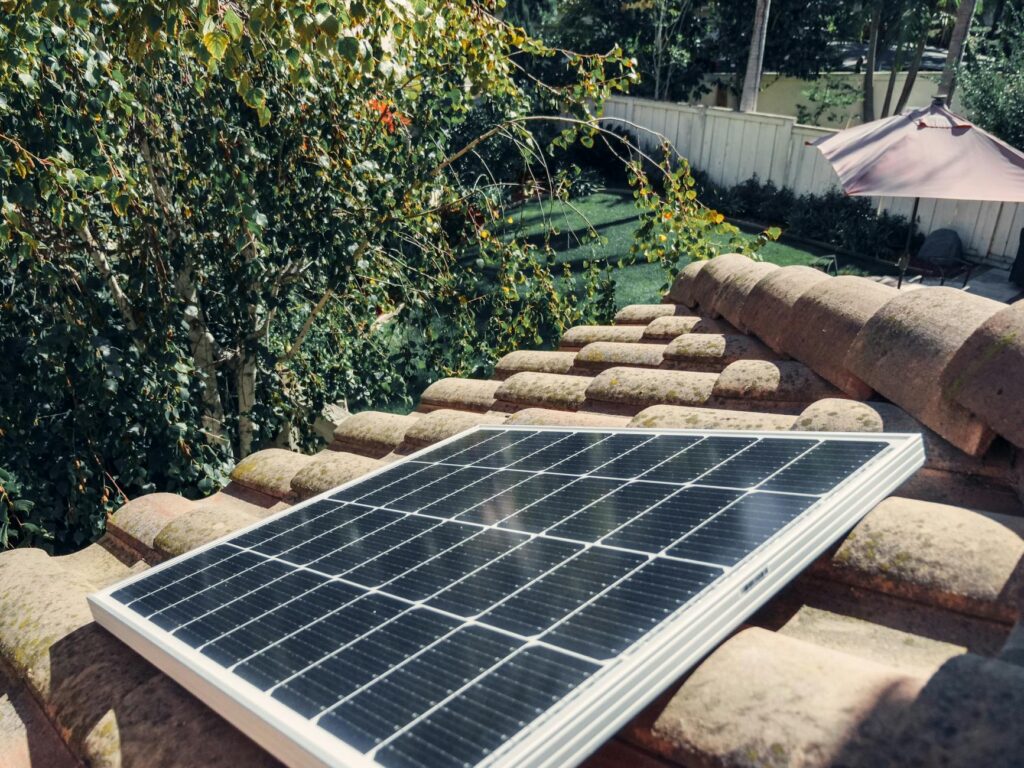
The geometry of a roof directly influences the layout of solar modules, the type of mounting hardware required, and the electrical design of the system. On a simple single‑plane roof, panels can be arranged in long, uninterrupted strings, minimizing wiring losses and simplifying inverter sizing. However, on a multi‑plane roof, each plane may need its own micro‑inverter or power optimizer to handle differing shading patterns and voltage levels. Moreover, complex geometry often necessitates custom racking solutions—adjustable tilt brackets, flexible rails, and even hybrid ballast‑penetrating systems—to accommodate varying slopes while maintaining code‑compliant wind resistance.
Shading and Self‑Shading
Even small architectural features can cast shadows that reduce a panel’s output by up to 30 % during peak sun hours. Self‑shading occurs when one section of the roof blocks sunlight from another, a common issue on multi‑plane roofs with overhangs or adjacent dormers. Roof geometry solar planning includes detailed shade analysis using tools like 3‑D modeling and solar path charts to predict the exact times and durations of shading throughout the year. By identifying these problem areas early, designers can reposition modules, select higher‑efficiency cells, or incorporate bypass diodes to mitigate losses.
Structural Constraints
Beyond sunlight, the structural integrity of the roof must support the added weight of solar equipment. Heavy tile or slate roofs, common in historic neighborhoods of Pensacola, may not tolerate the additional load without reinforcement. In Tallahassee, where many homes use lightweight metal roofing, the challenge shifts to ensuring a secure attachment that can withstand high wind events typical of the region’s hurricane season. Accurate assessment of load‑bearing capacity is a vital component of roof geometry solar planning, preventing costly retrofits after installation.
The Role of Accurate Modeling
Modern design software now allows engineers to import a building’s as‑built roof model directly from drone scans or LiDAR data. These high‑resolution models capture every ridge, valley, and protrusion, enabling precise simulations of solar irradiance, shading, and energy yield. By feeding this data into performance calculators, designers can generate realistic production estimates that account for the nuances of roof geometry. This level of detail not only improves the accuracy of financial projections but also helps secure financing and permits, as utilities increasingly demand thorough site assessments.
Tools for Roof Geometry Solar Planning
- Helioscope – integrates 3‑D roof models with detailed performance analytics.
- PVsyst – offers advanced shading analysis for complex roof shapes.
- Google SketchUp with solar plugins – provides quick visualizations for client presentations.
- Drone‑based photogrammetry – captures precise roof contours for custom racking designs.
| Roof Type | Typical Pitch | Key Solar Consideration |
|---|---|---|
| Gable | 4:12 – 12:12 | Multiple south‑facing planes; may need split strings. |
| Hip | 6:12 – 10:12 | Uniform wind resistance; mixed orientations require optimizers. |
| Butterfly | 8:12 – 14:12 | Steep angles; higher potential for self‑shading. |
Best Practices for Installers
To harness the full potential of roof geometry solar planning, installers should follow a disciplined workflow: start with a comprehensive site survey that includes high‑resolution imaging; import the data into a solar design platform that supports 3‑D modeling; conduct a detailed shade analysis for each roof plane; select mounting hardware that matches the pitch and material; and finally, validate the design against local building codes and wind load requirements. Communication with homeowners about the impact of roof shape on performance can also set realistic expectations and improve satisfaction.
Conclusion
Roof geometry solar planning is far more than a technical footnote—it is the foundation upon which efficient, durable, and cost‑effective solar installations are built. By recognizing the influence of complex roof shapes in Pensacola and Tallahassee, designers and installers can create systems that truly capture the sun’s power, delivering reliable energy for years to come.
