

Understanding the Role of Solar Encapsulation Materials
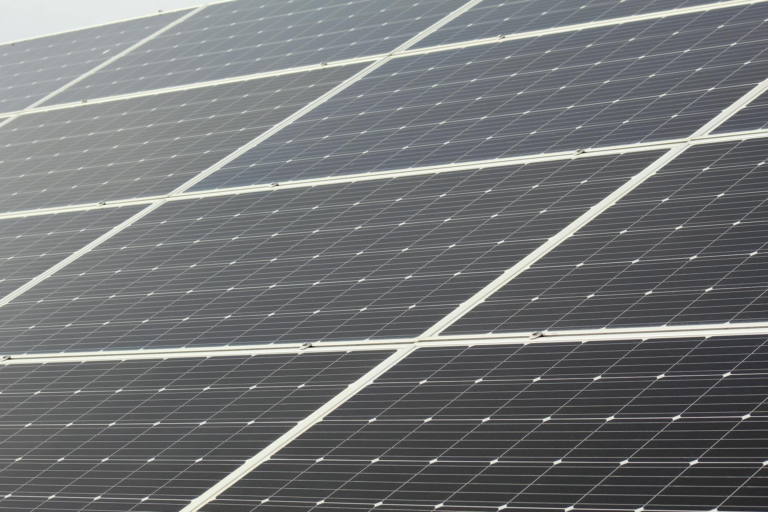
When a solar array is installed on a roof or a ground‑mounted racking system, the panels are exposed to a relentless barrage of environmental stressors. Sunlight, temperature fluctuations, humidity, salt‑laden breezes, and even bird droppings can degrade the delicate layers inside a photovoltaic (PV) module. The invisible shield that protects the active cells and the wiring is known as the encapsulation system. In the context of the Florida Panhandle—where destinations such as Destin and Navarre Beach experience high humidity, frequent rain, and salty sea air—choosing the right solar encapsulation materials is not just a technical preference; it is a strategic decision that can determine the lifespan and efficiency of a solar investment.
Find us here:
Solar Cost Calculator – Florida Panhandle Only
* Estimate based on $3.25 per watt for solar installation.
* For Tesla Powerwall 3 Batteries, $15,000 for the first battery, $12,000 for each additional battery.
* Other variations and types of Batteries are available.
What Are Solar Encapsulation Materials?
Solar encapsulation materials are polymeric films that bond the glass front sheet to the photovoltaic cells and the back sheet, creating a sealed envelope. The most common types are ethylene‑vinyl acetate (EVA), polyolefin elastomer (POE), and thermoplastic polyolefin (TPO). Each material has distinct chemical properties that affect how it reacts to ultraviolet (UV) radiation, moisture ingress, and mechanical stress. The encapsulant must be optically clear to allow maximum light transmission while also possessing sufficient elasticity to accommodate thermal expansion and contraction without cracking. In coastal regions, the encapsulant’s resistance to salt corrosion and humidity penetration becomes a critical performance metric.
Why Encapsulation Matters in Coastal Florida
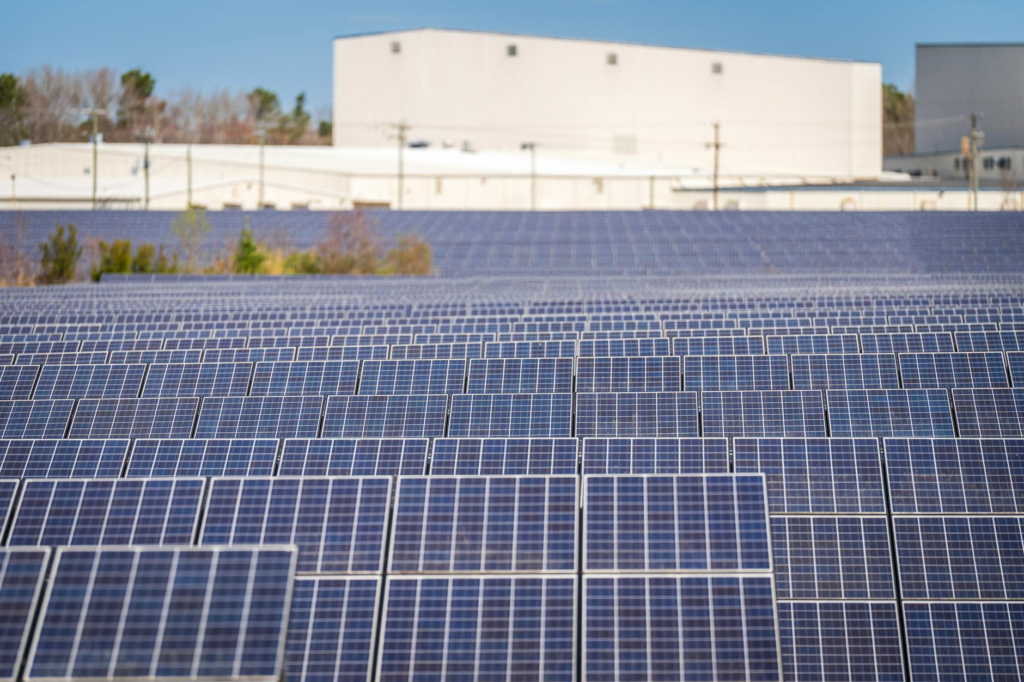
The Florida Panhandle is notorious for its high relative humidity, often exceeding 80 % during summer months. Combine that with sea spray that deposits microscopic salt particles on every surface, and you have a harsh environment that can accelerate delamination and corrosion inside a solar panel. When moisture finds its way behind the front glass, it can cause electrochemical reactions that degrade the semiconductor material and the interconnect ribbons. Salt, on the other hand, is hygroscopic; it attracts water, creating a localized wet environment that speeds up chemical breakdown. Effective solar encapsulation materials act as a barrier, preventing both water and salt from reaching the vulnerable internal components.
Key Performance Factors of Solar Encapsulation Materials
When evaluating encapsulants for a project in Destin or Navarre Beach, several performance factors should be weighed:
- Moisture Vapor Transmission Rate (MVTR): Lower MVTR values indicate better resistance to water vapor permeation.
- UV Stabilization: Additives that absorb or block UV photons protect the polymer matrix from photodegradation.
- Thermal Cycling Tolerance: The ability to expand and contract repeatedly without cracking.
- Salt Spray Resistance: Tested according to ASTM B117 to ensure the material can withstand marine exposure.
- Adhesion Strength: Strong bonding to both the glass and the back sheet prevents delamination under wind load.
Each of these criteria directly influences the durability of the photovoltaic system. For instance, an encapsulant with a high MVTR may allow humidity to accumulate inside the module, leading to “potential induced degradation” (PID) that reduces power output over time. Similarly, insufficient UV stabilization can cause yellowing of the polymer, which reduces light transmission and thus the overall efficiency of the panel.
Comparing the Most Common Encapsulation Materials
| Material | Durability (Years) | Moisture Resistance | Salt Spray Performance |
|---|---|---|---|
| EVA | 20‑25 | Moderate | Good with proper additives |
| POE | 25‑30 | High | Excellent |
| TPO | 30‑35 | Very High | Outstanding |
The table above provides a snapshot of how EVA, POE, and TPO perform under the conditions typical of the Gulf Coast. While EVA has been the industry standard for decades, newer formulations of POE and TPO have demonstrated superior resistance to moisture and salt—attributes that are especially valuable for installations near the Atlantic shoreline.
Installation Best Practices for Maximizing Encapsulation Effectiveness
Even the most advanced solar encapsulation materials can be compromised if the installation process does not adhere to strict quality standards. Technicians should ensure that the lamination temperature and pressure are precisely controlled, as under‑curing can leave voids that become pathways for water ingress. Additionally, the clean‑room environment used during module assembly must be free of dust and contaminants that could interfere with the bond between the encapsulant and the glass. In the field, proper sealing of the module’s edge and the use of UV‑stable edge seals are essential to maintain the integrity of the encapsulation over the life of the system.
Maintenance Strategies to Preserve Encapsulation Integrity
Routine maintenance does not involve opening the sealed module, but it does include visual inspections for signs of delamination, discoloration, or corrosion at the frame. Cleaning the panel surface with a mild, non‑abrasive solution helps remove salt deposits that could otherwise migrate to the edges. For coastal installations, many owners opt for periodic “salt‑wash” inspections—where a technician checks for salt accumulation on the frame and clears it before it can seep into any microscopic gaps.
Choosing the Right Supplier for Solar Encapsulation Materials
Not all manufacturers produce encapsulants with the same level of marine‑grade performance. When sourcing solar encapsulation materials for a project in Destin, it is advisable to request data sheets that include ASTM B117 salt‑spray test results, as well as long‑term field studies conducted in humid, salty environments. Suppliers that offer third‑party certifications—such as IEC 61730 or UL 1703 compliance—provide an additional layer of assurance that the encapsulant meets rigorous safety and durability standards.
Economic Impact of High‑Quality Encapsulation
The upfront cost difference between a standard EVA encapsulated panel and a premium POE or TPO panel can be a few dollars per watt. However, when projected over a 25‑year lifespan, the superior moisture and salt resistance of advanced solar encapsulation materials can translate into lower degradation rates, higher energy yield, and reduced warranty claims. In regions where the climate accelerates wear, the return on investment (ROI) for panels with robust encapsulation can improve by 5‑10 % compared with conventional options.
Frequently Asked Questions About Solar Encapsulation Materials
Q: Can I retrofit existing panels with better encapsulation?
A: Retrofitting is generally not feasible because the encapsulant is laminated between the glass and the cells. Replacement of the entire module is the recommended approach.
Q: How does temperature affect encapsulation performance?
A: High temperatures can accelerate polymer aging, while low temperatures increase brittleness. High‑quality solar encapsulation materials are engineered to maintain flexibility across a wide temperature range, reducing the risk of cracking under thermal cycling.
Q: Are there any visual signs that encapsulation has failed?
A: Yellowing, hazy spots, or bubbling on the front glass can indicate encapsulant degradation. In coastal settings, white salt crusts around the frame may also be a warning sign of edge seal failure.
Conclusion
For solar installations in the humid, salt‑laden environment of the Florida Panhandle, the choice of solar encapsulation materials is a decisive factor in achieving long‑term reliability and optimal performance. By selecting encapsulants with proven moisture resistance, UV stability, and salt‑spray durability—such as POE or TPO—property owners can protect their investment against the unique challenges of coastal weather. Proper installation, diligent maintenance, and partnering with reputable suppliers further ensure that the protective barrier remains intact, allowing the photovoltaic system to deliver clean energy for decades to come.
