



Why Predictive Maintenance Is the Future of Solar Ownership
Solar power has become a cornerstone of energy independence for many homeowners in the Florida Panhandle. As more families install photovoltaic (PV) panels, the focus is shifting from simply generating electricity to ensuring that those systems operate at peak efficiency for years to come. This shift is driven by the emergence of predictive maintenance solar systems—intelligent solutions that anticipate problems before they cause costly downtime. By leveraging real‑time data, advanced analytics, and remote monitoring, predictive maintenance is redefining what it means to own a solar array, turning it from a set‑and‑forget asset into a continuously optimized, high‑performing investment.
Find us here:
Solar Cost Calculator – Florida Panhandle Only
* Estimate based on $3.25 per watt for solar installation.
* For Tesla Powerwall 3 Batteries, $15,000 for the first battery, $12,000 for each additional battery.
* Other variations and types of Batteries are available.
The Rise of Solar Energy in the Florida Panhandle
The Florida Panhandle enjoys abundant sunshine, low wind speeds, and a growing community of eco‑conscious residents. Over the past decade, residential solar installations have surged by more than 250 %, driven by state incentives, net‑metering policies, and decreasing panel costs. Yet, many homeowners still experience unexpected performance drops due to shading, inverter failures, or panel degradation. Traditional maintenance approaches—reactive repairs after a failure—are no longer sufficient for a market that demands reliability and maximum return on investment.

What Is Predictive Maintenance?
Predictive maintenance is a proactive strategy that uses sensor data, machine learning algorithms, and cloud‑based analytics to forecast equipment issues before they manifest. In the context of solar power, predictive maintenance solar systems continuously monitor key performance indicators such as voltage, current, temperature, and irradiance. When the system detects an anomaly—like a sudden drop in module output or an inverter temperature spike—it alerts the homeowner or service provider, suggesting a targeted inspection or adjustment. This approach contrasts sharply with the old “fix‑it‑when‑it‑breaks” model, delivering higher uptime and longer component lifespans.
How Predictive Maintenance Works for Solar Systems
At the heart of predictive maintenance solar systems is a network of IoT devices embedded in inverters, optimizers, and sometimes even individual panels. These devices transmit data to a central platform where AI models compare real‑time readings against historical baselines and weather forecasts. If the model predicts a deviation beyond a predefined threshold, it triggers an automated workflow: a notification is sent, a service ticket is created, and in some cases, the system can self‑correct by adjusting string configurations or re‑balancing power flow. This seamless loop ensures that potential issues are addressed before they translate into energy loss.
Benefits for Homeowners
- Early detection of panel hot‑spots and shading issues, preserving overall system efficiency.
- Reduced emergency service calls, saving time and money.
- Extended lifespan of inverters and other critical components.
- Data‑driven insights that help homeowners understand performance trends.
- Improved return on investment through consistent energy production.
Cost Savings and Return on Investment
Financially, predictive maintenance solar systems pay for themselves quickly. By preventing a single inverter failure, a homeowner can avoid losing up to 15 % of monthly production—a loss that could amount to several hundred dollars in the Panhandle’s high‑sunlight months. Moreover, early identification of underperforming panels enables targeted cleaning or replacement, which restores output without the need for a full system overhaul. Over a typical 25‑year system lifespan, these incremental savings often exceed the subscription cost of the monitoring service, delivering a clear net‑positive ROI.
Real‑World Example: A Panhandle Home
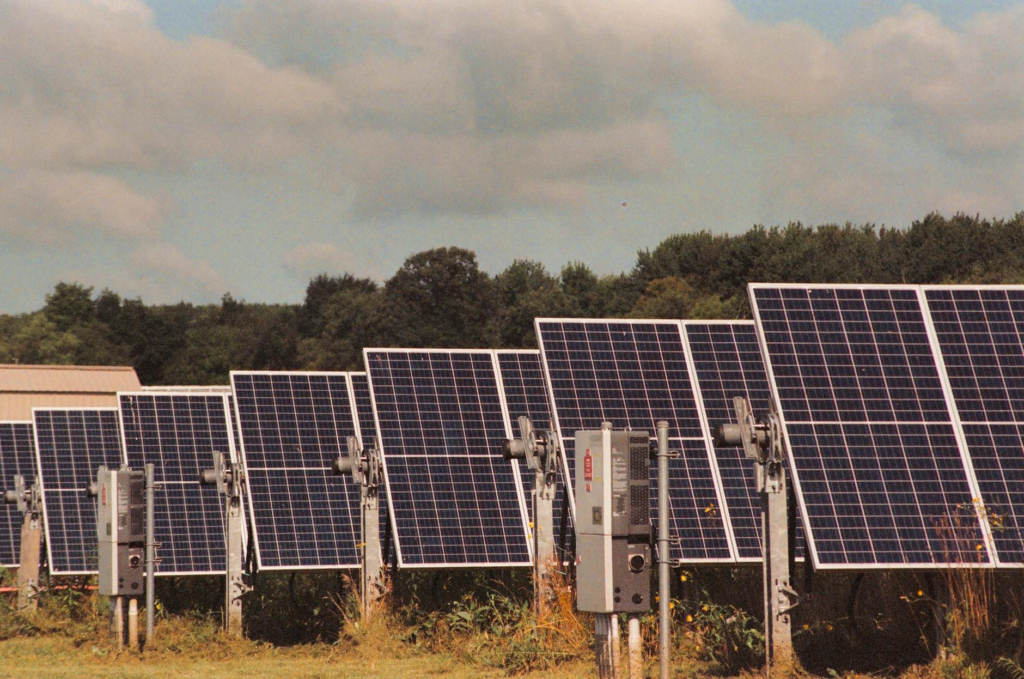
Consider a family in Pensacola that installed a 7 kW solar array in 2020. Six months after installation, their monitoring platform flagged a gradual decline in output on the southwest-facing string. The predictive maintenance solar system identified a growing hot‑spot caused by a nearby tree’s seasonal leaf growth. The homeowner trimmed the branches, and the system automatically recalibrated the string, restoring full performance. Without the predictive alert, the issue would have gone unnoticed for months, resulting in an estimated loss of 2,500 kWh—roughly $300 in avoided electricity costs.
Key Technologies Enabling Predictive Maintenance
- Smart inverters with built‑in telemetry.
- Micro‑optimizers that report per‑module performance.
- Weather stations that integrate irradiance forecasts.
- Cloud‑based AI platforms that process large data sets.
- Mobile apps that deliver real‑time alerts to homeowners.
Implementation Steps for Homeowners
Getting started with predictive maintenance for a solar system is straightforward. First, choose a reputable monitoring provider that offers full‑stack integration with your inverter brand. Next, ensure that all hardware—sensors, data loggers, and any required gateway devices—are installed according to the manufacturer’s guidelines. Once the system is online, configure alert thresholds that match your performance expectations. Finally, schedule regular reviews of the analytics dashboard to stay informed about trends and to act on any recommended maintenance actions promptly.
Common Misconceptions
Some homeowners worry that predictive maintenance solar systems are overly complex or that they require expensive hardware upgrades. In reality, many modern inverters come with built‑in communication capabilities, meaning that the additional cost is often limited to a modest subscription fee. Others believe that predictive maintenance replaces the need for professional inspections entirely. While the technology dramatically reduces the frequency of emergency calls, periodic physical inspections remain best practice to verify system integrity and to address any mechanical concerns.
Future Trends Shaping Solar Maintenance
The next wave of predictive maintenance solar systems will likely incorporate edge‑computing, allowing devices to process data locally and reduce latency. Integration with home energy management systems (HEMS) will enable coordinated control of batteries, EV chargers, and HVAC units, creating a holistic approach to energy efficiency. As machine learning models become more sophisticated, they will predict not only component failures but also optimal cleaning schedules based on local pollen counts and dust levels, further maximizing output.
| Aspect | Traditional Maintenance | Predictive Maintenance |
|---|---|---|
| Approach | Reactive—fix after failure | Proactive—anticipate issues |
| Downtime | Hours to days | Minutes to none |
| Cost | Higher emergency repair fees | Lower ongoing subscription |
| System Lifespan | Average | Extended by 2‑5 years |
Choosing the Right Service Provider
When evaluating providers for predictive maintenance solar systems, look for a company that offers transparent data visualizations, reliable customer support, and a proven track record in the Florida market. Verify that the platform integrates with your specific inverter make and that the pricing model aligns with your budget. Reading case studies from nearby Panhandle installations can also give you confidence that the solution will deliver tangible performance gains in your local climate.
In summary, predictive maintenance is rapidly becoming the gold standard for solar ownership, especially in sun‑rich regions like the Florida Panhandle. By embracing these smart monitoring tools, homeowners can safeguard their investment, enjoy consistent energy production, and reap financial rewards for years to come.
