



Understanding the Rise of Solar in Home Value Perception
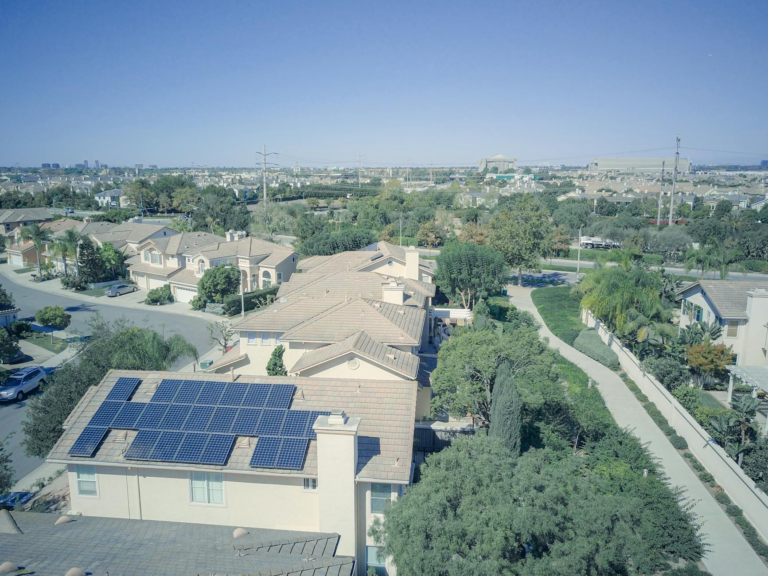
Across the Florida Panhandle, homebuyers are increasingly looking beyond traditional square footage and interior finishes when evaluating a property. One of the most influential factors shaping this shift is the presence of solar photovoltaic (PV) systems. When a potential buyer walks through a home equipped with solar, the perception of value rises instantly. This phenomenon—often described as the solar perceived home value—is reshaping real‑estate dynamics, influencing appraisal practices, and prompting homeowners to consider solar installations as strategic investments rather than optional upgrades.
Find us here:
Solar Cost Calculator – Florida Panhandle Only
* Estimate based on $3.25 per watt for solar installation.
* For Tesla Powerwall 3 Batteries, $15,000 for the first battery, $12,000 for each additional battery.
* Other variations and types of Batteries are available.
Market Trends Driving the Solar Perception Shift
The Florida Panhandle has long been recognized for its abundant sunshine, yet only in the past decade has the region witnessed a surge in residential solar adoption. Several market forces converge to amplify the solar perceived home value. First, utility rates have risen steadily, making energy independence more financially attractive. Second, state‑level incentives—such as tax credits and net‑metering policies—have lowered the upfront cost of solar installations. Finally, a growing demographic of environmentally conscious buyers is actively seeking homes that align with sustainable lifestyles. Real‑estate agents now report that listings featuring solar panels sell faster and often close at higher price points than comparable homes without the technology.
How Solar Directly Influences Home Valuation
Appraisers and lenders have begun to incorporate solar assets into their valuation models. While traditional appraisal methods focused on comparable sales (comps), the presence of a solar system now adds a quantifiable premium. Studies from regional appraisal firms indicate that homes with fully owned solar can command a price increase ranging from 3 % to 7 % over similar properties lacking solar. This uplift reflects the anticipated utility savings, reduced carbon footprint, and the perception that the home is “future‑ready.” In practice, the solar perceived home value is expressed through adjustments in the comparable sales analysis, where appraisers assign a dollar amount to the solar installation based on age, system size, and local energy rates.
Appraisal Adjustments and Methodologies
When an appraiser encounters a solar‑equipped residence, they evaluate several variables: the system’s ownership status (owned vs. leased), its remaining useful life, and the current market value of the generated electricity. If the system is owned outright, the appraiser typically adds a “solar premium” to the overall value, often calculated by estimating the present value of future energy savings. For leased systems, the adjustment may be lower or even negative, reflecting ongoing lease payments that the new homeowner would inherit. These nuanced calculations ensure that the solar perceived home value is reflected accurately in the final appraisal report.
Buyer Psychology and the Solar Advantage
Beyond the numbers, buyer psychology plays a pivotal role in shaping the solar perceived home value. Homebuyers often associate solar panels with modernity, technological savvy, and responsible stewardship of resources. This association creates an emotional premium: a buyer may be willing to pay more simply because the home aligns with their personal values and lifestyle aspirations. Moreover, the promise of lower monthly utility bills reduces the perceived long‑term cost of homeownership, making the property more attractive in the eyes of cost‑conscious purchasers.
Financial Incentives Amplifying Solar’s Value Proposition
State and federal incentives have been instrumental in turning solar from a niche upgrade into a mainstream home feature. The federal Investment Tax Credit (ITC) currently offers a 30 % credit on the cost of solar installations, dramatically reducing the net expense for homeowners. Florida’s Property Tax Exemption ensures that the added value of a solar system does not increase the assessed property tax, preserving the homeowner’s cash flow. Additionally, net‑metering programs allow solar owners to sell excess electricity back to the grid, effectively turning the home into a small power plant.
- Federal Investment Tax Credit (ITC) – 30 % credit on system cost.
- Florida Property Tax Exemption – No increase in assessed value for solar.
- Net‑metering – Credit for excess electricity sent to the grid.
- Local rebates – Municipal programs offering cash rebates or reduced permit fees.
These incentives not only improve the return on investment (ROI) but also enhance the solar perceived home value by signaling to buyers that the system is financially sound and supported by policy. When a buyer sees that a home’s solar installation was purchased with substantial tax credits, they infer a lower overall cost basis and a higher likelihood of continued savings.
Environmental and Lifestyle Benefits That Strengthen Perception
While financial metrics dominate appraisal discussions, the environmental advantages of solar cannot be ignored. Homeowners with solar panels reduce their reliance on fossil‑fuel‑generated electricity, decreasing greenhouse gas emissions and contributing to a cleaner local air quality. For many buyers in the Panhandle, especially those who spend considerable time outdoors, the appeal of a home that supports a sustainable lifestyle resonates deeply. This lifestyle alignment reinforces the solar perceived home value, as the property becomes a tangible expression of the buyer’s eco‑friendly values.
Comparative Data: Solar’s Impact on Sale Prices
Recent analyses of recent home sales in the Florida Panhandle reveal clear patterns. The table below summarizes average sale price differences between homes with owned solar systems and those without, segmented by property size and location. The data illustrate how the solar perceived home value translates into concrete market outcomes.
| Property Size (sq ft) | Average Price Increase with Solar |
|---|---|
| 1,200 – 1,500 | $12,000 – $18,000 (4 % – 5 %) |
| 1,500 – 2,000 | $18,000 – $25,000 (5 % – 6 %) |
| 2,000 + | $25,000 – $35,000 (6 % – 7 %) |
The upward trend is consistent across both coastal and inland markets, underscoring that the premium associated with solar is not limited to a specific micro‑market but is a broader regional phenomenon. Homeowners and real‑estate professionals can leverage this data to set realistic listing prices and negotiate more confidently.
Debunking Common Myths About Solar and Home Value
- Myth: Solar always lowers property value because it looks “industrial.”
Fact: Modern, roof‑mounted systems blend seamlessly with architecture and often increase perceived value. - Myth: Leased solar hurts resale chances.
Fact: While owned systems add a clearer premium, many buyers are comfortable assuming lease terms, especially if the lease is transferable. - Myth: Solar only benefits the environment, not the wallet.
Fact: Energy savings, tax credits, and higher resale prices demonstrate tangible financial benefits.
Practical Tips for Homeowners Looking to Boost Their Solar Perceived Home Value
- Invest in high‑efficiency panels and inverters to maximize energy production.
- Maintain proper documentation of all incentives, warranties, and performance data.
- Consider a professional solar appraisal before listing to quantify the premium.
- Highlight solar benefits in marketing materials—emphasize savings, environmental impact, and tax credits.
- Ensure the system is owned outright rather than leased to capture the full value boost.
By following these guidelines, homeowners can ensure that the solar perceived home value is fully realized in the marketplace, turning their investment into a compelling selling point that resonates with today’s buyer.
In conclusion, solar panels have transcended their role as mere energy generators to become powerful symbols of modern, valuable living spaces. In the Florida Panhandle, the convergence of financial incentives, buyer preferences, and proven appraisal adjustments means that the solar perceived home value is set to keep rising. Homeowners who adopt solar now position themselves at the forefront of this trend, while buyers seeking long‑term savings and sustainability are increasingly rewarding those properties with higher offers and quicker sales.
