



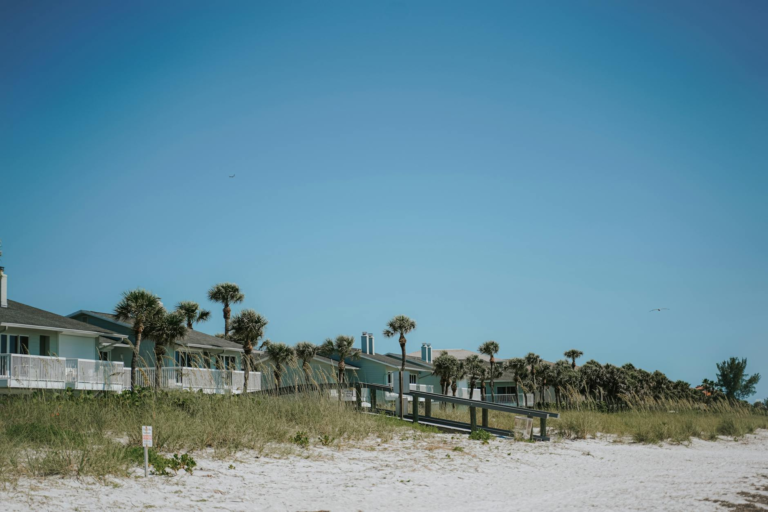
Coastal residents have always sought ways to blend comfort, efficiency, and sustainability into their homes. In recent years, the surge of renewable energy options has turned the spotlight on solar power, especially for those living along the Gulf Coast. The combination of abundant sunshine, progressive state policies, and the unique challenges of coastal environments makes solar a logical choice for modern homeowners. As more families in Destin and Navarre Beach discover the benefits, “solar coastal living florida” has become more than a trend—it’s evolving into a standard feature of seaside properties.
Find us here
Solar Cost Calculator – Florida Panhandle Only
* Estimate based on $3.25 per watt for solar installation.
* For Tesla Powerwall 3 Batteries, $15,000 for the first battery, $12,000 for each additional battery.
* Other variations and types of Batteries are available.
Why Solar Fits the Coastal Lifestyle
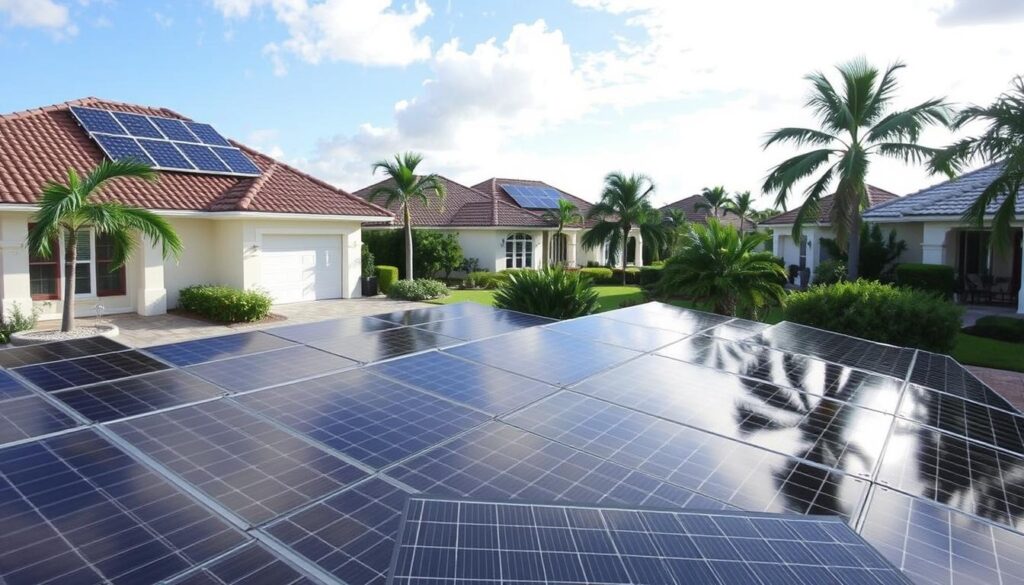
The coastal lifestyle is defined by an appreciation for natural beauty, an active outdoor routine, and a deep connection to the surrounding environment. Solar energy aligns perfectly with these values. First, the Gulf Coast receives an average of 5,500 to 6,000 sunlight hours annually, providing a reliable source of clean power. Second, solar installations can be designed to withstand salt‑air corrosion and high winds, ensuring durability in harsh marine conditions. Finally, the aesthetic of sleek solar panels can complement the modern architectural designs popular in beachfront communities, creating a seamless blend of technology and style.
Economic Advantages for Homeowners
One of the most compelling reasons for adopting solar is the potential for significant cost savings. By generating electricity on-site, homeowners reduce their reliance on the utility grid, leading to lower monthly bills. In Florida, net‑metering policies allow excess power to be fed back into the grid, earning credits that further offset costs. Over a typical 25‑year system lifespan, many families see a return on investment that can exceed 15 percent annually. These savings are especially appealing in coastal areas where property taxes and insurance premiums are already on the rise.
State Incentives and Federal Tax Credits
Florida offers a variety of incentives that make solar installations more affordable. The state’s solar rebate programs, combined with the federal Investment Tax Credit (ITC), which currently stands at 30 percent of the system cost, dramatically lower upfront expenses. Additionally, many local municipalities provide property tax exemptions for solar‑equipped homes, meaning the added value of a solar system does not increase property taxes. When these incentives are layered together, the effective cost of a solar array can drop by nearly half, accelerating the payback period for coastal homeowners.
Environmental Impact and Coastal Resilience
Beyond the financial benefits, solar power contributes to a healthier environment—a priority for those who cherish the ocean and its ecosystems. By offsetting fossil‑fuel electricity, solar reduces greenhouse gas emissions, helping to mitigate sea‑level rise and coastal erosion. Moreover, solar installations can be paired with battery storage systems, providing backup power during storms and hurricanes. This resilience ensures that essential appliances remain operational when the grid is down, offering peace of mind to families who rely on refrigeration for food and medication.
Design Considerations for Coastal Homes
Integrating solar panels into a beachfront property requires thoughtful design to maintain curb appeal. Many manufacturers now offer low‑profile, all‑black panels that blend with roof shingles, minimizing visual impact. For homes with metal or tile roofs, mounting systems can be customized to accommodate different angles and wind‑load requirements. In addition, solar can be incorporated into pergolas, carports, and even floating platforms, turning functional structures into energy‑producing assets without compromising the open, airy feel of coastal living.
Case Study: Destin’s Growing Solar Community
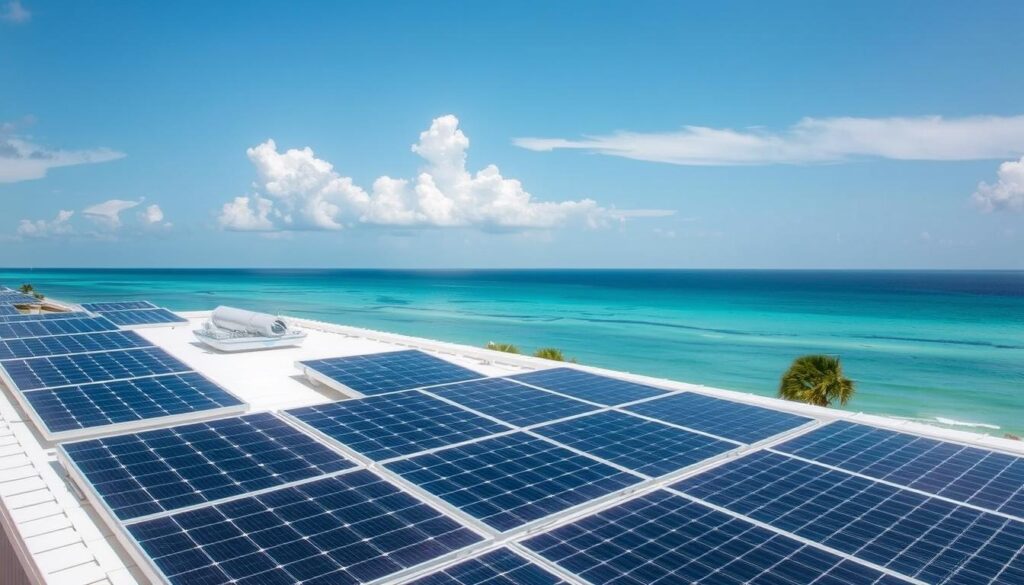
Destin, known for its sugar‑white sands and emerald waters, has seen a rapid increase in residential solar installations over the past five years. A recent survey revealed that 42 percent of new homes built near the shoreline include solar panels as a standard feature. Homeowners report average annual electricity savings of $1,800 and a noticeable increase in property value. Local builders have begun marketing “solar‑ready” floor plans, emphasizing the ease of adding a system during construction and the long‑term benefits of solar coastal living florida.
Case Study: Navarre Beach’s Renewable Push
Just west of Destin, Navarre Beach is emerging as a hub for sustainable development. The city’s planning commission recently approved a set of guidelines encouraging solar integration in both new builds and retrofits. As a result, the number of residential solar projects rose by 58 percent in 2023 alone. Residents cite reduced reliance on the grid during peak summer months, when air‑conditioning demand spikes, as a key advantage. The community’s proactive approach illustrates how “solar coastal living florida” can become a cornerstone of regional planning.
Top Benefits at a Glance
- Significant reduction in electricity bills.
- Eligibility for state rebates and federal tax credits.
- Enhanced property value and market appeal.
- Improved resilience during power outages.
- Positive environmental impact on marine ecosystems.
Comparing Costs: Solar vs. Traditional Energy
| Expense Category | Solar Installation (Average) | Traditional Grid Power (Annual) |
|---|---|---|
| Upfront Cost | $15,000 – $25,000 (after incentives) | N/A |
| Monthly Bill | $0 – $50 (after net‑metering) | $150 – $250 |
| Maintenance | $150 – $300 per year | $0 – $100 per year |
The table above illustrates the stark contrast between the long‑term costs of solar and traditional grid electricity. While the initial investment for a solar system may appear higher, the combination of low operating expenses and generous incentives results in a net financial advantage within 5‑7 years for most coastal households. After this break‑even point, homeowners essentially enjoy free electricity, a compelling argument for anyone considering “solar coastal living florida.”
Financing Options and Community Programs
Financing solar installations has become more accessible than ever. Many banks and credit unions in the Gulf region offer low‑interest solar loans, while specialized solar lenders provide power‑purchase agreements (PPAs) that eliminate upfront costs entirely. In addition, community solar projects allow residents who lack suitable roof space to subscribe to a shared solar farm and receive credits on their utility bills. These flexible options ensure that a wider range of homeowners can participate in the movement toward solar coastal living florida.
Maintenance Tips for Salt‑Air Environments
Coastal conditions demand extra care to keep solar systems operating at peak efficiency. Regular cleaning to remove salt residue and debris is essential, typically every six months. Selecting corrosion‑resistant mounting hardware and ensuring proper sealing around roof penetrations can prevent moisture intrusion. Many installers now offer maintenance contracts that include bi‑annual inspections, which are especially valuable for homes exposed to high humidity and occasional storms.
Future Trends: Solar Integration with Smart Home Technology
The next wave of solar adoption in coastal areas will be driven by smart home integration. Advanced energy management systems can automatically shift loads to solar production periods, optimize battery storage, and even coordinate with electric vehicle (EV) charging stations. For homeowners on the Gulf Coast, this means a fully automated, resilient, and eco‑friendly household that maximizes the benefits of “solar coastal living florida” while reducing manual intervention.
Addressing Common Concerns
Despite the clear advantages, some coastal residents remain hesitant. Common concerns include the fear of damage from hurricanes, the visual impact of panels, and the perceived complexity of installation. Modern solar panels are engineered to meet stringent wind‑load standards, often exceeding 150 mph, and can be installed with reinforced mounting systems. Aesthetic concerns are mitigated by low‑profile designs and optional solar shingles. Finally, reputable installers handle permits, inspections, and utility coordination, simplifying the process for homeowners.
How to Get Started with Solar in Destin and Navarre Beach
For those ready to embark on the journey toward solar coastal living florida, the first step is a free site assessment. This evaluation determines roof suitability, shading analysis, and potential energy production. After the assessment, homeowners receive a detailed proposal outlining system size, cost breakdown, and projected savings. From there, the installer manages the permitting process, schedules installation, and connects the system to the grid. Within a few weeks, the property is equipped with a clean, renewable energy source that enhances both lifestyle and property value.
In summary, the convergence of abundant sunshine, supportive policies, and innovative technology has made solar an essential component of coastal living in Florida. Homeowners in Destin and Navarre Beach are leading the way, demonstrating that renewable energy can coexist with the region’s iconic beachfront charm. By embracing solar, they enjoy lower utility bills, increased resilience, and a tangible contribution to preserving the coastal environment for future generations.
